Don’t Make Me Walk When I Want To Fly!

F/13.0, 1/640, ISO 250.

Red-tailed Hawk

How do trees access the internet?

They log in.

Interesting Fact: Red-tailed Hawks occupy just about every type of open habitat on the continent. This includes desert, scrublands, grasslands, roadsides, fields and pastures, parks, broken woodland, and (in Mexico) tropical rainforest. ( https://www.allaboutbirds.org/guide/Red-tailed_Hawk/lifehistory )

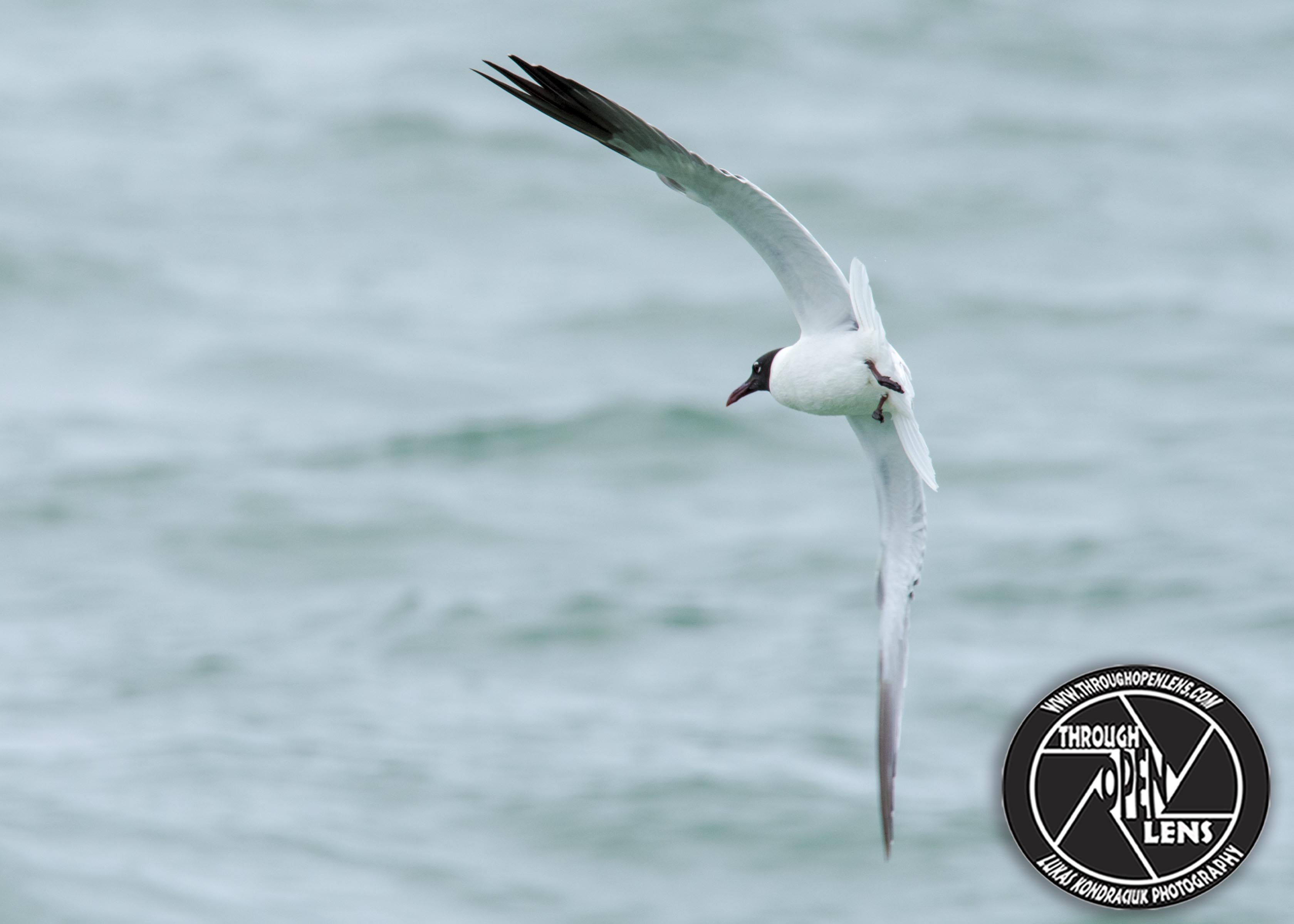
Basic Maneuvers!

F/11.0, 1/500, ISO  320.

Laughing Gull

Why is a river rich?

It has banks on both sides.

Interesting Fact:  The adult Laughing Gull removes the eggshells from the nest after the eggs hatch. If the shells are not removed, a piece can become lodged on top of the slightly smaller unhatched third egg and prevent it from hatching. ( https://www.allaboutbirds.org/guide/Laughing_Gull/lifehistory )

Be Cool Honey Bunny!

F/6.3, 1/160, ISO 250.

Eastern Cottontail Rabbit

What did the salad say when the cabbage interrupted their meal?

Lettuce alone!

Interesting Fact: The cottontail prefers an area where it can hide quickly but be out in the open. Forests, swamps, thickets, bushes, or open areas where shelter is close by are optimal habitation sites for this species.  ( https://en.wikipedia.org/wiki/Eastern_cottontail )

Life Always Offers You A Second Chance. It’s Called Tomorrow.

F/10.0, 1/400, ISO 250.

Tree Swallow

What did one wall say to the other wall?

Meet you at the corner!

Interesting Fact:  Tree Swallows are highly social, forming large migratory and wintering flocks; and pairs often nest close together, particularly where nest boxes are numerous. Agile fliers, Tree Swallows tend to glide more than any other swallow species. They bathe by flying low over the water and skimming their bodies against the surface, then rising quickly while shaking off droplets. ( https://www.allaboutbirds.org/guide/Tree_Swallow/lifehistory )

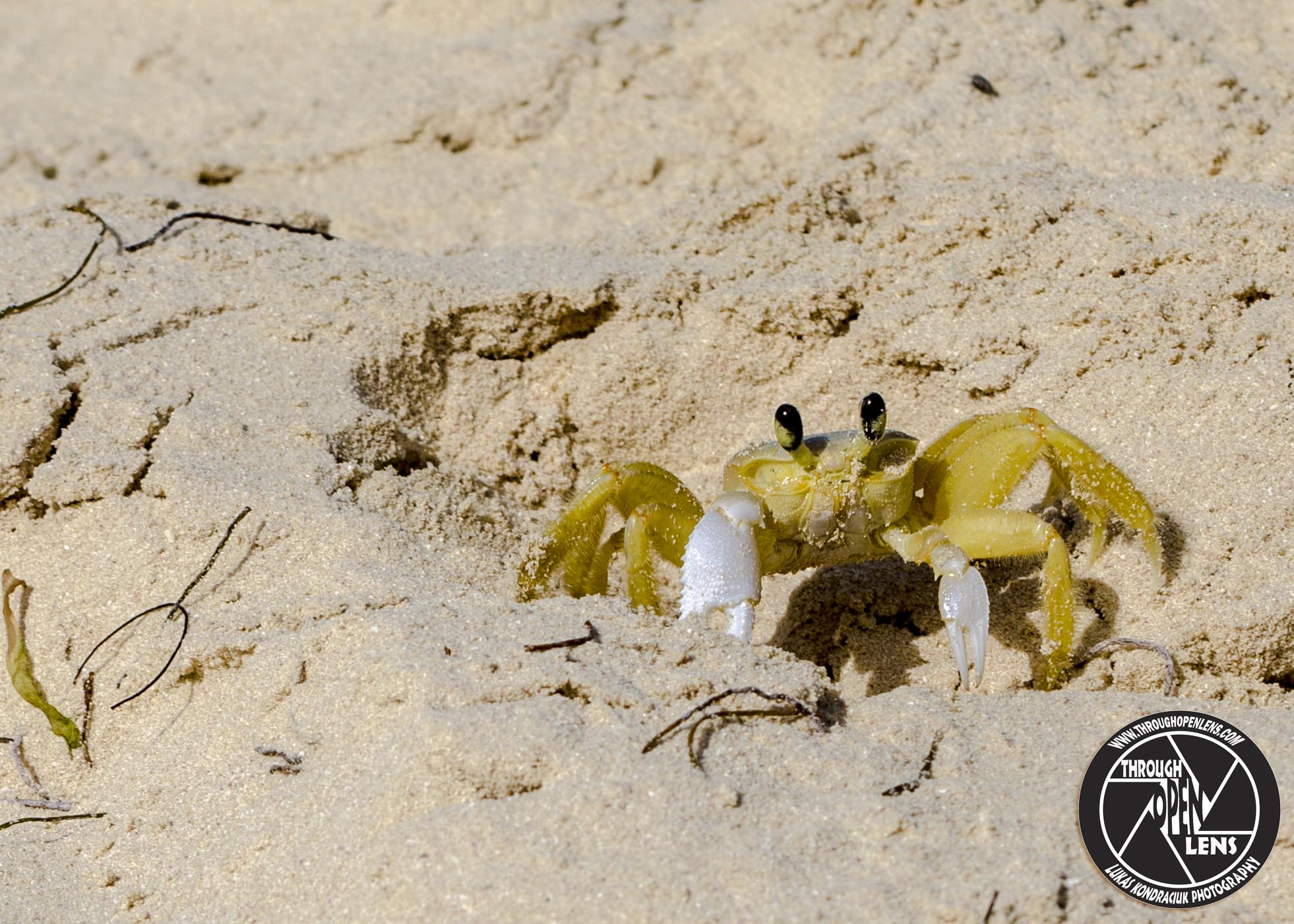
Be Clawsome!

F/8.0, 1/640, ISO 100.

Atlantic Ghost Crab

What’s red and moves up and down?

A tomato in an elevator!

Interesting Fact: The Atlantic ghost crab lives in burrows in sand above the strandline.[2] Older individuals dig their burrows farther from the sea, some starting as much as 400 m (1,300 ft) inland.[4] Burrows can be up to 1.3 m (4 ft 3 in) deep, and can be closed off with sand during hot periods. ( https://en.wikipedia.org/wiki/Atlantic_ghost_crab )

We Bee-Long Together

F/5.6, 1/500, ISO 250.

Bumblebees

What kind of exercise do lazy people do?

Diddly-squats.

Interesting Fact: The bumblebee tongue (the proboscis) is a long, hairy structure that extends from a sheath-like modified maxilla. The primary action of the tongue is lapping, that is, repeated dipping of the tongue into liquid.[29] The tip of the tongue probably acts as a suction cup and during lapping, nectar may be drawn up the proboscis by capillary action. When at rest or flying, the proboscis is kept folded under the head. The longer the tongue, the deeper the bumblebee can probe into a flower and bees probably learn from experience which flower source is best-suited to their tongue length.[30] Bees with shorter proboscides, like Bombus bifarius, have a more difficult time foraging nectar relative to other bumblebees with longer proboscides; to overcome this disadvantage, B. bifarius workers were observed to lick the back of spurs on the nectar duct, which resulted in a small reward. ( https://en.wikipedia.org/wiki/Bumblebee )


Sometimes What You Looking For Comes When You’re Not Looking At All.

F/5.6, 1/2000, ISO 500.

Semipalmated Plover 

How do trees get online?

They just log on!

Interesting Fact: They are migratory and winter in coastal areas of the southern United States, the Caribbean and much of South America. They are extremely rare vagrants to western Europe, and have been found in Tierra del Fuego and the Isles of Scilly.[4] Their true status may be obscured by the difficulty in identifying them from the very similar ringed plover of Eurasia, of which it was formerly considered a subspecies. ( https://en.wikipedia.org/wiki/Semipalmated_plover )


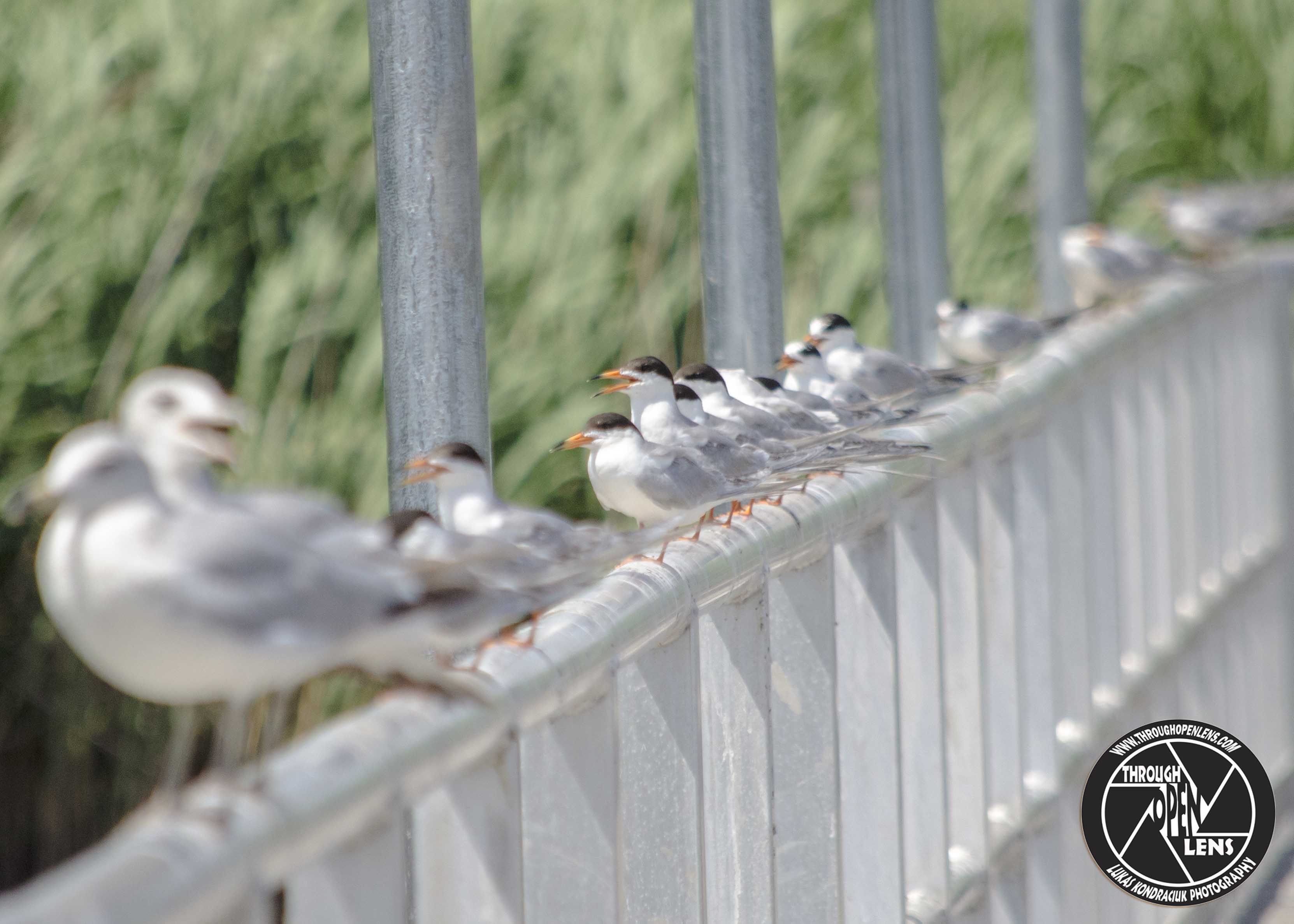
Good Times And Crazy Friends Make The Best Memories.

F/5.6, 1/3200, ISO 1000. d700

Common Terns 

Did you hear the rumor about butter?

Everyone’s spreading it.

Interesting Fact: Common Terns nest in colonies on the ground in areas with loose sand, gravel, shell, or cobble pebbles typically less than 350 feet from the water. They tend to choose areas with scattered, low-growing vegetation to provide cover for chicks. ( https://www.allaboutbirds.org/guide/Common_Tern/lifehistory )


I Wonder If Chickens Do The “People Dance ” At Their Wedding

F/10.0, 1/400, ISO 400.

Chickens

What did the chicken say when it got to the library?

Book book book book book book book…

Interesting Fact: People have been raising chickens for more than 7,000 years. Chickens were first domesticated in Indian and China. You might think of chickens as farm animals, but even people in cities can raise a few chickens in the backyard. Chicken coops don’t take up much room. ( http://easyscienceforkids.com/all-about-chickens/ )

HEY GIRL! NO, I Meant ” HAY GIRL”. That Is Your Job, Right?

F/5.6, 1/200, ISO 100.

HORSE

Which state has the smallest drinks?

Mini-soda.

Interesting Fact: Horses are prey animals with a strong fight-or-flight response. Their first reaction to a threat is to startle and usually flee, although they will stand their ground and defend themselves when flight is impossible or if their young are threatened.[88] They also tend to be curious; when startled, they will often hesitate an instant to ascertain the cause of their fright, and may not always flee from something that they perceive as non-threatening. Most light horse riding breeds were developed for speed, agility, alertness and endurance; natural qualities that extend from their wild ancestors. However, through selective breeding, some breeds of horses are quite docile, particularly certain draft horses. ( https://en.wikipedia.org/wiki/Horse )