If You Can’t Reach It You Don’t Need It!

F/10.0, 1/400, ISO 400.

Pileated Woodpecker

How are a husband and a cat similar when it comes to housework?

They both hide when they see the vacuum cleaner.

Interesting Fact: The feeding excavations of a Pileated Woodpecker are so extensive that they often attract other birds. Other woodpeckers, as well as House Wrens, may come and feed there. ( https://www.allaboutbirds.org/guide/Pileated_Woodpecker )


Don’t Be Afraid To Stick Your Neck Out!

F/9.0, 1/320, ISO 100.

Mute Swan

What did one potato chip say to the other?

Shall we go for a dip?

Interesting Fact: Short legs placed well back on the body give Mute Swans an awkward walking gait, but the birds can run quickly if pursued and can take off from land and water, flying with head and neck extended. On the water they sometimes hold their wings slightly raised and “sail” with the wind. Mute Swans are predominantly monogamous and form long-lasting breeding pairs. They are extremely aggressive in defending their breeding territory. ( https://www.allaboutbirds.org/guide/Mute_Swan/lifehistory )

I Forgot My Swimsuit!

F/5.6, 1/500, ISO 200.

Horned Grebe

What do you get when you’re on you hands and knees?

You get very dirty.

Interesting Fact: A sleeping or resting Horned Grebe puts its neck on its back with its head off to one side and facing forward. It keeps one foot tucked up under a wing and uses the other one to maneuver in the water. Having one foot up under a wing makes it float with one “high” side and one “low” side. (https://www.allaboutbirds.org/guide/Horned_Grebe/overview# ).


Just Like The Seasons, People Have The Ability To Change

F/5.6, 1/125, ISO 280

What did one autumn leaf say to another?

I’m falling for you.

Interesting Fact: Fall is a peak migration time for many species of birds. During autumn, birds will fly to other areas seeking more hospitable climates. The Arctic tern journeys about 11,000 miles each way for its annual migration. That is like going all the way across the United States about three and a half times. ( http://www.richmond.com/life/celebrations/article_aa9e91de-402a-11e4-8c0f-001a4bcf6878.html )

If Things Were Easy To Find, They Wouldn’t Be Worth Finding!

F/10.0, 1/400, ISO 250.

Sandhill Cranes 

What’s the secret to telling a good postman joke?

It’s all in the delivery

Interesting Fact: Sandhill Crane chicks can leave the nest within 8 hours of hatching, and are even capable of swimming. ( https://www.allaboutbirds.org/guide/Sandhill_Crane )

I’m Watching You!

F/11.0, 1/500, ISO 400.

Red-tailed Hawk

What’s the difference between the dinosaur and a dragon?

Dinosaurs are too young to SMOKE!

Interesting Fact: Red-tailed Hawks have been seen hunting as a pair, guarding opposite sides of the same tree to catch tree squirrels. ( https://www.allaboutbirds.org/guide/Red-tailed_Hawk/overview )

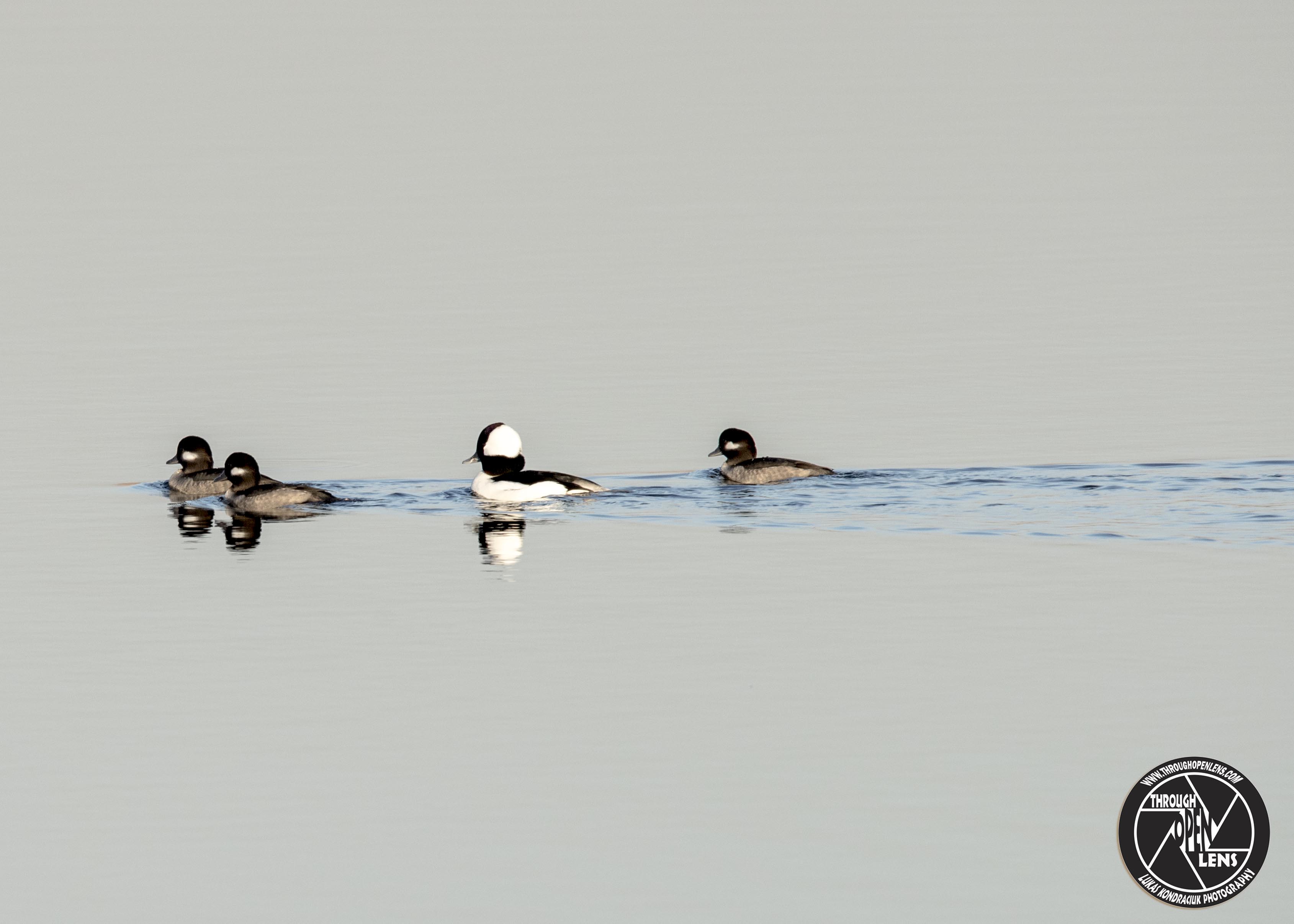
That Is How I Roll!

F/10.0, 1/400, ISO 400.

Bufflehead Ducks

What happened when the lion ate the comedian?

He felt funny!

Interesting Fact: When a pair of Buffleheads intrudes into a nearby territory, the male that owns the territory often chases the intruding female and her mate follows them in hot pursuit. Males leave their mates during incubation in order to molt, but return to the same mate multiple years in a row (one of the few duck species in which this is true). ( https://www.allaboutbirds.org/guide/Bufflehead/lifehistory )


How Is My Posture?

F/6.3, 1/125, ISO 320.

Ruby-crowned Kinglet 

Why did the skeleton go to the BBQ?

To get some spare ribs!

Interesting Fact:  Breeding pairs of Ruby-Crowned Kinglets stay together for two months, until their chicks fledge. Ruby-Crowned Kinglets use their long, bubbly, and amazingly loud songs to establish territories; this is more energy efficient than chasing and less dangerous than fighting. They can be recognized by a constant flicking of their wings. ( https://www.allaboutbirds.org/guide/Ruby-crowned_Kinglet/lifehistory )


The Juice Is Worth The Squeeze!

F/11.0, 1/500, ISO 320.

House Finch

What do you call a fake noodle?

An impasta.

Interesting Fact: A highly social bird, the House Finch is rarely seen alone outside of the breeding season, and may form flocks as large as several hundred birds. House Finches feed mainly on the ground or at feeders or fruiting trees. At rest, they commonly perch on the highest point available in a tree, and flocks often perch on power lines. ( https://www.allaboutbirds.org/guide/House_Finch/lifehistory )

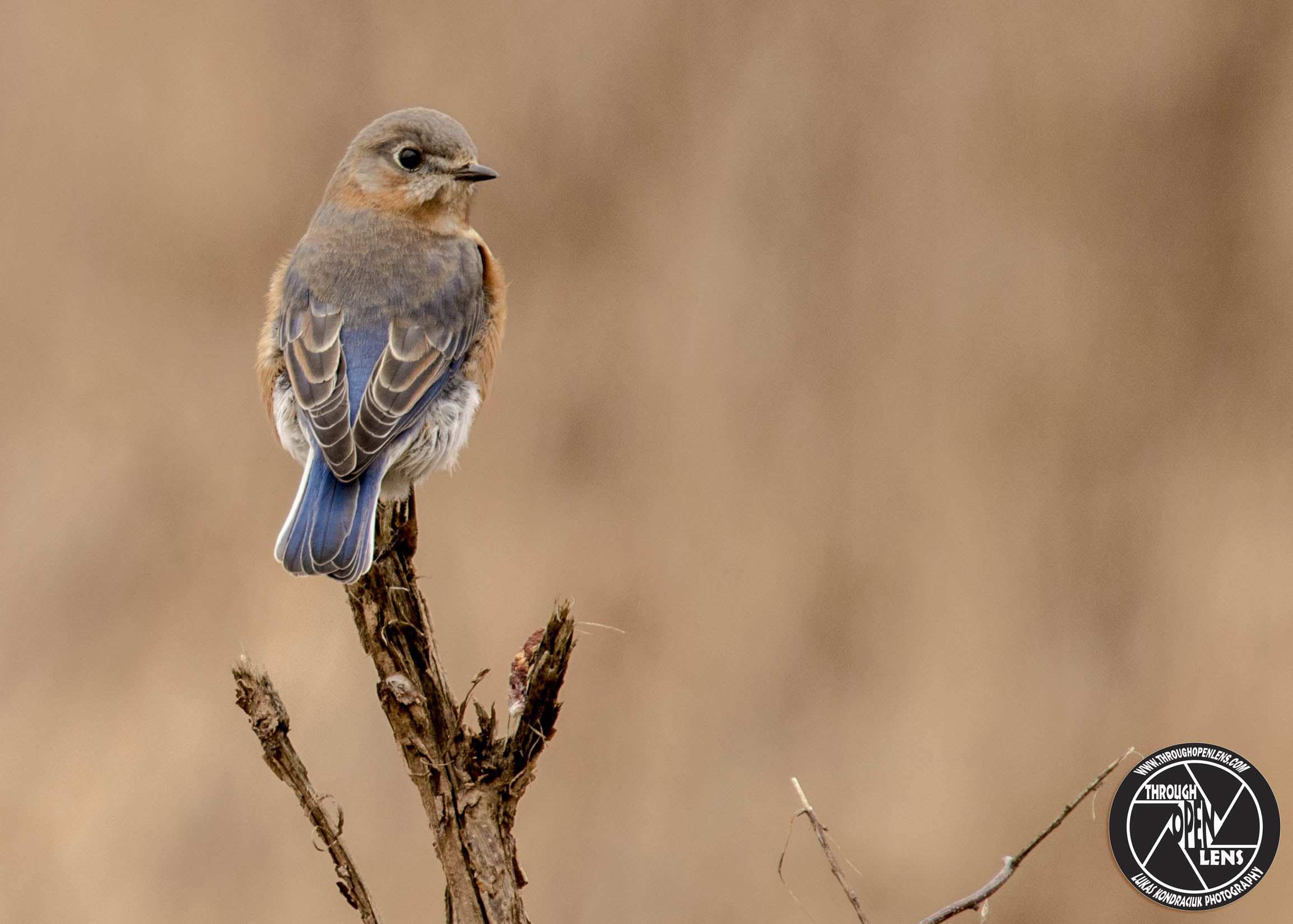
You’re My Boy Blue!

F/7.1, 1/200, ISO 400.

Eastern Bluebird

Why don’t they play poker in the jungle?

Too many cheetahs.

Interesting Fact: This small, brightly colored thrush typically perches on wires and fence posts overlooking open fields. The birds forage by fluttering to the ground to grab an insect, or occasionally by catching an insect in midair. Bluebirds can sight their tiny prey items from 60 feet or more away. They fly fairly low to the ground, and with a fast but irregular pattern to their wingbeats. ( https://www.allaboutbirds.org/guide/Eastern_Bluebird/lifehistory )