Haven’t You Heard That The Bird Is The Word ?!

F/5.6, 1/125, ISO 125.

Anna’s Hummingbird

What did the summer say to the spring?

Help! I’m going to fall.

Interesting Fact: Hummingbirds are very smart and they can remember every flower they have been to, and how long it will take a flower to refill. ( http://www.worldofhummingbirds.com/facts.php )
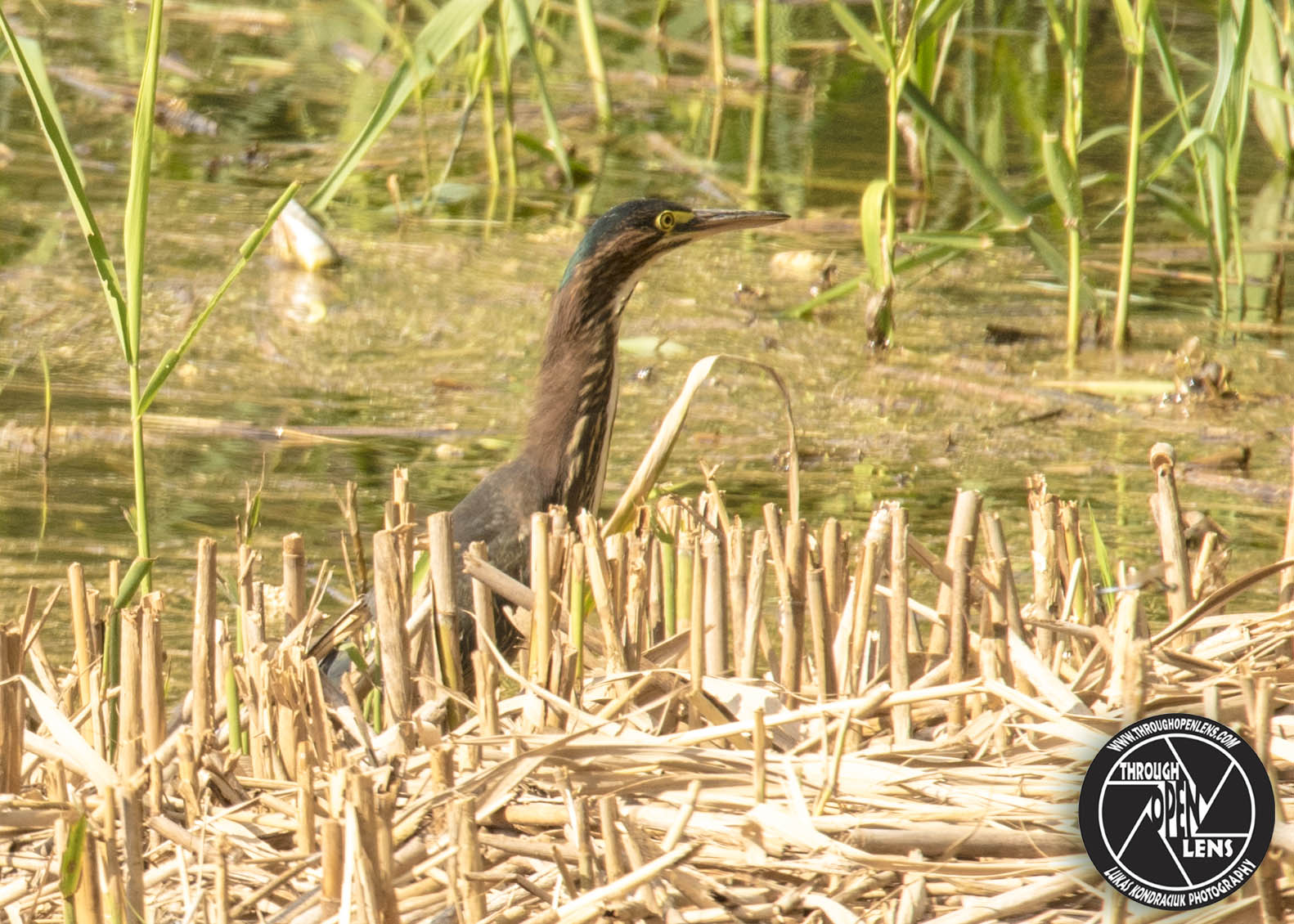
Peek A Boo!

F/9.0, 1/320, ISO 250.

Green Heron

Why are ghosts so bad at lying?

Because you can see right through them!

Interesting Fact: Green Herons usually hunt by wading in shallow water, but occasionally they dive for deep-water prey and need to swim back to shore—probably with help from the webs between their middle and outer toes. One juvenile heron was seen swimming gracefully for more than 60 feet, sitting upright “like a little swan,” according to one observer. ( https://www.allaboutbirds.org/guide/Green_Heron/lifehistory )

You Big Silly Goose!

F/11.0, 1/500, ISO 320.

Brant Goose

How do baseball players stay cool?

They sit next to their fans.

Interesting Fact: An abundant small goose of the ocean shores, the Brant breeds in the high Arctic tundra and winters along both coasts. The Brant along the Atlantic have light gray bellies, while those off the Pacific Coast have black bellies and were at one time considered a separate species.  ( https://www.allaboutbirds.org/guide/Brant/lifehistory )

I Peck You!

F/9.0, 1/200, ISO 160.

Hairy Woodpecker

What did the blanket say to the bed?

Don’t worry, I’ve got you covered!

Interesting Fact: Hairy Woodpeckers sometimes drink sap leaking from wells in the bark made by sapsuckers. They’ve also been seen pecking into sugar cane to drink the sugary juice. ( https://www.allaboutbirds.org/guide/Hairy_Woodpecker/lifehistory )

When you are with the right person, every day is Valentine’s Day!

Happy Valentines Day

F/5.6, 1/1600, ISO 400.

Mute Swan

What’s the best part about Valentines Day?

The day after when all the chocolate goes on sale.

Interesting Fact:  The Mute Swan is reported to mate for life. However, changing of mates does occur infrequently, and swans will remate if their partner dies. If a male loses his mate and pairs with a young female, she joins him on his territory. If he mates with an older female, they go to hers. If a female loses her mate, she remates quickly and usually chooses a younger male.  ( https://www.allaboutbirds.org/guide/Mute_Swan/lifehistory )

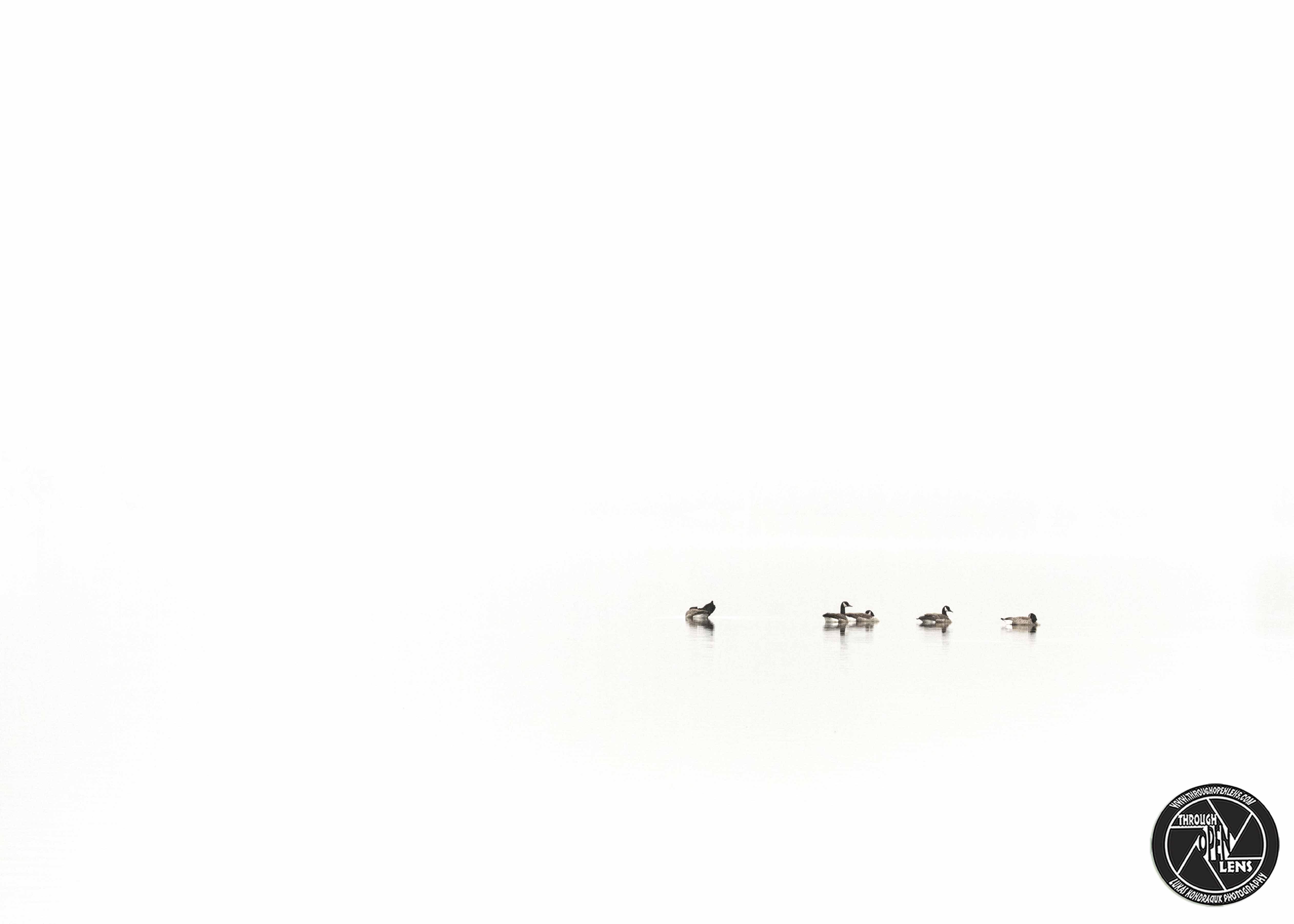
The Fog Always Lifts.

F/9.0, 1/320, ISO 800.

Canada Goose

What do clouds do when they become rich?

A. They make it rain!

Interesting Fact: Nest Placement on the ground, usually on a muskrat mound or other slightly elevated site, near water. They prefer a spot from which they can have a fairly unobstructed view in many directions. Female selects the site and does much of nest construction. She adds down feathers and some body feathers beginning after the second egg is laid. She does all the incubation while her mate guards her and the nest.  ( https://www.allaboutbirds.org/guide/Canada_Goose/lifehistory )

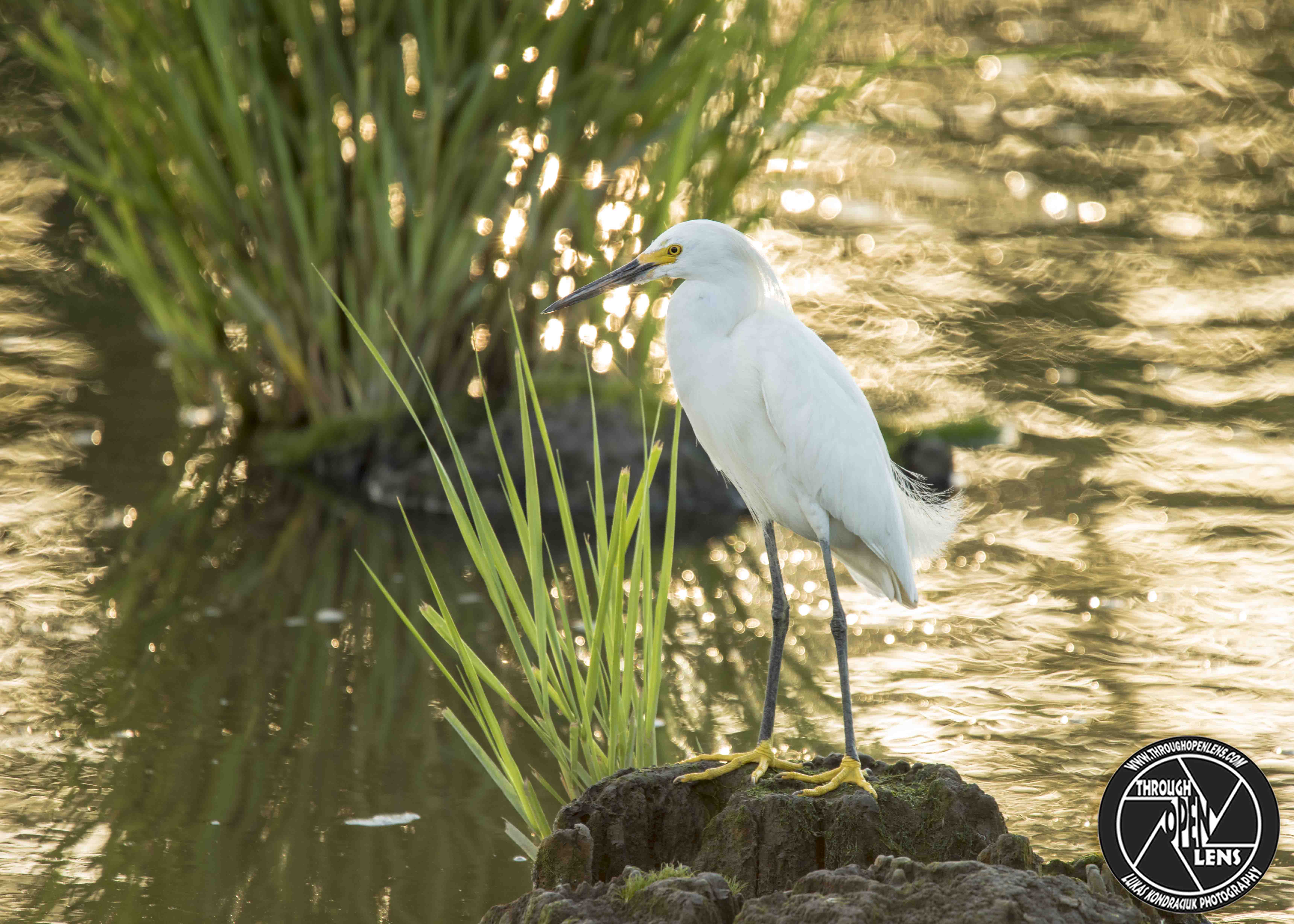
Leave A Little Sparkle Wherever You Go!

F/6.3, 1/160, ISO 250.

Snowy Egret

What does a pig put on its paper cut?

Oinkment!

Interesting Fact: The Snowy Egret eats mostly aquatic animals, including fish, frogs, worms, crustaceans, and insects. It often uses its bright yellow feet to paddle in the water or probe in the mud, rounding up prey before striking with its bill. Snowy Egrets feed while standing, walking, running, or hopping, and they may vibrate their bills, sway their heads, or flick their wings as part of prey gathering. They even forage while hovering. ( https://www.allaboutbirds.org/guide/Snowy_Egret/lifehistory )

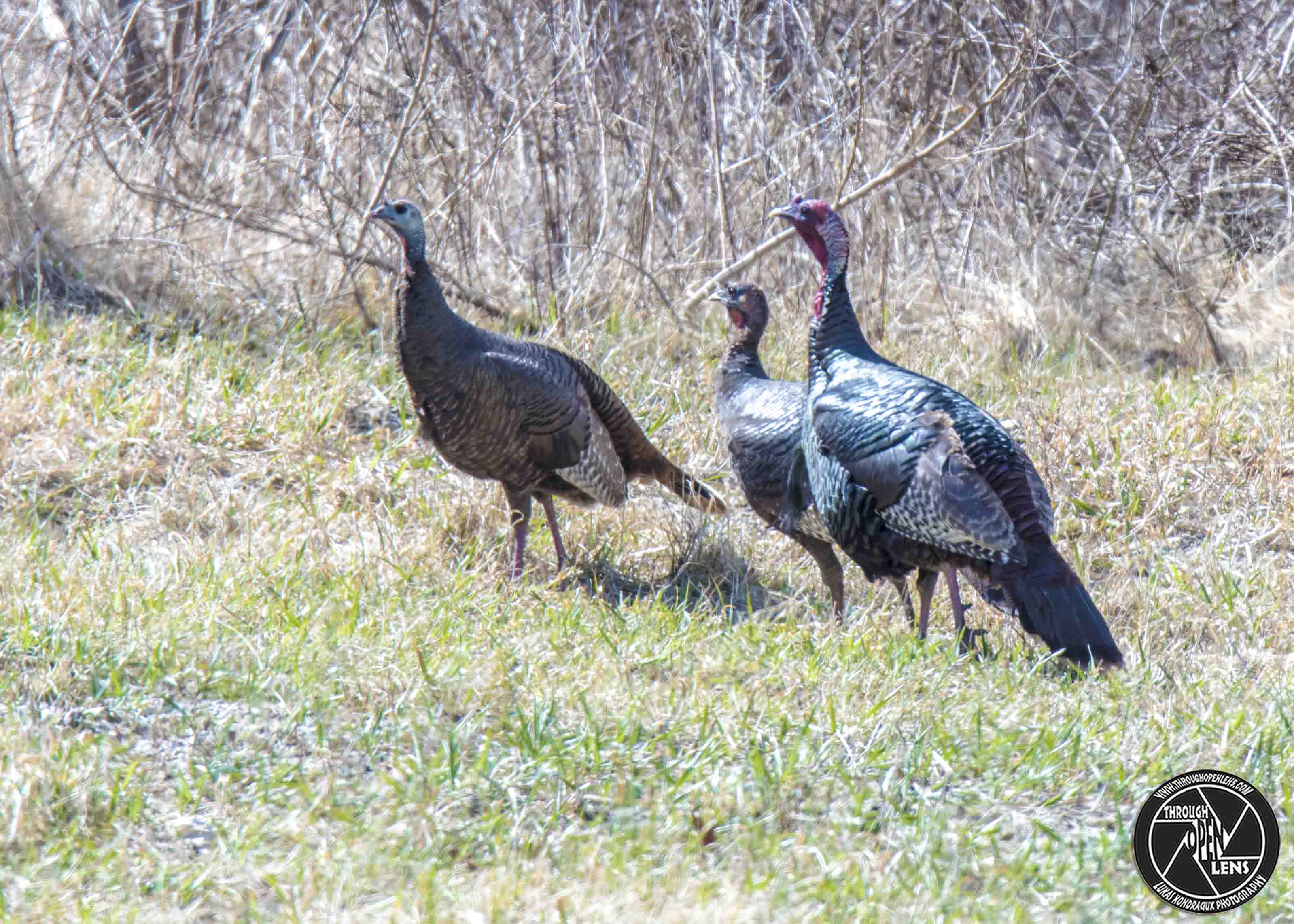
Wild Bunch!

F/9.0, 1/320, ISO 320.

Wild Turkeys

Why couldn’t the leopard play hide and seek?

Because he was always spotted.

Interesting Fact: The female scratches a shallow depression in the soil, about 1 inch deep, 8–11 inches wide, and 9–13 inches long. Wild Turkeys use only the dead leaves or other plant materials already present at the nest site. ( https://www.allaboutbirds.org/guide/Wild_Turkey/lifehistory )


Great Ideas Need Landing Gear As Well As Wings.

F/9.0, 1/250, ISO 320.

Great Blue Heron

Why did the chicken disappoint his mother.

He wasn’t what he was cracked up to be!

Interesting Fact: Great Blue Herons eat nearly anything within striking distance, including fish, amphibians, reptiles, small mammals, insects, and other birds. They grab smaller prey in their strong mandibles or use their dagger-like bills to impale larger fish, often shaking them to break or relax the sharp spines before gulping them down. ( https://www.allaboutbirds.org/guide/Great_Blue_Heron/lifehistory )

Ehh, What’s Up Duck?

F/5.6, 1/500, ISO 200.

Mallard 

Why did the duck cross the road?

Because there was a quack in the sidewalk. 

Interesting Fact:  Ducks have webbed feet, which they use for paddling beneath the water. Their feet have no nerves or blood vessels, which mean that they won’t feel chill from swimming in icy water. ( https://americanexpedition.us/mallard-duck-information-facts-photos-and-artwork )