Looks Like Someone Has A Case Of The Mondays

F/7.1, 1/200, ISO 250.

Great Horned Owl

What do you call a magic owl?

HOODINI

Interesting Fact: Great Horned Owls are fierce predators that can take large prey, including raptors such as Ospreys, Peregrine Falcons, Prairie Falcons, and other owls. They also eat much smaller items such as rodents, frogs, and scorpions. ( https://www.allaboutbirds.org/guide/Great_Horned_Owl/lifehistory )

Do You Have My Quack?

F/9.0, 1/320, ISO 320.

Ruddy Duck

Did you hear about the duck with a drug problem?

He was a quackhead.

Interesting Fact:  The oldest Ruddy Duck on record was a male and at least 13 years, 7 months old. He was banded in British Columbia and 1951 and found in Oregon in 1964. ( https://www.allaboutbirds.org/guide/Ruddy_Duck )

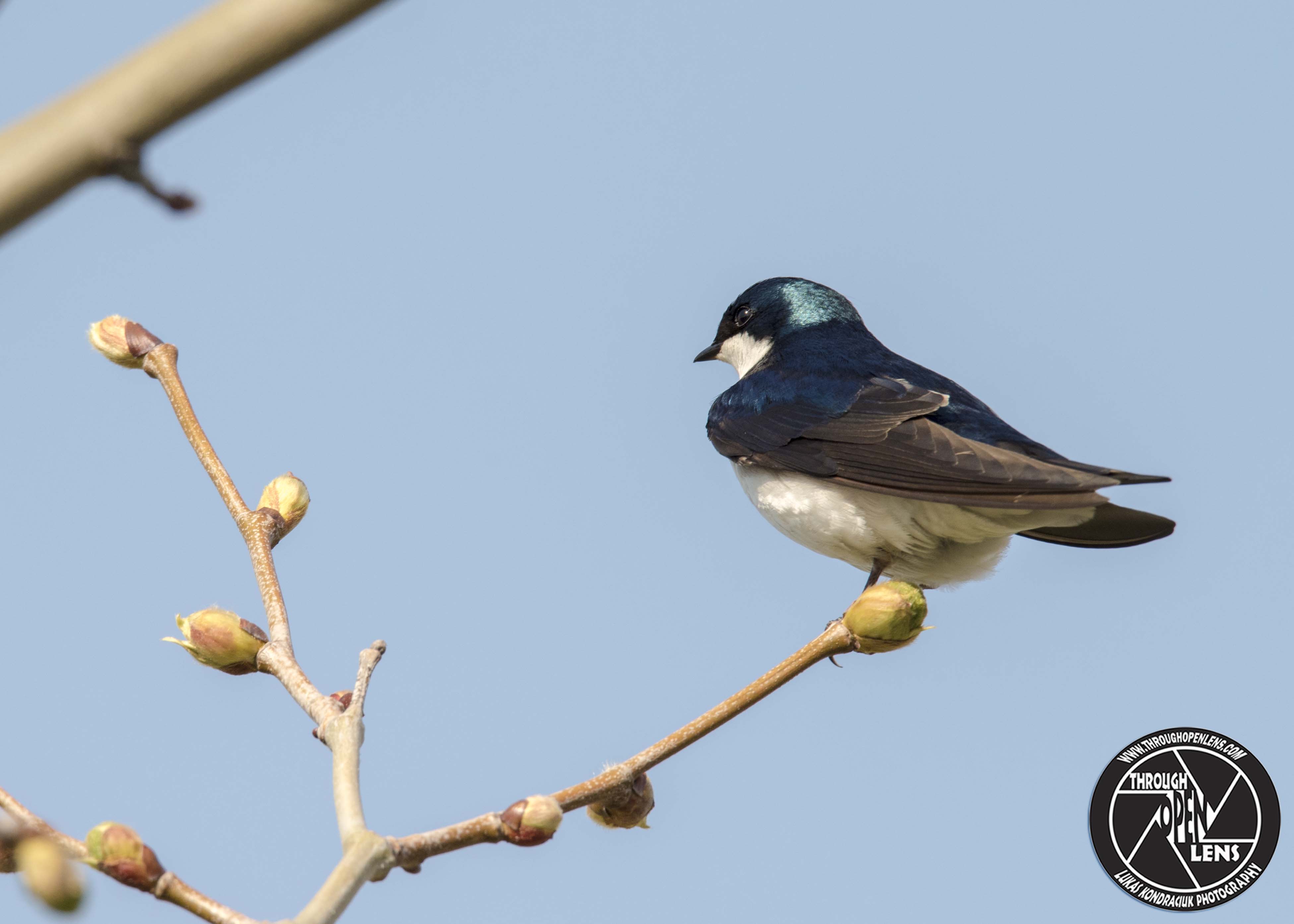
Take A Chill Pill!

F/11.0, 1/500, ISO 320.

Tree Swallow

What do you get when cross a donkey and an onion?

A piece of ass that’ll bring a tear to your eye!

Interesting Fact: Tree Swallows line their nests with feathers, and they seem to display or even play with these feathers during the early nesting season. A bird flies above the nest with a feather held in its bill; sometimes this leads to chases, and sometimes the bird drops the feather, causing an aerial free-for-all to see which bird retrieves it. ( https://www.allaboutbirds.org/guide/Tree_Swallow/lifehistory )

Bird Power!

F/6.3, 1/125, ISO 250.

Belted Kingfisher

Why do fish live in salt water?

Because pepper makes them sneeze!

Interesting Fact: The Belted Kingfisher is one of the few bird species in which the female is more brightly colored than the male. Among the nearly 100 species of kingfishers, the sexes often look alike. In some species the male is more colorful, and in others the female is. ( https://www.allaboutbirds.org/guide/Belted_Kingfisher )

Stay Golden Ponyboy!

F/6.3, 1/180, ISO 320.

American Goldfinch

Who earns a living driving their customers away?

A taxi driver.

Interesting Fact: Goldfinches move south in winter following a pattern that seems to coincide with regions where the minimum January temperature is no colder than 0 degrees Fahrenheit on average. ( https://www.allaboutbirds.org/guide/American_Goldfinch )

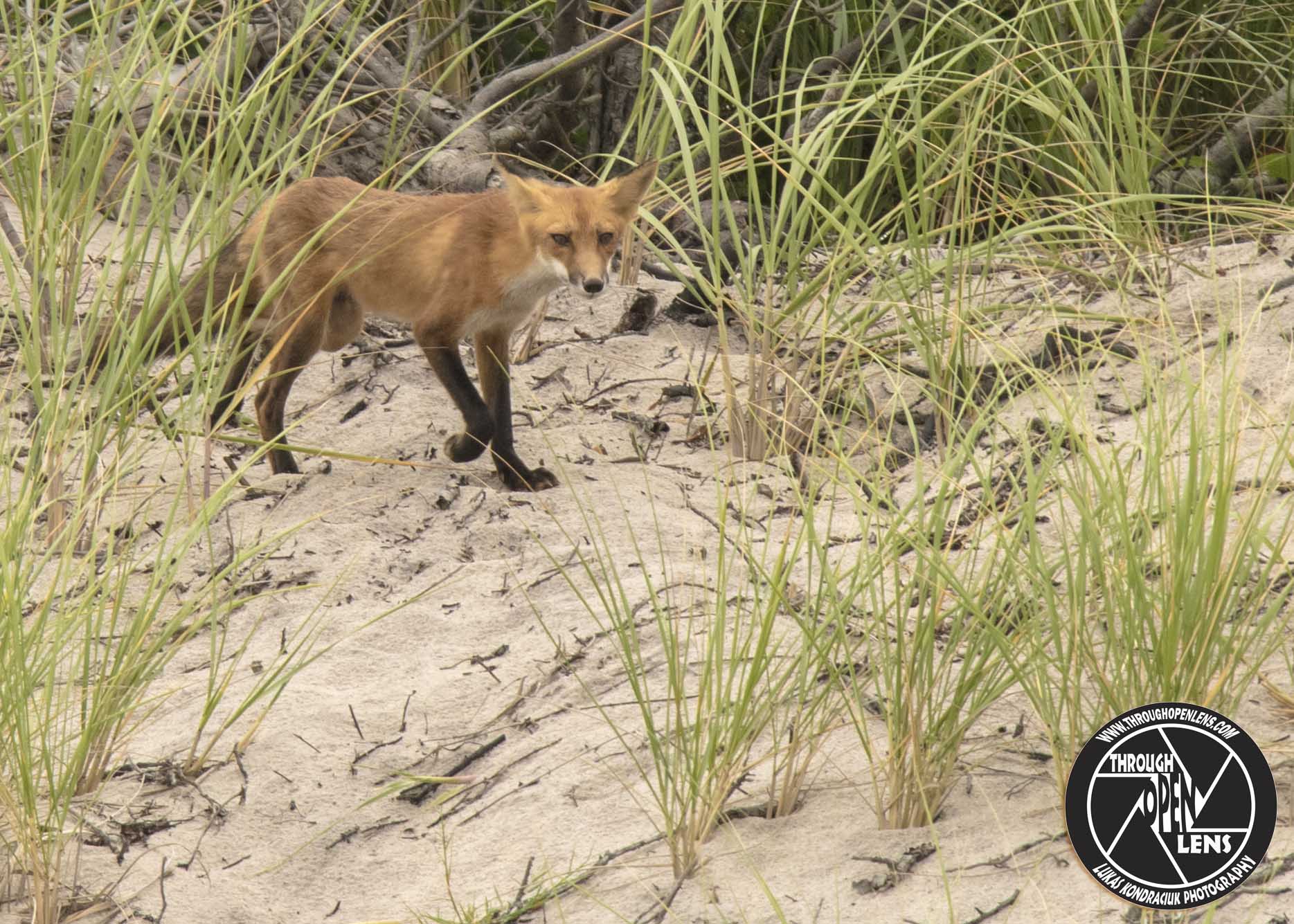
Oh For Fox Sake!

F/10.0, 1/400, ISO 500.

Red Fox

A chicken and an egg are having sex.

The chicken rolls off the egg and says, “I guess that answers that question.”

Interesting Fact: Foxes also signal each other by making scent posts—urinating on trees or rocks to announce their presence. ( https://www.nationalgeographic.com/animals/mammals/r/red-fox/ )

Sometimes Sitting Still Is The Best Move You Can Make.

F/6.3, 1/160, ISO 160.

Prairie Falcon

What do you get when you put a candle in a suit of armor?

A knight light.

Interesting Fact: Prairie Falcons are among the species of birds that seem to play—they’ve been seen dropping dried cow manure in midair and then diving to catch it. Like young ball players flipping a baseball to themselves, this may be a way to sharpen their coordination skills. ( https://www.allaboutbirds.org/guide/Prairie_Falcon/overview )

Are You Looking At Me?!

F/5.6, 1/80, ISO 320.

California Scrub-Jay

How did the barber win the race?

He knew a short cut.

Interesting Fact: You might see California Scrub-Jays standing on the back of a mule deer. They’re eating ticks and other parasites. The deer seem to appreciate the help, often standing still and holding up their ears to give the jays access. ( https://www.allaboutbirds.org/guide/California_Scrub-Jay/overview )

Cliffhanger!

F/9.0, 1/320, ISO 160.

Green Heron

Why did the soccer player bring string to the game?

So he could tie the score.

Interesting Fact: The oldest Green Heron on record was at least 7 years, 11 months old when it was found in Mexico in 1979. It had been banded in Oklahoma in 1971. ( https://www.allaboutbirds.org/guide/Green_Heron )

Don’t Let Anyone Bring You Down. Make Today The Best Day Of Your Life.

F/7.1, 1/200, ISO 400.

Northern Flicker

Why are frogs always so happy?

They eat what ever bugs them.

Interesting Fact: Northern Flickers generally nest in holes in trees like other woodpeckers. Occasionally, they’ve been found nesting in old, earthen burrows vacated by Belted Kingfishers or Bank Swallows. ( https://www.allaboutbirds.org/guide/Northern_Flicker/overview )