Have You Seen This Turkey? Last Seen Escaping Through The Kitchen Window.

wild-turkey-1

F/7.1, 1/200, ISO 640

Wild Turkey

Why did they let the turkey join the band?

Because he had the drumsticks

Interesting Fact: As Wild Turkey numbers dwindled through the early twentieth century, people began to look for ways to reintroduce this valuable game bird. Initially they tried releasing farm turkeys into the wild but those birds didn’t survive. In the 1940s, people began catching wild birds and transporting them to other areas. Such transplantations allowed Wild Turkeys to spread to all of the lower 48 states (plus Hawaii) and parts of southern Canada.  ( https://www.allaboutbirds.org/guide/Wild_Turkey/lifehistory )

I Have A Headache!

downy-woodpecker-4

F/8.0, 1/250, ISO 320.

Downy Woodpecker

Why did Adele cross the road?

To sing, “Hello from the other side!”

 Interesting Fact: Downy Woodpeckers have been discovered nesting inside the walls of buildings. ( https://www.allaboutbirds.org/guide/Downy_Woodpecker/lifehistory )

Well I’m going down, down, down, down, down, down.

mallard-landing

F/6.0, 1/500, ISO 360.

Mallard  

A Ham sandwich walks into a bar and asks the bartender for a drink.

The bartender says, “Sorry we don’t serve food.”

Interesting Fact:  The Mallard is the ancestor of nearly all domestic duck breeds (everything except the Muscovy Duck). Domestic ducks can be common in city ponds and can be confusing to identify—they may lack the white neck ring, show white on the chest, be all dark, or show oddly shaped crests on the head. ( https://www.allaboutbirds.org/guide/Mallard/lifehistory )

Oh My Deer…

F/5.6, 1/250, ISO 400

White-Tailed Deer

What is it called when a tree takes time off from work in autumn?

Paid leaf.

Interesting Fact: Deer have a great sense of hearing and can even move their ears in any direction, without moving the head. Deer have an excellent sense of smell and can detect predators from a long distance away.

I Live In The Meow!

F/6.3, 1/60, ISO 320.

Gray Catbird

Why did the computer break up with the internet?

There was no “Connection”.

Interesting Fact:  The Gray Catbird’s long song may last for up to 10 minutes. ( https://www.allaboutbirds.org/guide/Gray_Catbird )

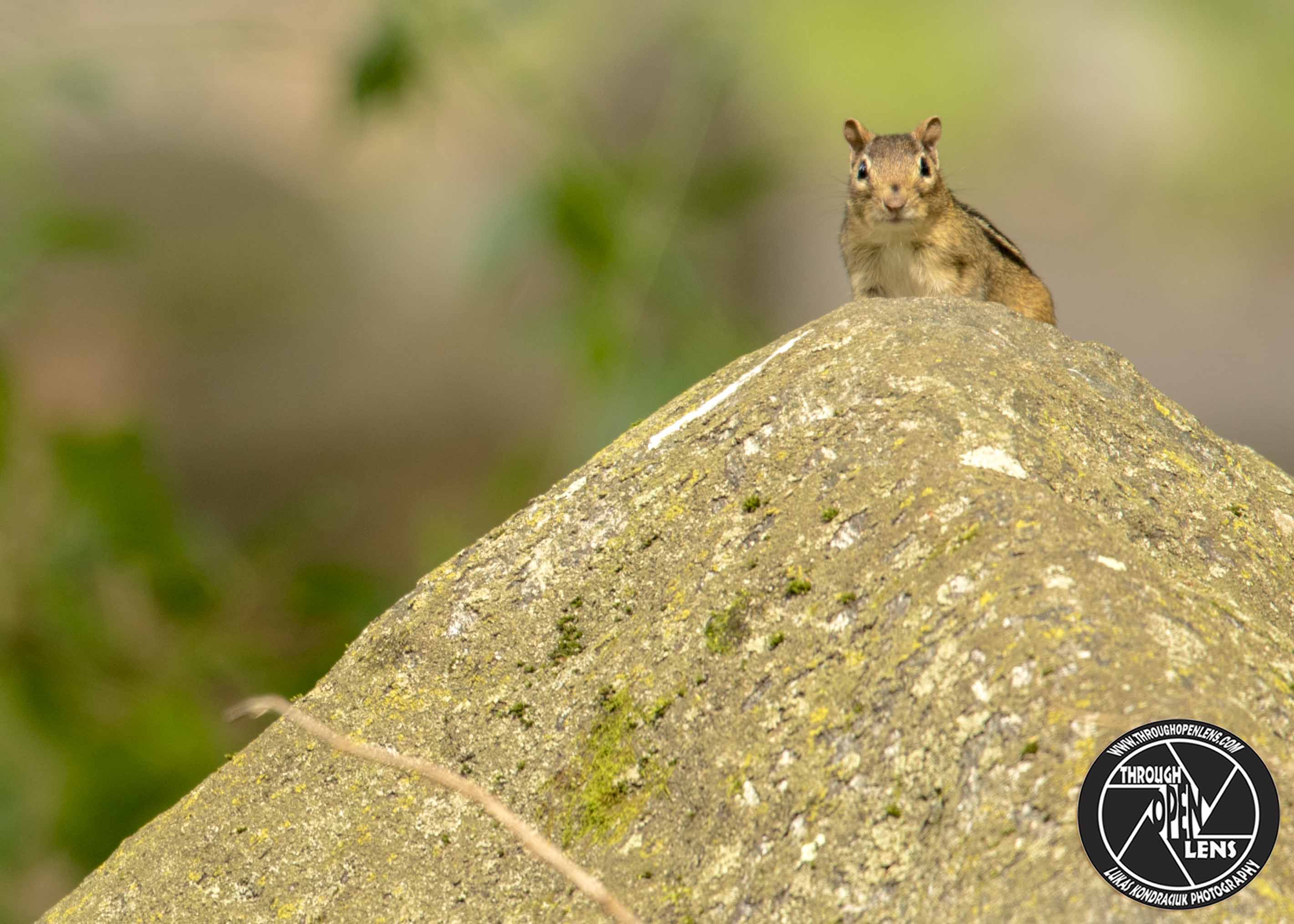
Im On Top Of The World!

F/6.3, 1/100, ISO 250.

Chipmunk

Why was the chipmunk late for work?

Traffic was NUTS.

Interesting Fact: Their shrill, repeated, birdlike chirp is usually made upon sensing a threat but is also thought to be used as a mating call by females. Chipmunks are solitary creatures and normally ignore one another except during the spring, when mating takes place. After a 30-day gestation, a litter of two to eight is born. The young stay with their parents for two months before they begin to gather their own provisions for the winter ahead. ( https://www.nationalgeographic.com/animals/mammals/group/chipmunks/ )

Are You Looking At Me?!

F/5.6, 1/80, ISO 320.

California Scrub-Jay

How did the barber win the race?

He knew a short cut.

Interesting Fact: You might see California Scrub-Jays standing on the back of a mule deer. They’re eating ticks and other parasites. The deer seem to appreciate the help, often standing still and holding up their ears to give the jays access. ( https://www.allaboutbirds.org/guide/California_Scrub-Jay/overview )

Finally! Spring Is Here!

F/6.3, 1/160, ISO 320.

Northern Cardinal ( Female )

What season is it best to go on a trampoline?

Spring time

Interesting Fact: The brilliant red of a male Northern Cardinal calls attention to itself when males are around. You can also find cardinals by getting a sense of the warm, red-tinged brown of females – a pattern you can learn to identify in flight. Away from backyards, cardinals are still common but inconspicuous owing to their affinity for dense tangles. Listen for their piercing chip notes to find where they are hiding. ( https://www.allaboutbirds.org/guide/Northern_Cardinal/overview  )

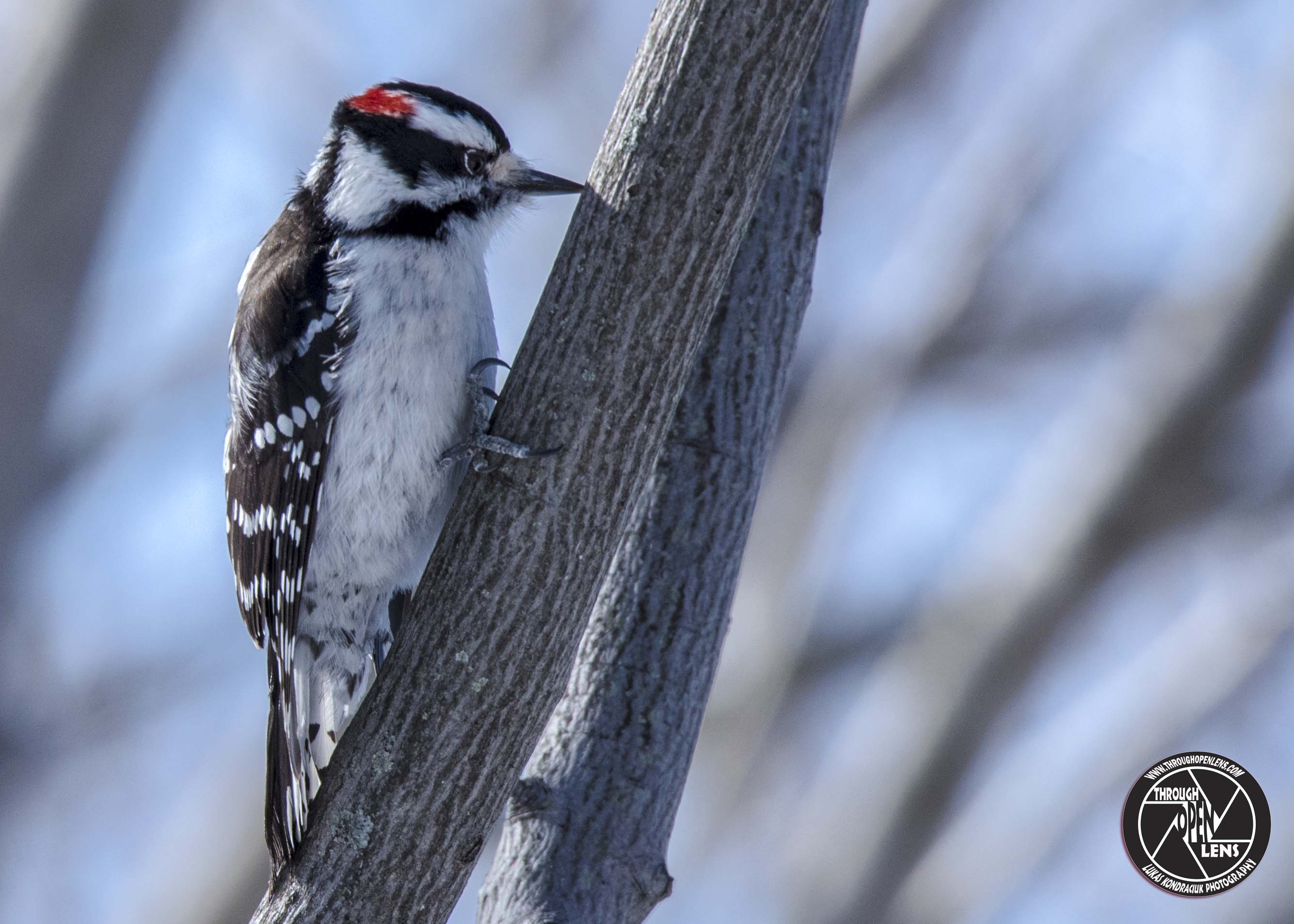
Peck Away!

F/11.0, 1/500, ISO 400.

Downy Woodpecker 

What is harder to catch the faster you run?

Your breath.

Interesting Fact: An active woodpecker that moves quickly over tree trunks, branches, and stems of grasses and wildflowers, characteristically leaning against its stiffened tail feathers for support. Downy Woodpeckers move horizontally and downwards on trees much more readily than most other woodpeckers. ( Downy Woodpecker Life History, All About Birds, Cornell Lab of Ornithology )


If You Can’t Tone It Tan It

F/11.0, 1/500, ISO 250.

Hispaniolan slider

Why did the turtle cross the road?

To get to the shell station!

Interesting Fact:  The Hispaniolan slider is a freshwater turtle. They can live on land and water, but prefer to be near freshwater.[3] These sliders are not on the endangered list, but are considered vulnerable. ( https://en.wikipedia.org/wiki/Hispaniolan_slider )