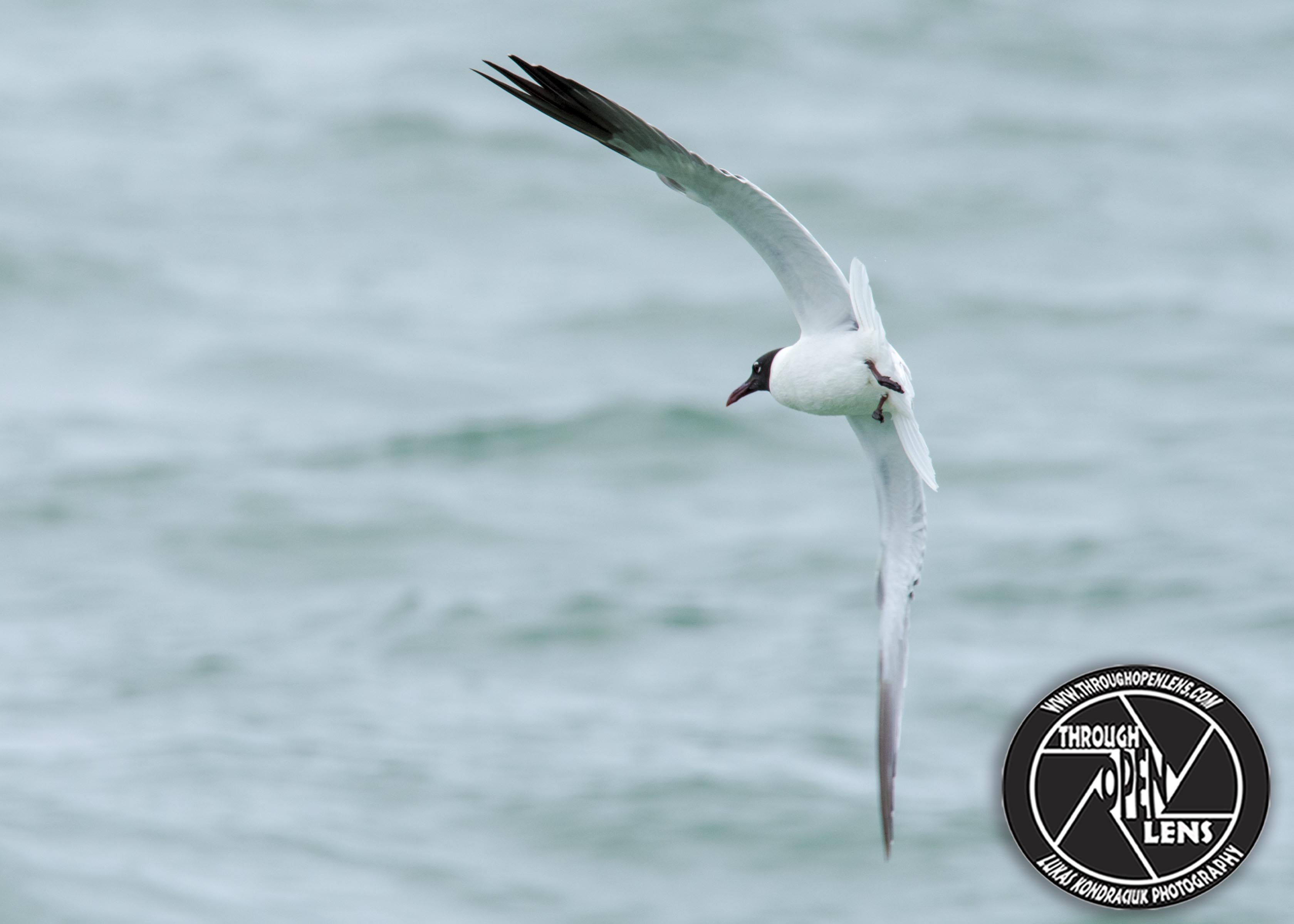
Basic Maneuvers!

F/11.0, 1/500, ISO  320.

Laughing Gull

Why is a river rich?

It has banks on both sides.

Interesting Fact:  The adult Laughing Gull removes the eggshells from the nest after the eggs hatch. If the shells are not removed, a piece can become lodged on top of the slightly smaller unhatched third egg and prevent it from hatching. ( https://www.allaboutbirds.org/guide/Laughing_Gull/lifehistory )

Be Cool Honey Bunny!

F/6.3, 1/160, ISO 250.

Eastern Cottontail Rabbit

What did the salad say when the cabbage interrupted their meal?

Lettuce alone!

Interesting Fact: The cottontail prefers an area where it can hide quickly but be out in the open. Forests, swamps, thickets, bushes, or open areas where shelter is close by are optimal habitation sites for this species.  ( https://en.wikipedia.org/wiki/Eastern_cottontail )

Life Always Offers You A Second Chance. It’s Called Tomorrow.

F/10.0, 1/400, ISO 250.

Tree Swallow

What did one wall say to the other wall?

Meet you at the corner!

Interesting Fact:  Tree Swallows are highly social, forming large migratory and wintering flocks; and pairs often nest close together, particularly where nest boxes are numerous. Agile fliers, Tree Swallows tend to glide more than any other swallow species. They bathe by flying low over the water and skimming their bodies against the surface, then rising quickly while shaking off droplets. ( https://www.allaboutbirds.org/guide/Tree_Swallow/lifehistory )

Sometimes What You Looking For Comes When You’re Not Looking At All.

F/5.6, 1/2000, ISO 500.

Semipalmated Plover 

How do trees get online?

They just log on!

Interesting Fact: They are migratory and winter in coastal areas of the southern United States, the Caribbean and much of South America. They are extremely rare vagrants to western Europe, and have been found in Tierra del Fuego and the Isles of Scilly.[4] Their true status may be obscured by the difficulty in identifying them from the very similar ringed plover of Eurasia, of which it was formerly considered a subspecies. ( https://en.wikipedia.org/wiki/Semipalmated_plover )


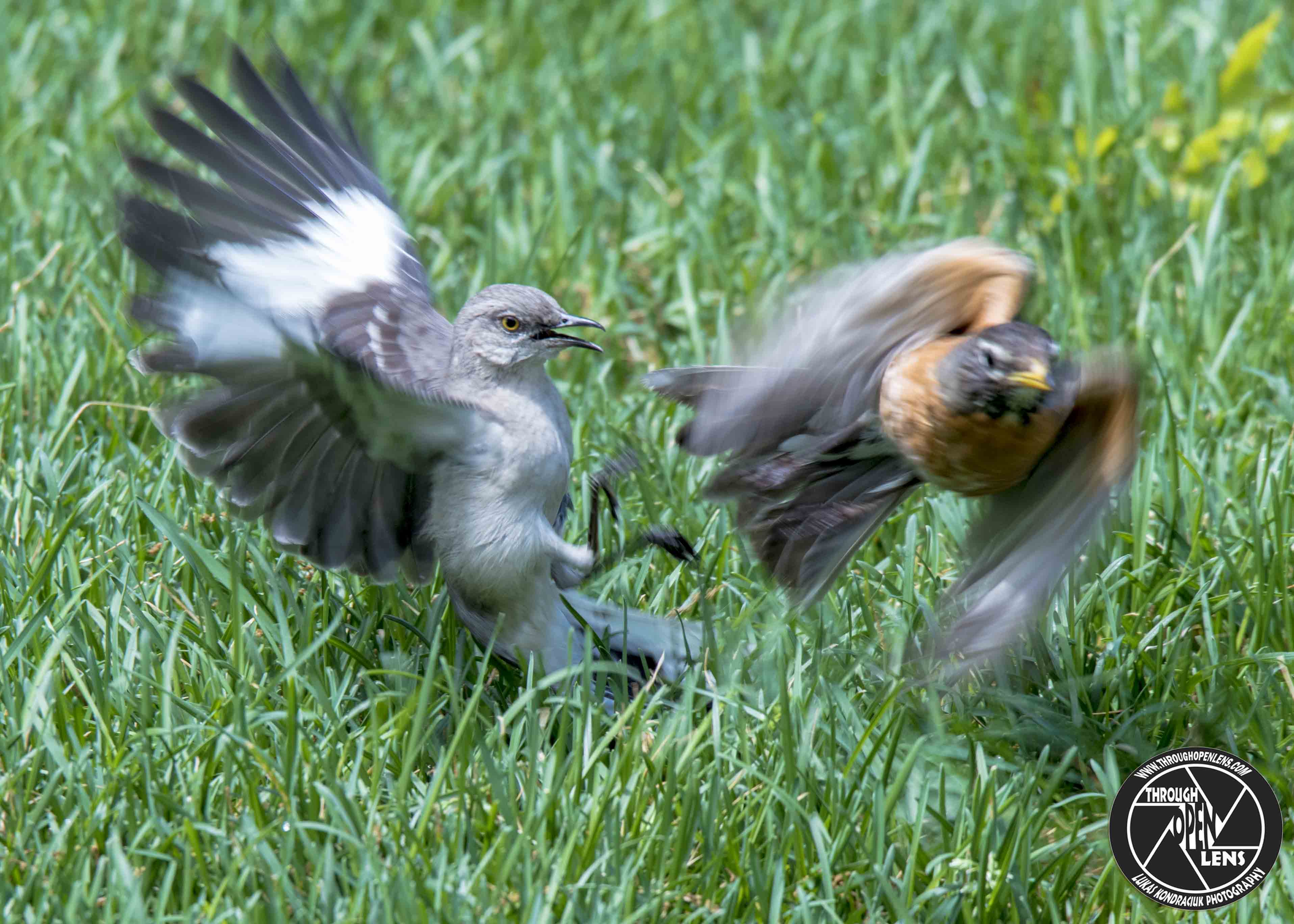
Keep Off My Grass!

F/8.0, 1/250, ISO 400.

Northern Mockingbird vs American Robin

Why should you keep away from dermatologists?

They make rash decisions.

Interesting Fact: Mockingbirds are also territorial around other bird species as well as dogs and cats. The flight style of mockingbirds is variable but typically leisurely, with showy wingbeats. Sometimes Northern Mockingbirds simply drop quickly from a perch with their wings folded. ( https://www.allaboutbirds.org/guide/Northern_Mockingbird/lifehistory# )


You Are What You Eat! …Nuts

F/6.3, 1/200, ISO 320.

Eastern Gray Squirrel

Why don’t squirrels wear skinny jeans?

Because their nuts won’t fit.

Interesting Fact: Eastern gray squirrels have an excellent sense of smell, which they use to help locate food that they’ve hidden away. They can also pick up information about their fellow squirrels by smelling them.  ( http://kids.nationalgeographic.com/animals/eastern-gray-squirrel )


I Think We Have A Problem!

F/10.0, 1/400, ISO 250.

Snowy Egret

When is a door sweet and tasty?

When its jammed!

Interesting Fact: The male starts working on a nest before finding a mate. Then the female takes over and ends up doing most of the nest building, with materials supplied by the male. The nest is a shallow oval of loosely woven twigs, small sticks, grasses, sedges, rushes, and Spanish moss, about 14–18 inches across and 8–13 inches high. ( https://www.allaboutbirds.org/guide/Snowy_Egret/lifehistory )

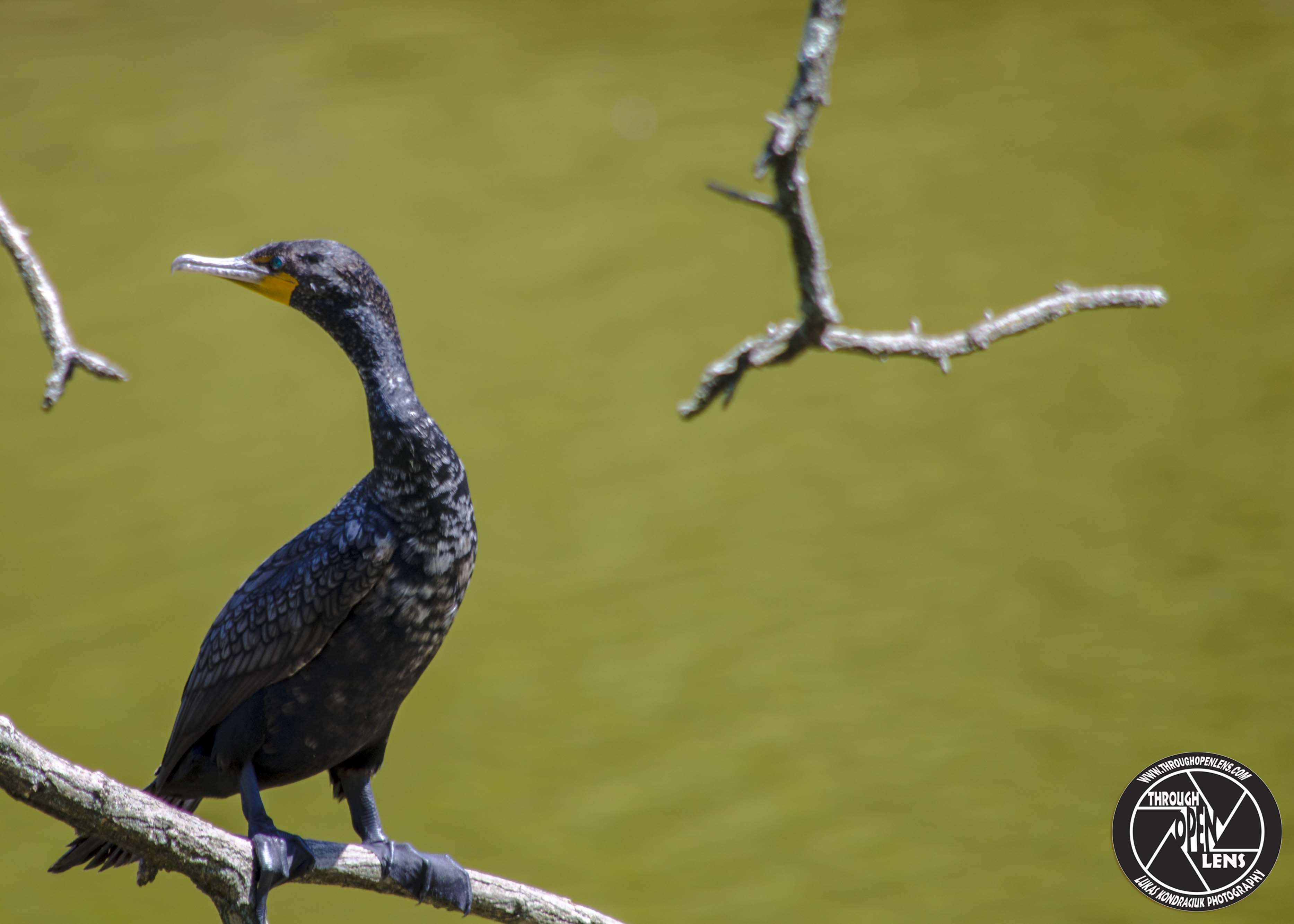
What Was That?!

F/5.6,1/160, ISO 100.

Double-crested Cormorant

What is the difference between the government and the Mafia?

One of them is organized.

Interesting Fact: Double-crested cormorants are gregarious birds that are almost always near water. Their main two activities are fishing and resting, with more than half their day spent on the latter. When at rest, a cormorant will choose an exposed spot on a bare branch or a windblown rock, and often spread its wings out, which is thought to be a means of drying their feathers after fishing. ( https://www.allaboutbirds.org/guide/Double-crested_Cormorant/lifehistory )


Eat Pasta Swim Fasta!

F/7.1, 1/200, ISO 200.

Black Scoter Duck

Want to hear a construction joke?

Oh never mind, I’m still working on that one.

Interesting Fact: The lined nest is built on the ground close to the sea, lakes or rivers, in woodland or tundra. 5–7 eggs are laid. Each eggs weighs from 60–74 g (2.1–2.6 oz), or 8% of the females body weight. The incubation period may range from 27 to 31 days. Females brood their young extensively for about 3 weeks, after which the still flightless young must fend for themselves. ( https://en.wikipedia.org/wiki/Black_scoter )

Not Fair You Are Peeking!

F/8.0, 1/250, ISO 200.

White-Tailed Deer 

How does NASA organize a birthday party?

They planet!

Interesting Fact: Males compete for the opportunity of breeding females. Sparring among males determines a dominance hierarchy.[63] Bucks attempt to copulate with as many females as possible, losing physical condition, since they rarely eat or rest during the rut. The general geographical trend is for the rut to be shorter in duration at increased latitude. Many factors determine how intense the “rutting season” will be; air temperature is a major one. Any time the temperature rises above 40 °F (4 °C), the males do much less traveling looking for females, else they will be subject to overheating or dehydrating. Another factor for the strength in rutting activity is competition. If numerous males are in a particular area, then they compete more for the females. If fewer males or more females are present, then the selection process will not need to be as competitive. ( https://en.wikipedia.org/wiki/White-tailed_deer )