You Know What Guys I Am Getting Sick Of The V Formation!

F/10.0, 1/400, ISO 640.

Ruddy Duck

What do you get when you put four ducks in a box?

A box of quackers!

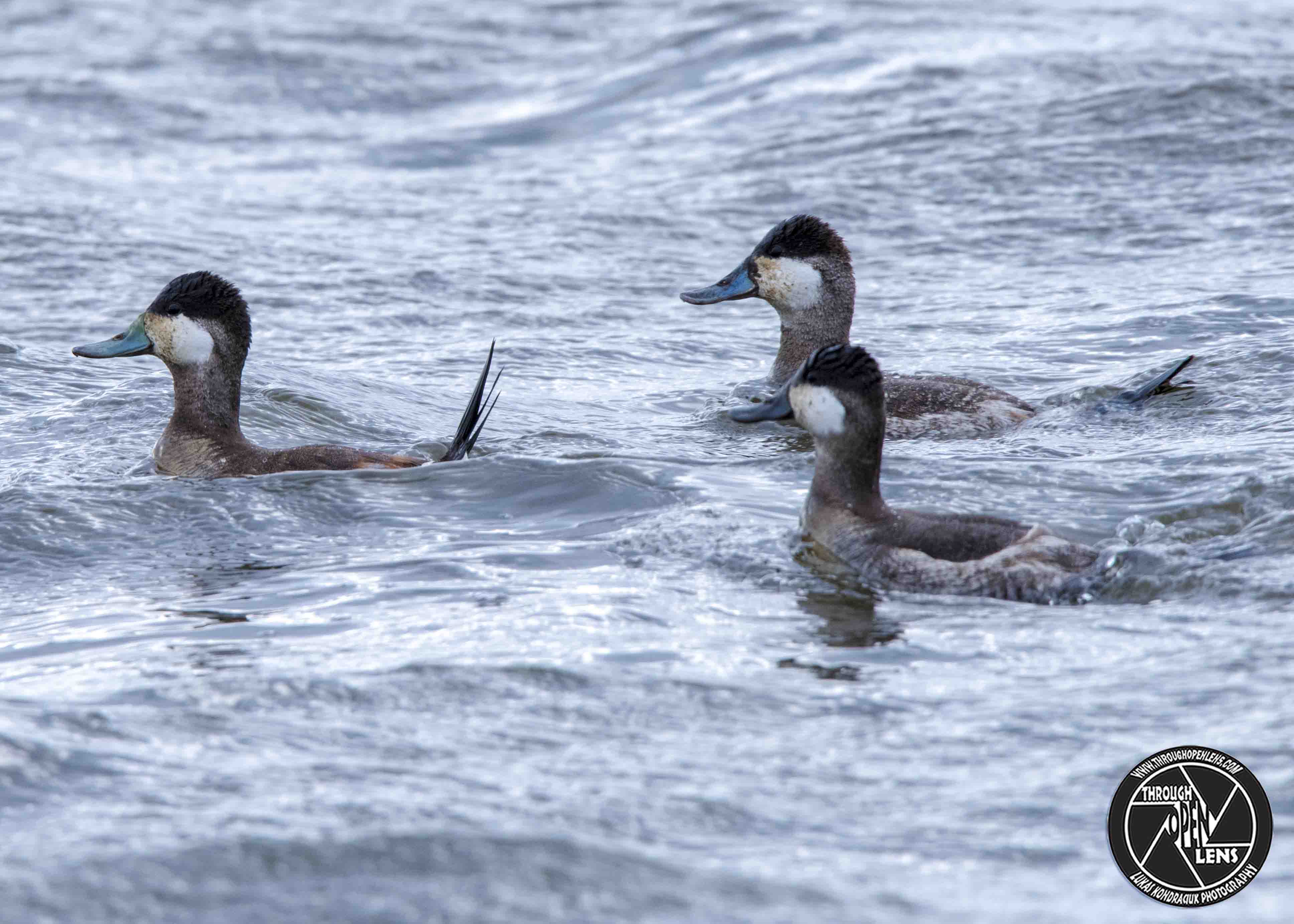
Interesting Fact: The Ruddy Duck has spiky tail feathers that are used in courtship displays. ( http://identify.whatbird.com/obj/116/overview/Ruddy_Duck.aspx )

You Wanna Fly You Got To Give Up The Shit That Weighs You Down.

F/9.0, 1/320, ISO 640.

Double-crested Cormorant 

How does NASA organize a party?

They planet

Interesting Fact: The male chooses the nest site and then attracts a female. Nests can be on the ground, on rocks or reefs with no vegetation, or atop trees, which may be alive when a cormorant colony first forms but typically die after a few years from the guano build-up. Nests are built in the center of a colony first, then expand outward. ( https://www.allaboutbirds.org/guide/Double-crested_Cormorant/lifehistory )

Release The Quackin!

ring-necked-ducks

F/11.0, 1/500, ISO 500.

Ring-necked Ducks

Why shouldn’t you write with a broken pencil?

Because it’s pointless!

Interesting Fact: During fall migration, Ring-necked Ducks can form immense flocks. Several hundred thousand congregate each fall on certain lakes in Minnesota to feed on wild rice. ( https://www.allaboutbirds.org/guide/Ring-necked_Duck/lifehistory )

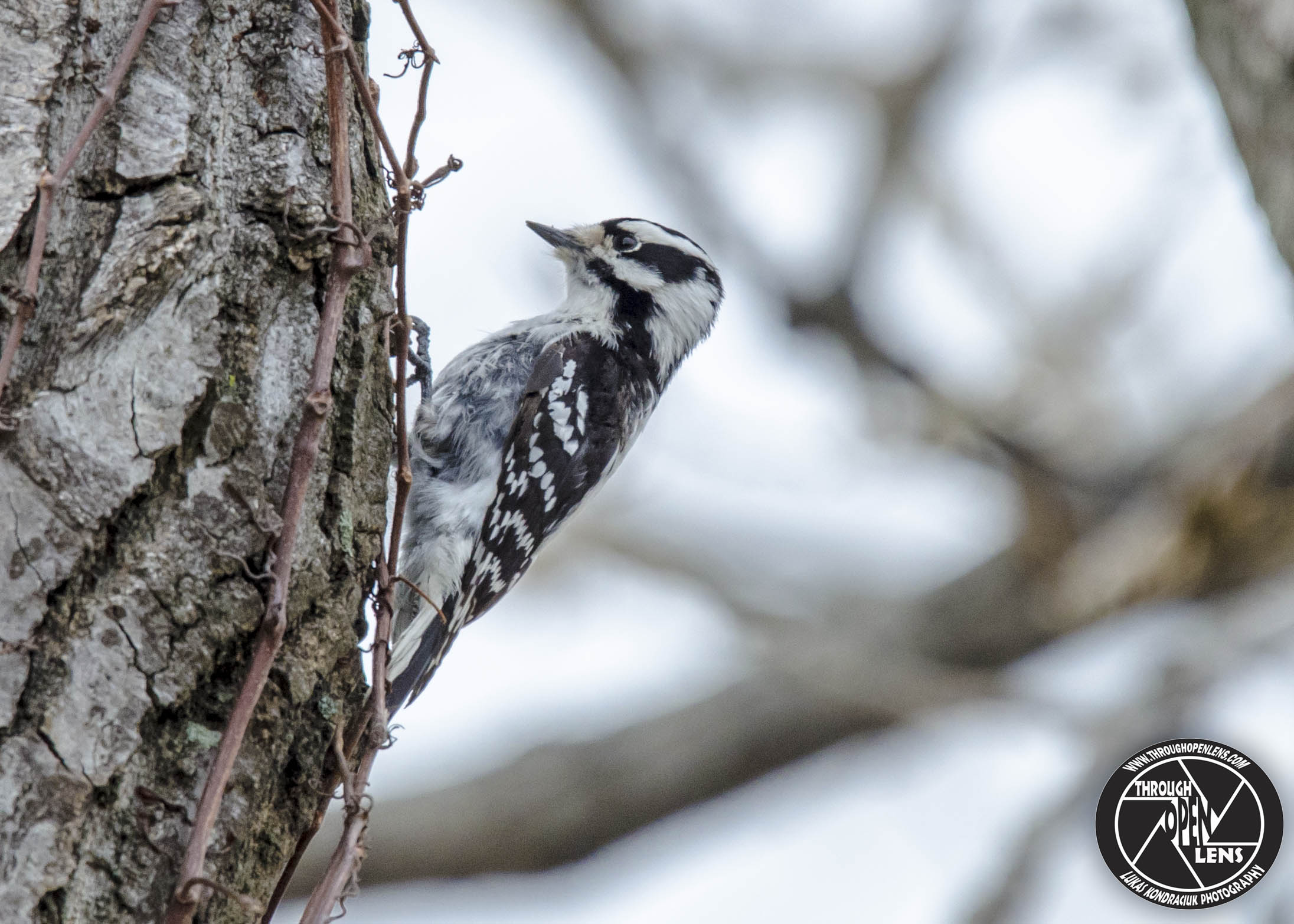
I Am In To Head Banging, What Music Do you Like?

downy-woodpecker-2

F/6.3, 1/1000, ISO 800.

Downy Woodpecker

There are three guys in a helicopter and they each get to choose what they want to throw out.

The first guys chooses an apple. So he takes an apple and throws it out.

The second guy chooses a brick. So he takes a brick and throws it out.

The third guy chooses a grenade. So he pulls the pin and throws it out.

They land a while later and are walking along when they find a man rubbing his head.

They ask, “What happened to you?”

He answers, “An apple hit me on the head.”

They’re walking along again and find a man lying unconscious on the ground.

They ask the cop, “What happened to him?”

He answers, “A brick hit him on the head.”

They’re walking again, when they find a man laughing hysterically.

They ask, “What happened to you?”

He answers, “I farted and the house blew up behind me!”

Interesting Fact: In winter Downy Woodpeckers are frequent members of mixed species flocks. Advantages of flocking include having to spend less time watching out for predators and better luck finding food from having other birds around. ( https://www.allaboutbirds.org/guide/Downy_Woodpecker/lifehistory )

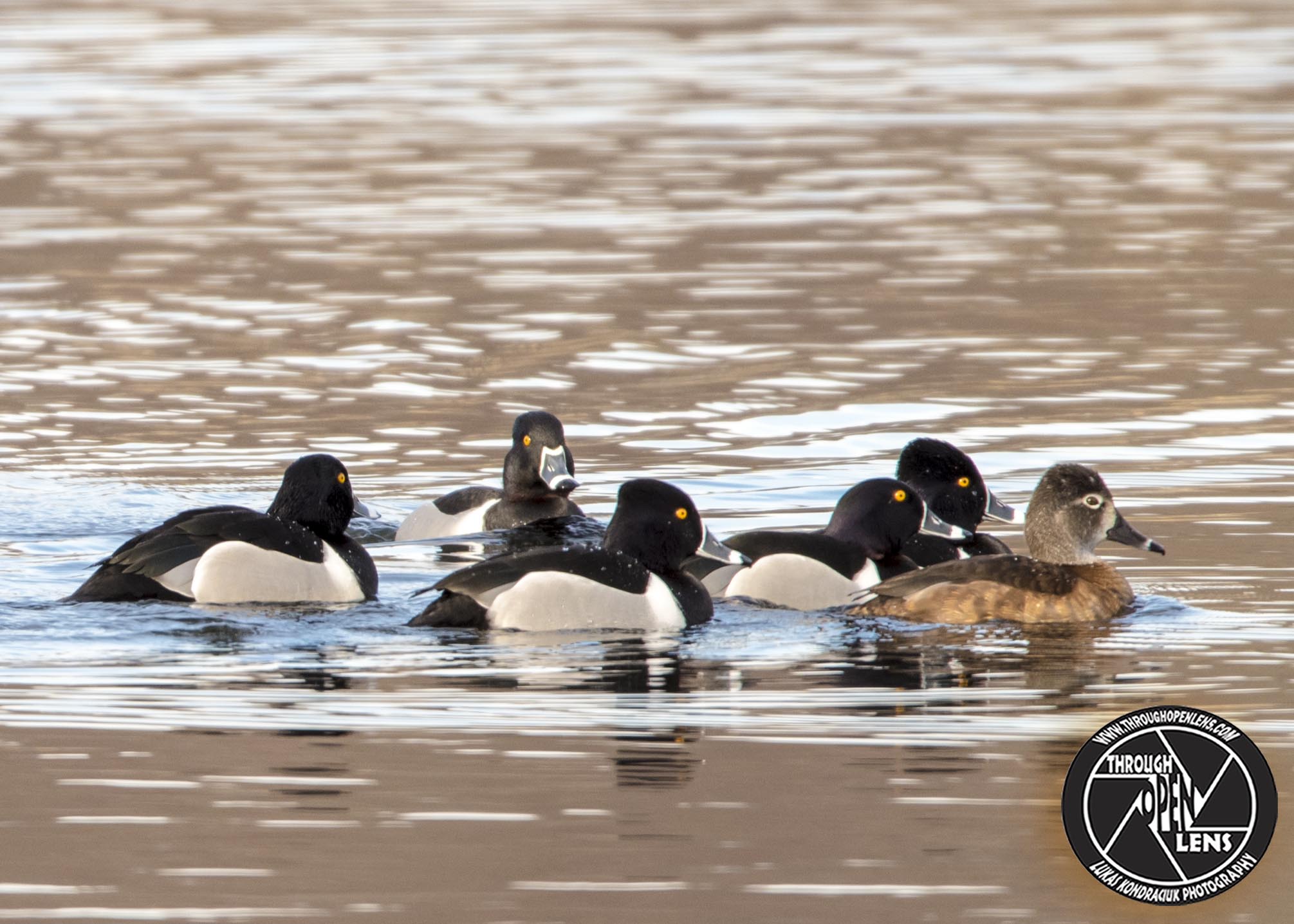
It’s The New Year, Get Your Ducks In A Row!

F/9.0, 1/320, ISO 320.

Ring-necked Ducks

What time is it when an elephant sits on your fence?

Time to get a new fence!

Interesting Fact: They tend to remain in pairs during the breeding season but group into flocks of several to several thousand during migration and winter. Like many other ducks, the Ring-necked Duck uses many kinds of displays to ward off rivals and to seek mates; almost any group of ducks offers an opportunity to watch these displays at work. When warning away another bird, Ring-necked Ducks lower their bill to meet their chest or push against each other, breast to breast, while swimming. This can intensify to bites and blows with the wings, particularly during the breeding season. When courting, males often throw their head sharply backward, touching the back; swim rapidly while nodding the head; or act as if they are preening their wing. As pairs begin to form, the two birds may perform exaggerated neck stretches or dip their bills in the water as if drinking. Pairs tend to form in spring and stay together at least until incubation begins. ( https://www.allaboutbirds.org/guide/Ring-necked_Duck/lifehistory )

My New Year’s resolution Is To Stop Hanging Out With People Who Ask Me About My New Years’s Resolutions.

F/10.0, 1/400, ISO 320.

Sandhill Crane

What’s the problem with jogging on New Years Eve?

The ice falls out of your drinks!

Interesting Fact: Sandhill Cranes are known for their dancing skills. Courting cranes stretch their wings, pump their heads, bow, and leap into the air in a graceful and energetic dance. ( https://www.allaboutbirds.org/guide/Sandhill_Crane/lifehistory )

I’m A Biter!

F/10.0, 1/400, ISO 800.

Common Loon ( Nonbreeding adult )

Why did the teddy bear say no to dessert?

Because she was stuffed.

Interesting Fact: Loons shoot through the water like a torpedo, propelled by powerful thrusts of feet located near the rear of their body. When their quarry changes direction, loons can execute an abrupt flip-turn that would make Olympic swimmers jealous: they extend one foot laterally as a pivot brake and kick with the opposite foot to turn 180 degrees in a fraction of a second. ( https://www.allaboutbirds.org/guide/Common_Loon/lifehistory )


Look Into My Eyes And Jump Into My Mouth… Fish!

F/9.0, 1/320, ISO 160.

Green Heron

Where do bees go to the bathroom?

At the BP station!

Interesting Fact: Both the male and female brood and feed the chicks, which may stay with their parents for more than a month after leaving the nest, as they learn to forage. Green Herons protect their feeding areas by driving away other species, such as American Coots, that approach too closely. ( https://www.allaboutbirds.org/guide/Green_Heron/lifehistory )

GERONIMO!

F/ 6.3, 1/1000, ISO 640.

Great Blue Heron

A magician was performing on cruise ship and each night while performing his pet parrot keeps saying:

“its up his sleeve”

” its in his pocket”.

“its in his shoe”.

“in his pants”.

Etc. and the magician was loosing his patience. one night while performing his tricks the ships boilers blew and the ship sank, the lucky magician was able to grab onto a ships table and float on the sea for a few days. the parrot in the mean time seemed non plussed and was looking quizzically at the magician for a few days whilst drifting. On the 4th day the parrots looks at his master and says:

“I give up… what did you do with the ship?”

Interesting Fact: Great Blue Herons have specialized feathers on their chest that continually grow and fray. The herons comb this “powder down” with a fringed claw on their middle toes, using the down like a washcloth to remove fish slime and other oils from their feathers as they preen. Applying the powder to their underparts protects their feathers against the slime and oils of swamps. ( https://www.allaboutbirds.org/guide/Great_Blue_Heron/lifehistory )

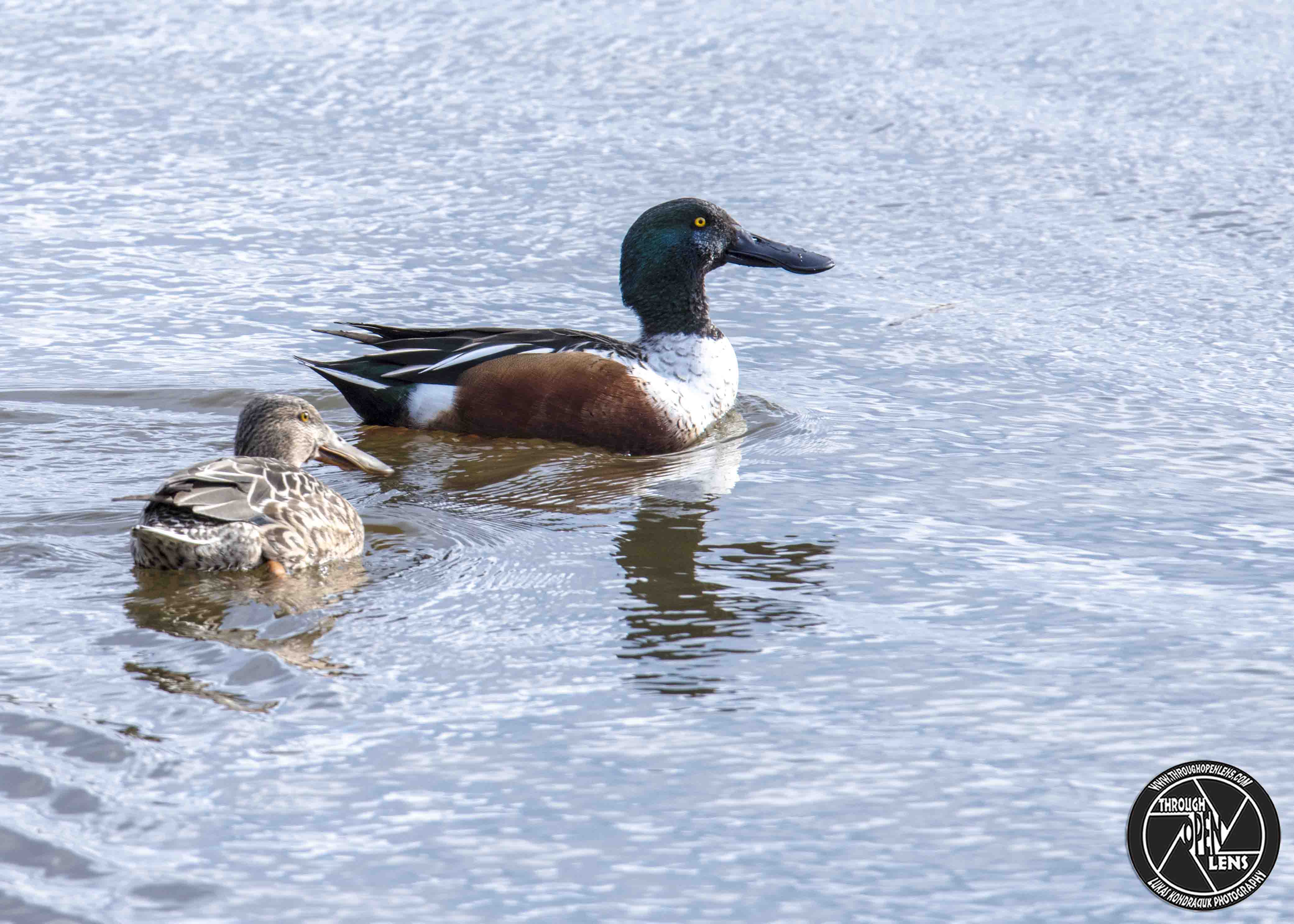
Save Water Take Baths With A Friend!

F/11.0, 1/500, ISO 400.

Northern Shoveler

What did the duck say when he dropped the dishes?

“I hope I didn’t quack any!”

Interesting Fact: Females use their body, feet, and bill to make a small depression on the ground about 8 inches wide. The nest scrape is usually surrounded on at least three sides by vegetation and lined with downy feathers. ( https://www.allaboutbirds.org/guide/Northern_Shoveler/lifehistory )