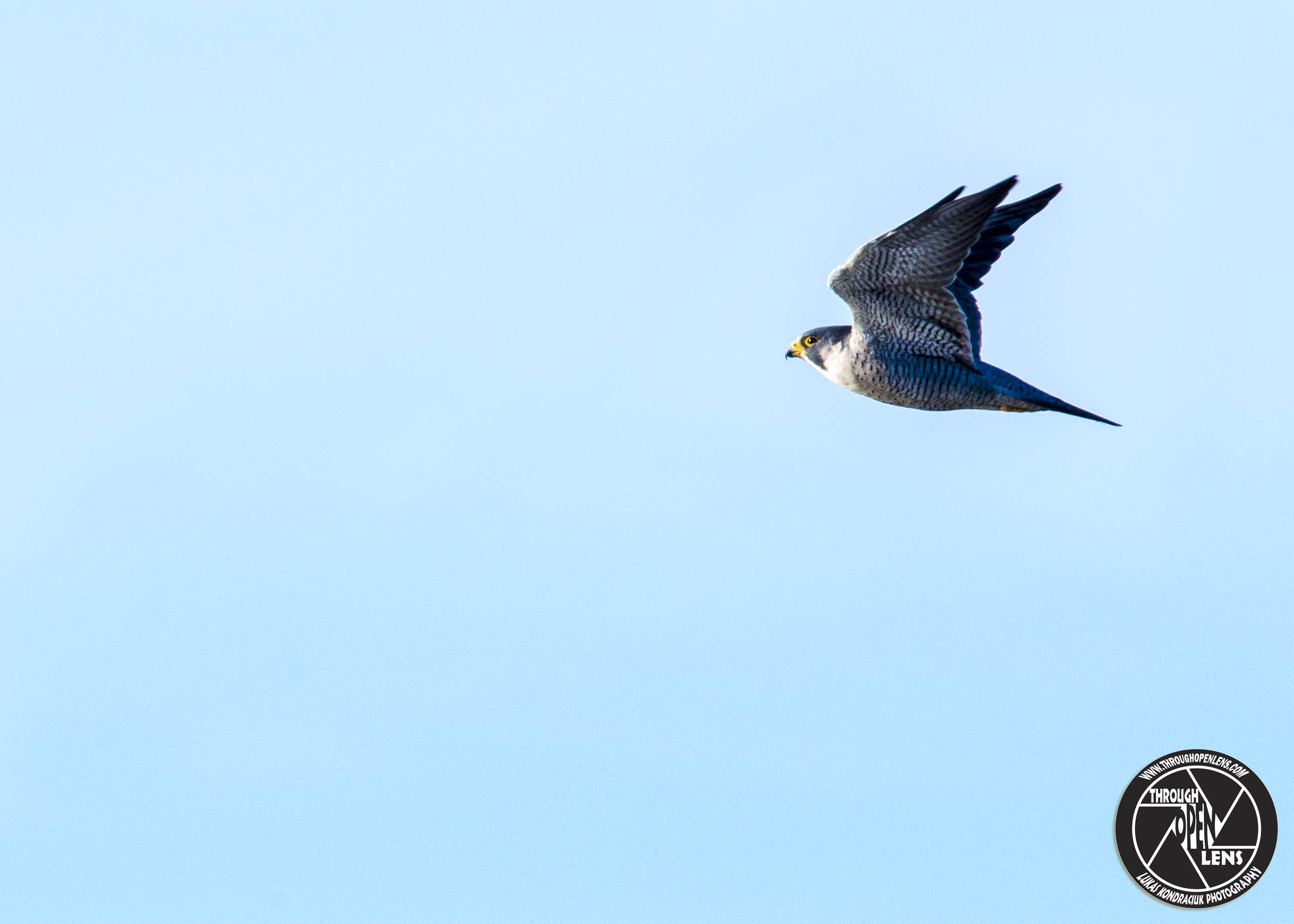
I Feel The Need… The Need For Speed.

F/13.0, 1/640, ISO 400.

Peregrine Falcon

Why did the cranberries turn red?

Because they saw the turkey dressing!

Interesting Fact: When hunting, Peregrines start by watching from a high perch or by flapping slowly or soaring at great height. Stoops begin 300–3,000 feet above their prey and end either by grabbing the prey or by striking it with the feet hard enough to stun or kill it. They then catch the bird and bite through the neck to kill it. ( https://www.allaboutbirds.org/guide/Peregrine_Falcon/lifehistory )


I’m The King Of The World!

F/10.0, 1/400, ISO 400.

Mallard 

Did you hear the rumor about butter?

Everyone’s spreading it.

Interesting Fact: Mallards are an abundant city and suburban park duck and because of constant feedings by park visitors, they can become very tame and approachable. In more natural settings and where Mallards are heavily hunted, they can be very wary of approaching people. They commonly associate with and may hybridize with other dabbling ducks. ( https://www.allaboutbirds.org/guide/Mallard/lifehistory )


Cause I’m A Wanderer!

F/7.1, 1/200, ISO 400. 

White-breasted Nuthatch

What was the murderer’s last request to the priest as he sat in the electric chair?

Will you hold my hand?

Interesting Fact: White-breasted Nuthatches forage up, down, and sideways over tree trunks and around large branches. They often (though not always) start high in trees and move down them head first, pausing to crane their necks up and back, toward the horizontal, for a look around. They probe into bark crevices or chip away at wood to find food. ( https://www.allaboutbirds.org/guide/White-breasted_Nuthatch/lifehistory )


I Can’t Stop Watching You!

F/10.0, 1/400, ISO 400.

Peregrine Falcon

What does a teddy bear say when you offer it a sandwich?

“No thanks, I’m stuffed”

Interesting Fact: Peregrine Falcons are very strong fliers and often reported to be the fastest bird in the world. Their average cruising flight speed is 24 to 33 mph, increasing to 67 mph when in pursuit of prey. When stooping, or dropping on prey with their wings closed, it’s been calculated that Peregrine Falcons can achieve speeds of 238 mph. One researcher studied trained Peregrine Falcons while skydiving and described their body position while diving at 150 mph and 200 mph. ( https://www.allaboutbirds.org/guide/Peregrine_Falcon/lifehistory )


I May Look Like I’m Having Deep Thoughts, But Really I Need To Fart.

F/13.0, 1/640, ISO 400.

Semipalmated Sandpiper

Why do scuba divers fall backwards into the water?

Because if they fell forwards they’d still be in the boat.

Interesting Fact:  Semipalmated Sandpipers from eastern populations probably undertake nonstop transoceanic flights of 3,000 – 4,000 km (1,900 – 2,500 mi) from New England and southern Canada to South America, powered by extensive fat reserves. ( https://www.allaboutbirds.org/guide/Semipalmated_Sandpiper/lifehistory )


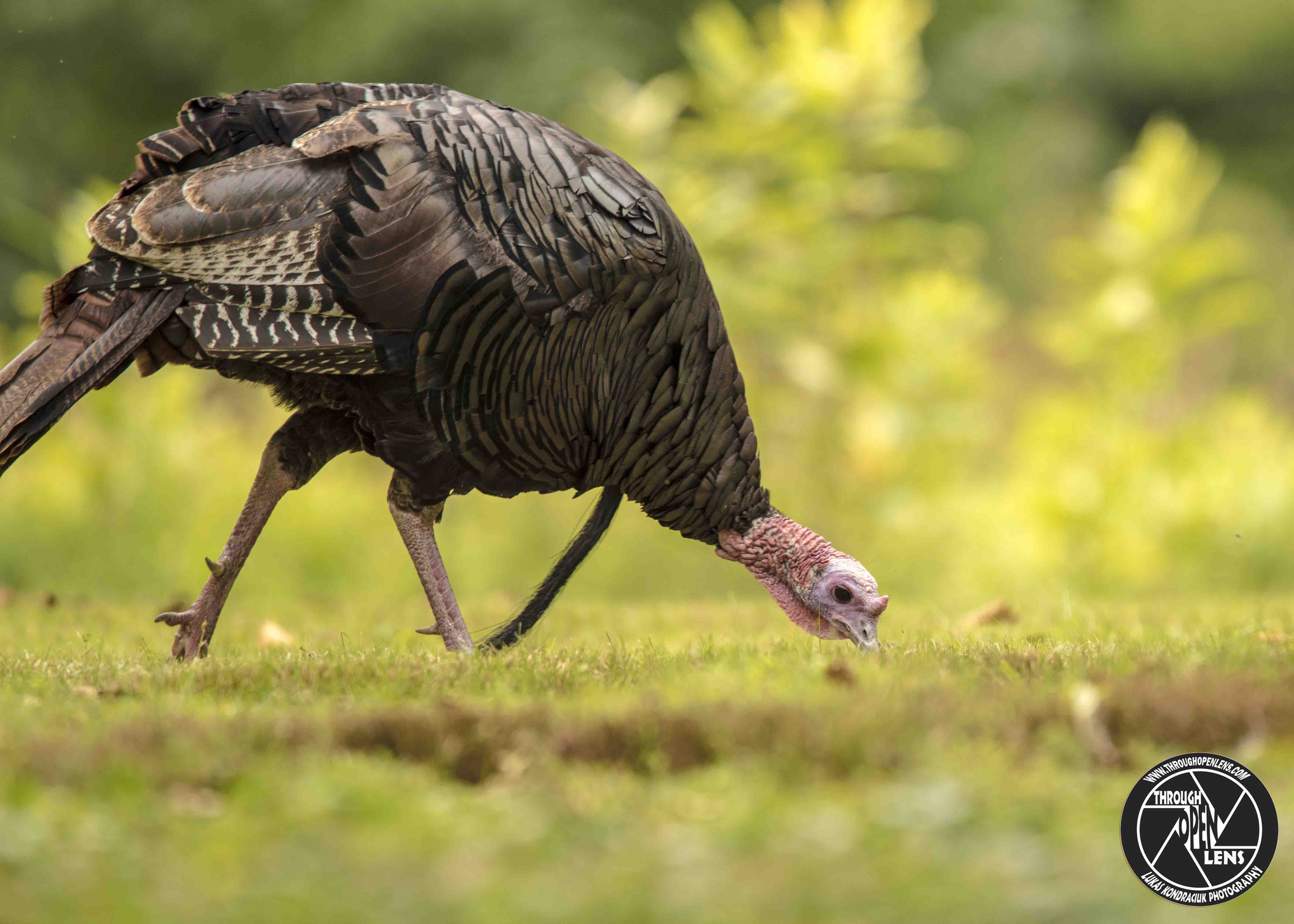
REMEMBER! You Are What You Eat!

HAPPY THANKSGIVING EVERONE!!!

F/7.1, 1/200, ISO 400.

Wild Turkey Female

What did the turkey say to the computer?

Google, Google, Google

Interesting Fact: The female scratches a shallow depression in the soil, about 1 inch deep, 8–11 inches wide, and 9–13 inches long. Wild Turkeys use only the dead leaves or other plant materials already present at the nest site. ( https://www.allaboutbirds.org/guide/Wild_Turkey/lifehistory )


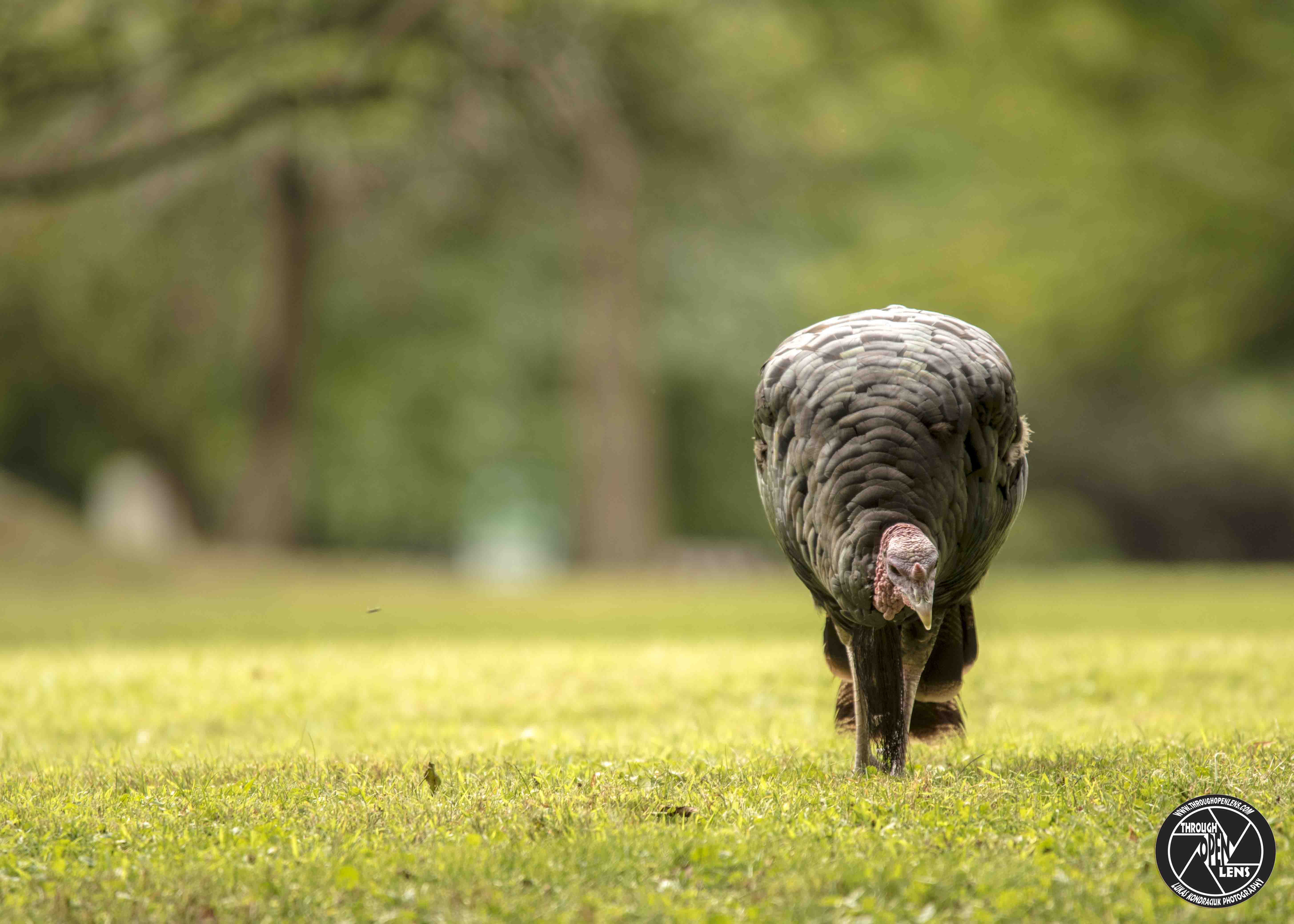
I Am Not A Patient Person

F/7.1, 1/160, ISO 320.

Wild Turkey 

How do you make an egg laugh?

Tell it a yolk.

Interesting Fact: Despite their weight, wild turkeys, unlike their domesticated counterparts, are agile, fast fliers. In ideal habitat of open woodland or wooded grasslands,[20] they may fly beneath the canopy top and find perches. They usually fly close to the ground for no more than 400 m (a quarter mile). ( https://en.wikipedia.org/wiki/Wild_turkey )


You Wanna To Go Bro!

F/7.1, 1/200, ISO 400.

Northern Flickers 

Who do you call when a giant fly attacks the city?

The SWAT team.

Interesting Fact: Nests are generally placed 6-15 feet off the ground, but on rare occasions can be over 100 feet high. Northern Flickers have been known to nest in old burrows of Belted Kingfishers or Bank Swallows. ( https://www.allaboutbirds.org/guide/Northern_Flicker/lifehistory )


Do Not Swallow!

F/13.0, 1/640, ISO 320.

Barn Swallow

What did the blanket say to the bed?

Don’t worry, I’ve got you covered!

Interesting Fact: According to legend, the Barn Swallow got its forked tail because it stole fire from the gods to bring to people. An angry deity hurled a firebrand at the swallow, singeing away its middle tail feathers. ( https://www.allaboutbirds.org/guide/Barn_Swallow/lifehistory )

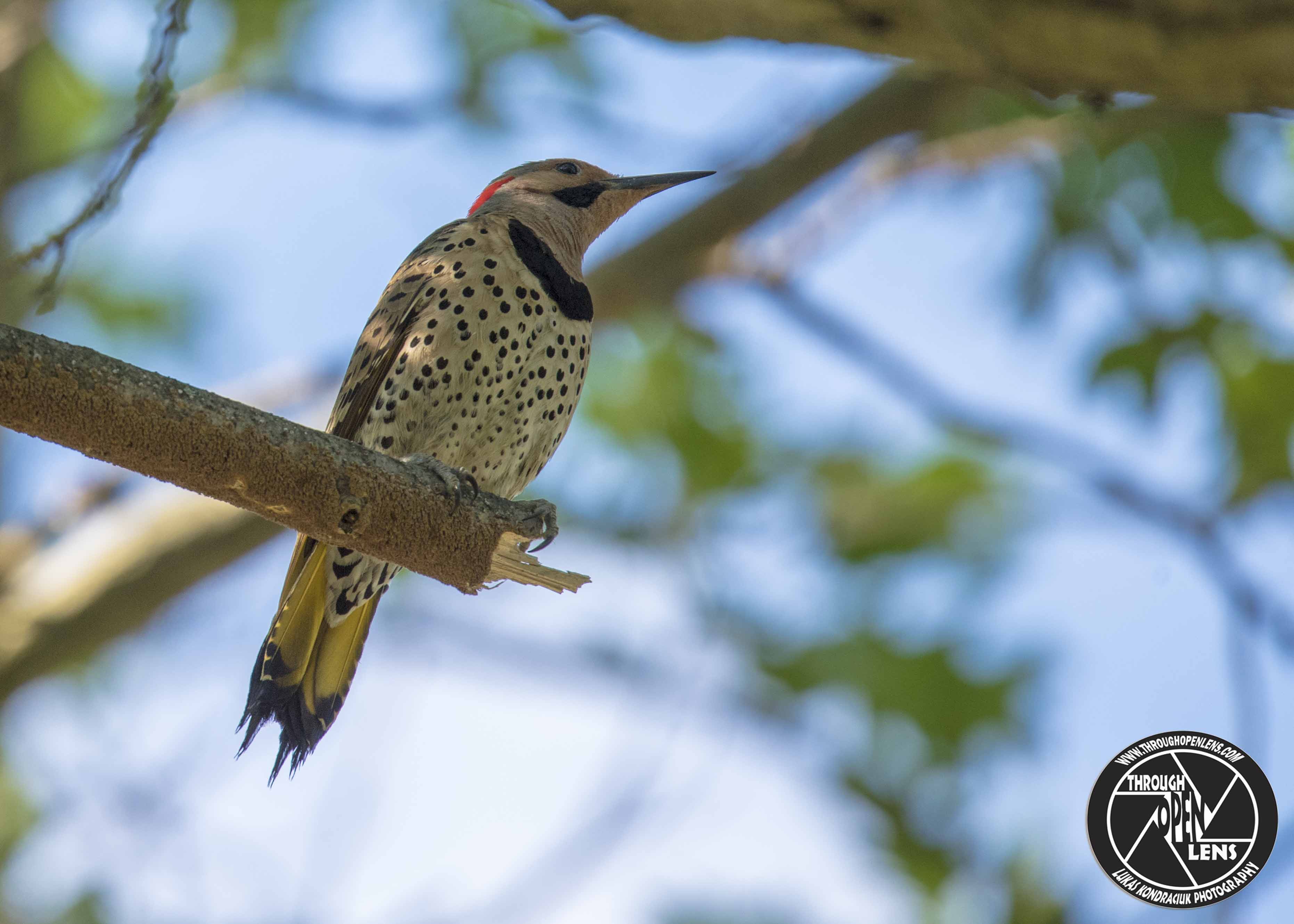
I Have Been Thinking To Buy A Drill.

F/8.0, 1/250, ISO 500.

Northern Flicker 

What is a mattress’ favorite season?

Spring.

Interesting Fact: Northern Flickers usually excavate nest holes in dead or diseased tree trunks or large branches. In northern North America look for nests in trembling aspens, which are susceptible to a heartrot that makes for easy excavation. Unlike many woodpeckers, flickers often reuse cavities that they or another species excavated in a previous year. ( https://www.allaboutbirds.org/guide/Northern_Flicker/lifehistory )