You Surprised Me Like A Shart.

F/6.3, 1/500, ISO 220.

Hooded Merganser ( Female )

Why is chicken soccer match a bad idea?

There are too many fowls.

Interesting Fact: Hooded Merganser ducklings leave their nest cavity within 24 hours of hatching. First, their mother checks the area around the nest and calls to the nestlings from ground level. From inside the nest, the little fluffballs scramble up to the entrance hole and then flutter to the ground, which may be 50 feet or more below them. In some cases they have to walk half a mile or more with their mother to the nearest body of water. ( Hooded Merganser Overview, All About Birds, Cornell Lab of Ornithology )

Let’s Cuddle So I Can Steal Your Body Heat!

F/6.3, 1/500, ISO 250.

Green-Winged Teal

Why do fish live in salt water?

Pepper water would make them sneeze.

Interesting Fact:  Green-winged Teals have closely spaced, comblike projections called lamellae around the inner edge of the bill. They use them to filter tiny invertebrates from the water, allowing the birds to capture smaller food items than other dabbling ducks.( Green-winged Teal Overview, All About Birds, Cornell Lab of Ornithology )


I Can See Your Butt Quack!

F/6.3, 1/500, ISO 250.

Northern Pintail 

Why are celebrities so cool?

They have a lot of fans.

Interesting Fact: Northern Pintails migrate at night at speeds around 48 miles per hour. The longest nonstop flight recorded for a Northern Pintail was 1,800 miles. ( Northern Pintail Overview, All About Birds, Cornell Lab of Ornithology )


Simon Says, Pause!

F/5.3, 1/160, IOS 800.

Great Blue Heron 

What do you call when Batman skips out on church?

Christian Bale.

Interesting Fact: Great Blue Herons have specialized feathers on their chest that continually grow and fray. The herons comb this “powder down” with a fringed claw on their middle toes, using the down like a washcloth to remove fish slime and other oils from their feathers as they preen. Applying the powder to their underparts protects their feathers against the slime and oils of swamps. ( Great Blue Heron Overview, All About Birds, Cornell Lab of Ornithology )


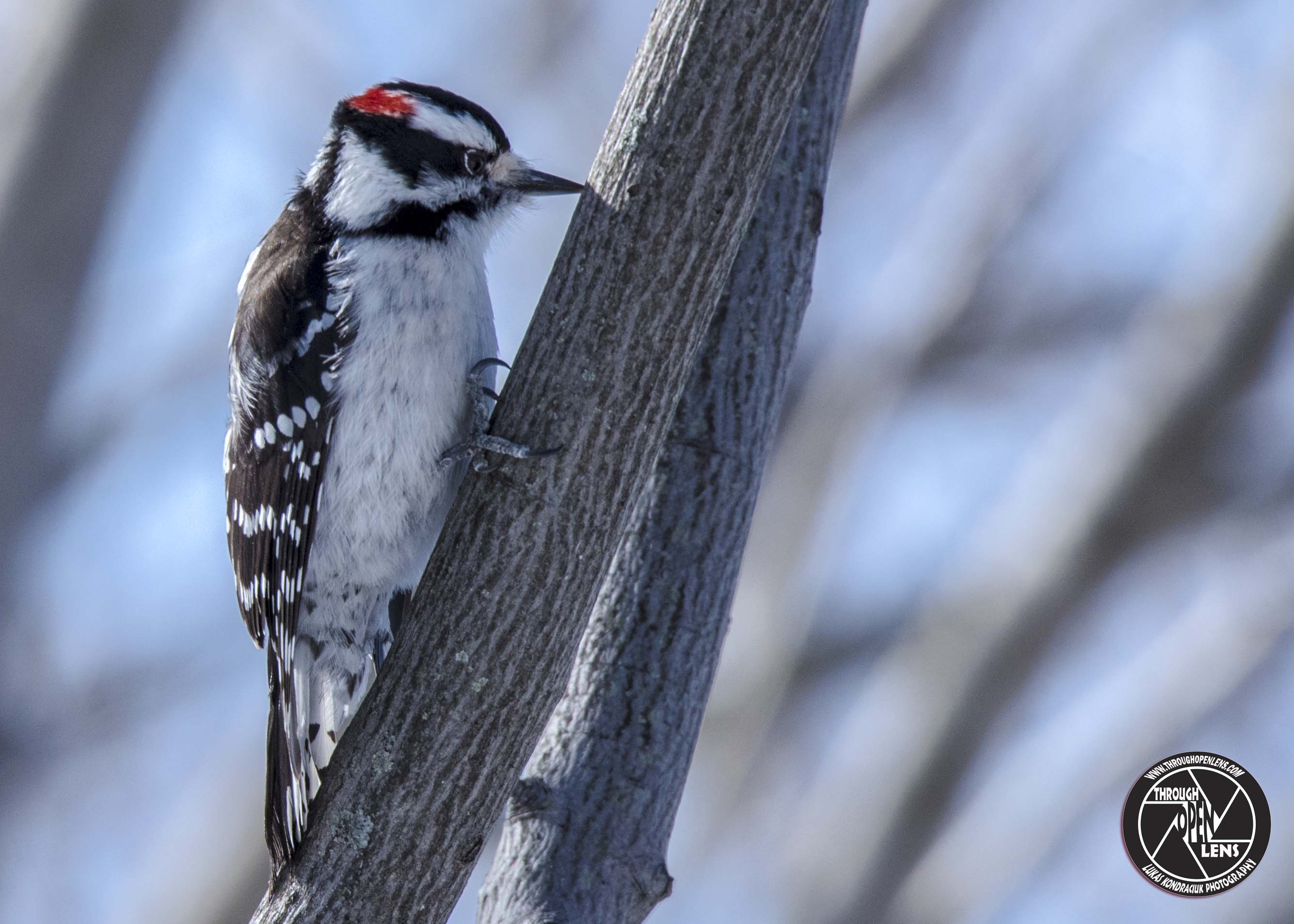
Peck Away!

F/11.0, 1/500, ISO 400.

Downy Woodpecker 

What is harder to catch the faster you run?

Your breath.

Interesting Fact: An active woodpecker that moves quickly over tree trunks, branches, and stems of grasses and wildflowers, characteristically leaning against its stiffened tail feathers for support. Downy Woodpeckers move horizontally and downwards on trees much more readily than most other woodpeckers. ( Downy Woodpecker Life History, All About Birds, Cornell Lab of Ornithology )


We Get Frequent Flyer Points

F/10.0, 1/400, ISO 200.

Brown Pelicans

What did the bra say to the hat?

You go on a head, and I’ll give these two a lift.

Interesting Fact: During a dive, the Brown Pelican tucks its head and rotates its body to the left. This maneuver is probably to cushion the trachea and esophagus—which are found on the right side of the neck—from the impact. ( https://www.allaboutbirds.org/guide/Brown_Pelican )

If You Can’t Tone It Tan It

F/11.0, 1/500, ISO 250.

Hispaniolan slider

Why did the turtle cross the road?

To get to the shell station!

Interesting Fact:  The Hispaniolan slider is a freshwater turtle. They can live on land and water, but prefer to be near freshwater.[3] These sliders are not on the endangered list, but are considered vulnerable. ( https://en.wikipedia.org/wiki/Hispaniolan_slider )

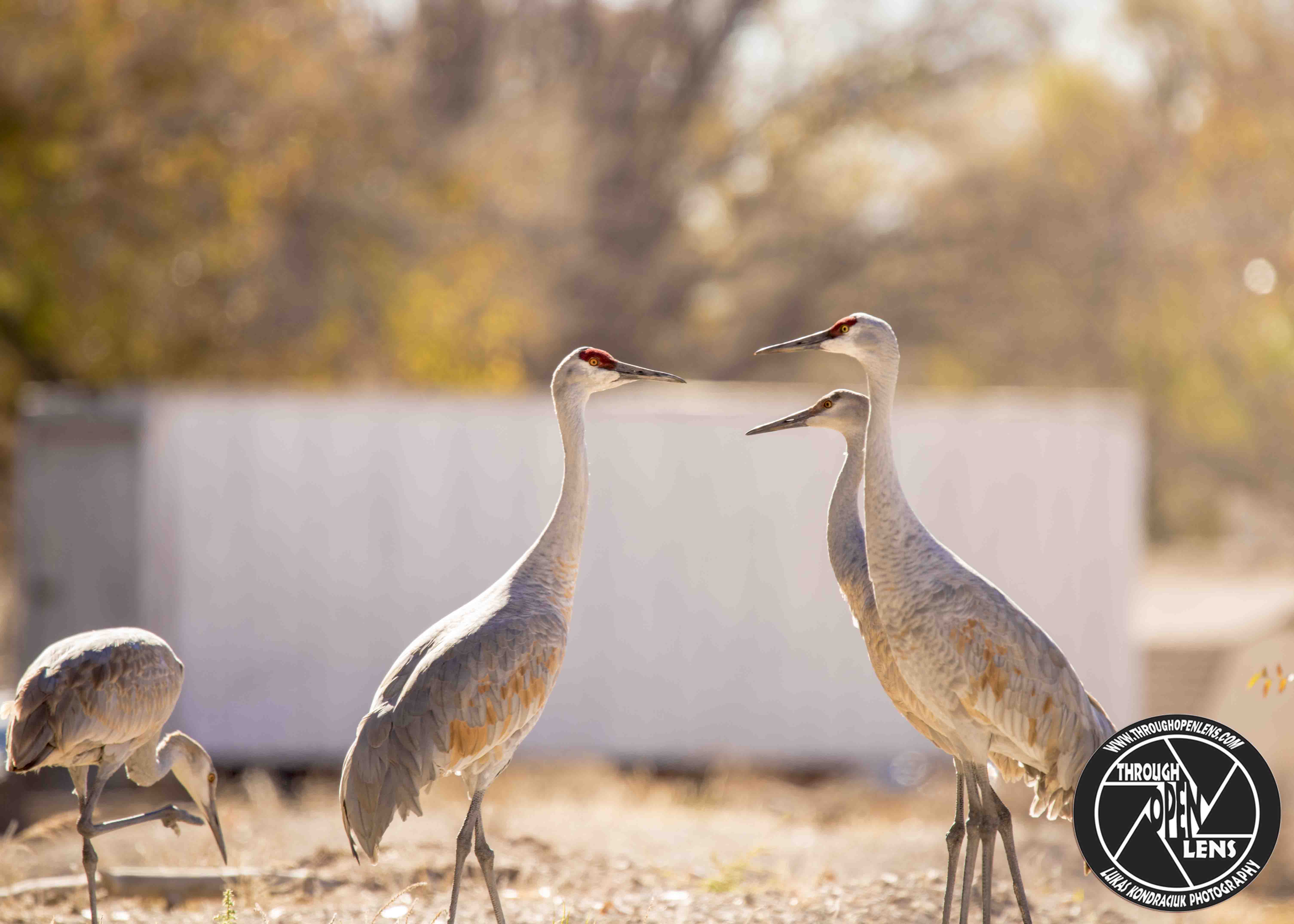
Hey Bro! Want To Have A Staring Contest?!

F/8.0, 1/250, ISO 200.

Sandhill Crane

What did the tie say to the hat?

You go on ahead and I’ll hang around.

Interesting Fact: The elegance of cranes has inspired people in cultures all over the world—including the great scientist, conservationist, and nature writer Aldo Leopold, who wrote of their “nobility, won in the march of aeons.”  ( https://www.allaboutbirds.org/guide/Sandhill_Crane/ )

I Don’t Give A Fox!

F/6.3, 1/20, ISO 400.

Red Fox

What did one shark say to the other after eating a clown fish?

“Not only does it look funny, but it tastes funny too.”

Interesting Fact: Red foxes live around the world in many diverse habitats including forests, grasslands, mountains, and deserts. They also adapt well to human environments such as farms, suburban areas, and even large communities. The red fox’s resourcefulness has earned it a legendary reputation for intelligence and cunning. ( https://www.nationalgeographic.com/animals/mammals/r/red-fox/ )

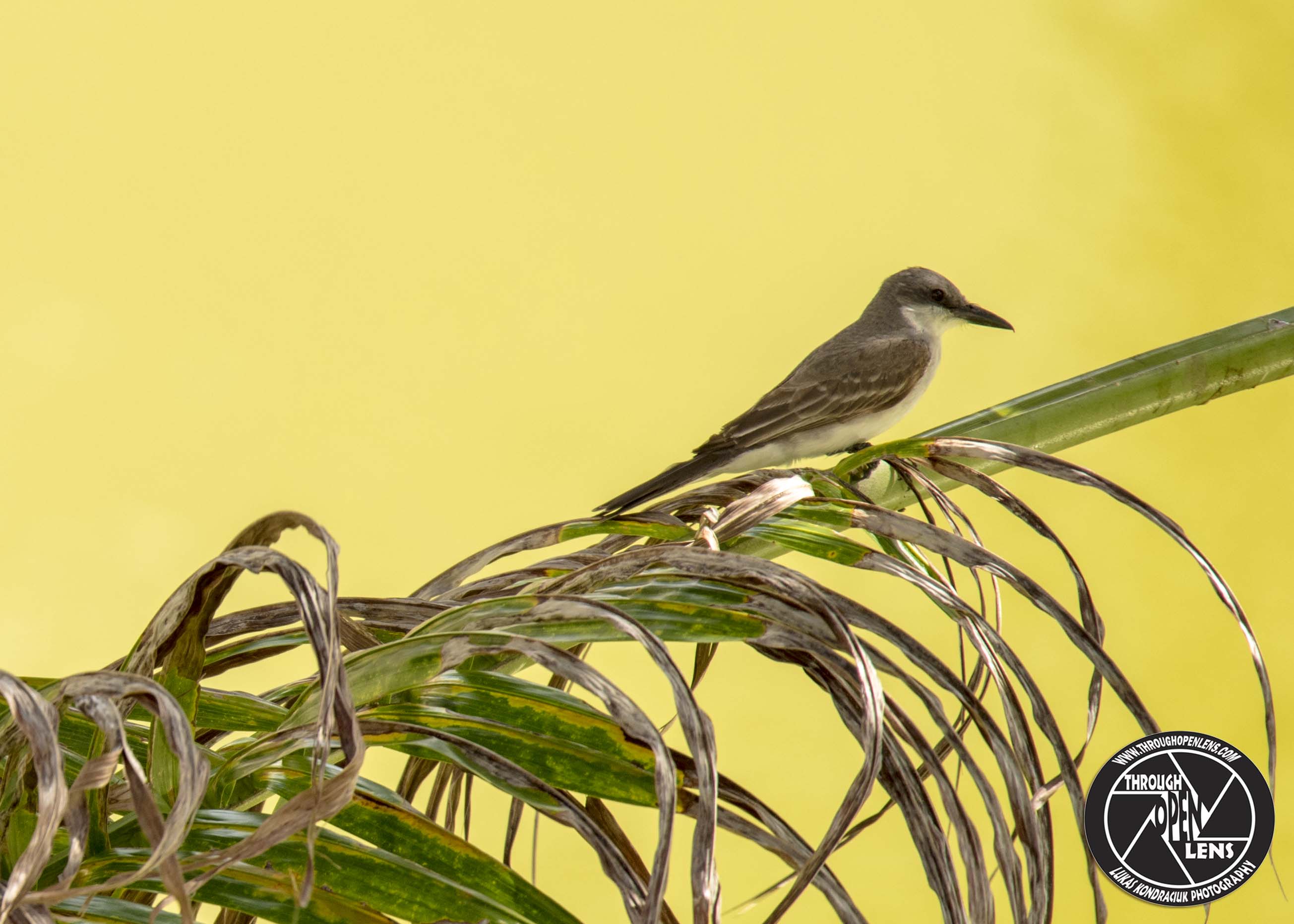
If Being Awesome Was A Crime, I’d Be Serving A Life Sentence!

F/8.0, 1/250, ISO 250.

Gray Kingbird

Where do most zombies live?

On DEAD end streets!

Interesting Fact: Like other kingbirds, these birds aggressively defend their territory against intruders, including mammals and much larger birds such as caracaras, red-tailed hawks and broad-winged hawks. ( https://en.wikipedia.org/wiki/Gray_kingbird )