Hi I Exist!

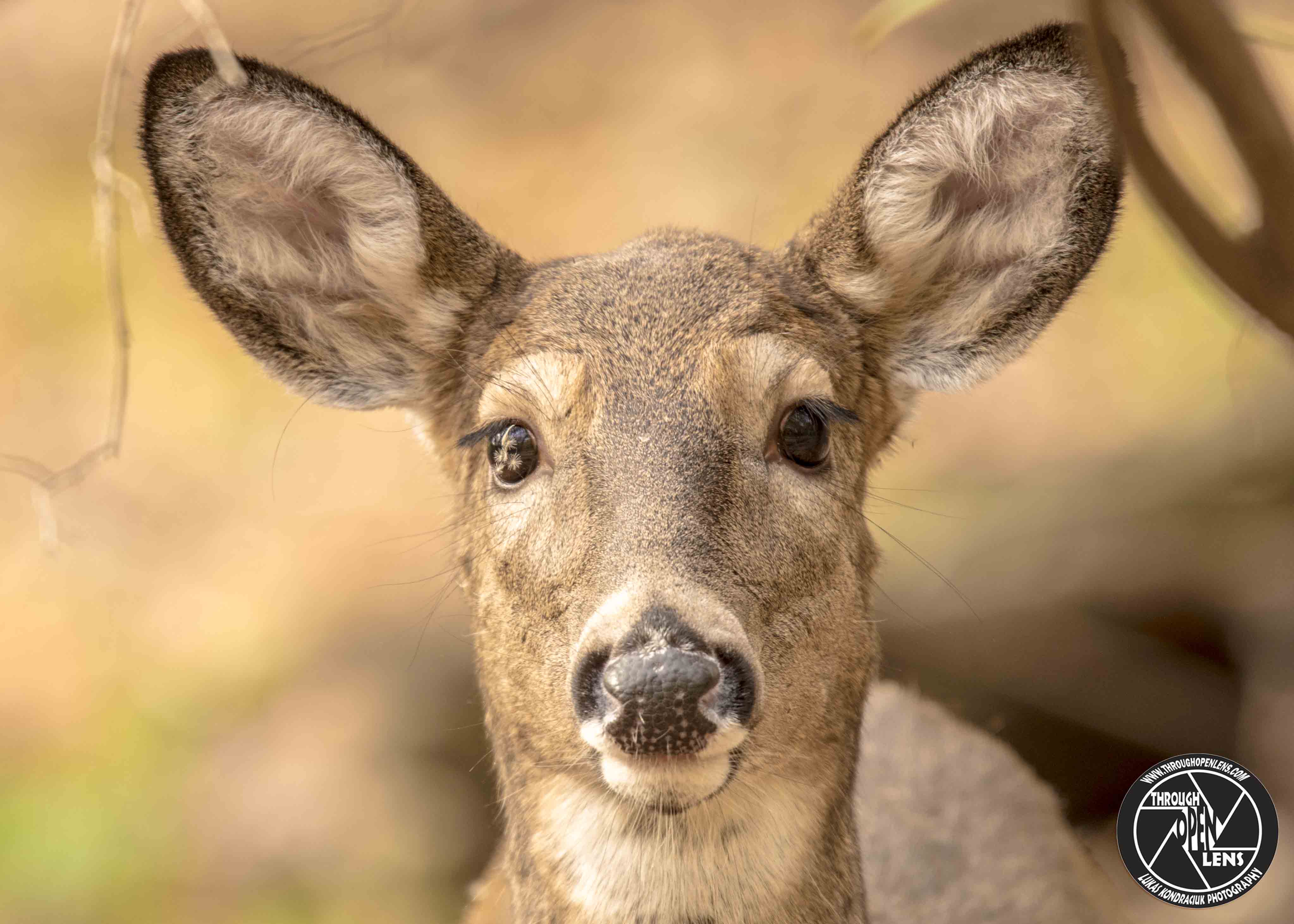
F/6.3, 1/80, ISO400.

White-Tailed Deer

Who won the skeleton beauty contest?

Nobody.

Interesting Fact: The conversion of land adjacent to the Canadian Rockies into agriculture use and partial clear-cutting of coniferous trees (resulting in widespread deciduous vegetation) has been favorable to the white-tailed deer and has pushed its distribution to as far north as Yukon. Populations of deer around the Great Lakes have also expanded their range northwards, due to conversion of land to agricultural uses favoring more deciduous vegetation, and local caribou and moose populations. The westernmost population of the species, known as the Columbian white-tailed deer, once was widespread in the mixed forests along the Willamette and Cowlitz River valleys of western Oregon and southwestern Washington, but today its numbers have been considerably reduced, and it is classified as near-threatened. This population is separated from other white-tailed deer populations. ( https://en.wikipedia.org/wiki/White-tailed_deer )

 

Baby It’s Cold Outside!

F/8.0,1/250, ISO 400.

Northern Cardinal Male 

Why did Scrooge keep a pet lamb?

Because it would say, “Baaaaahh humbug!”

Interesting Fact: Look for Northern Cardinals in dense shrubby areas such as forest edges, overgrown fields, hedgerows, backyards, marshy thickets, mesquite, regrowing forest, and ornamental landscaping. Cardinals nest in dense foliage and look for conspicuous, fairly high perches for singing. Growth of towns and suburbs across eastern North America has helped the cardinal expand its range northward. ( https://www.allaboutbirds.org/guide/Northern_Cardinal/lifehistory )


Whatchoo Wanna Do Tonight?!

F/5.6, 1/500, ISO 280

Turkey Vulture

Why do birds fly south in the fall?

Because it’s too far to walk.

Interesting Fact: The Turkey Vulture’s distinctive slow, teetering flight style probably helps the bird soar at low altitudes, where it is best able to use its nose to find carrion. At other times they may soar high on thermals and form mixed flocks or kettles. On the ground they move with ungainly hops and are less agile than Black Vultures. ( https://www.allaboutbirds.org/guide/Turkey_Vulture/lifehistory )

I Can See Your Butt Quack!

F/6.3, 1/500, ISO 250.

Northern Pintail 

Why are celebrities so cool?

They have a lot of fans.

Interesting Fact: Northern Pintails migrate at night at speeds around 48 miles per hour. The longest nonstop flight recorded for a Northern Pintail was 1,800 miles. ( Northern Pintail Overview, All About Birds, Cornell Lab of Ornithology )


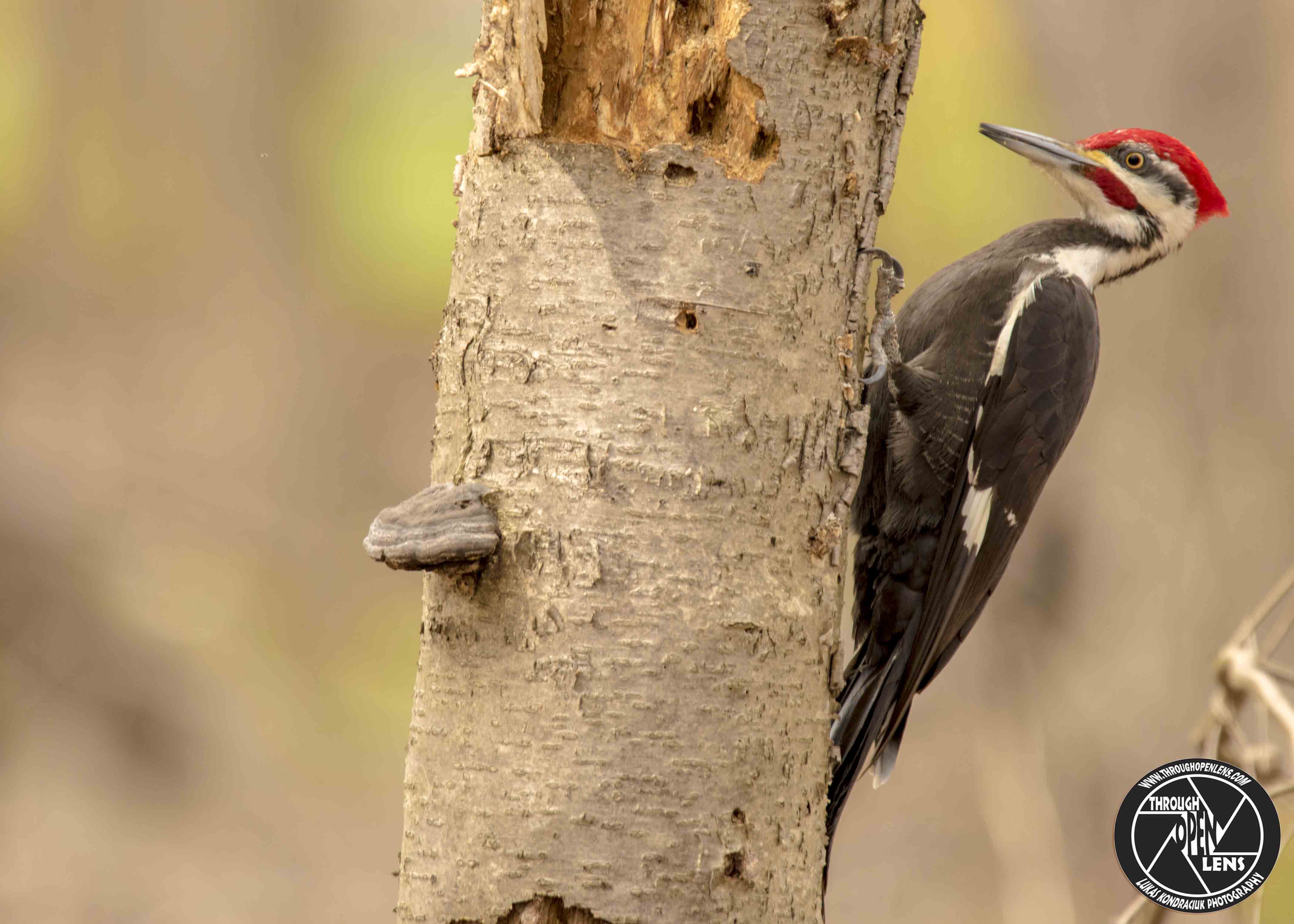
CAUTION! Headbanging In Progress!

F/6.3, 1/125, ISO 320.

Pileated Woodpecker 

What does a house wear?

Address.

Interesting Fact: Pileated Woodpeckers forage in large, dead wood—standing dead trees, stumps, or logs lying on the forest floor. They make impressive rectangular excavations that can be a foot or more long and go deep inside the wood. These holes pursue the tunnels of carpenter ants, the woodpecker’s primary food. ( Pileated Woodpecker Life History, All About Birds, Cornell Lab of Ornithology )

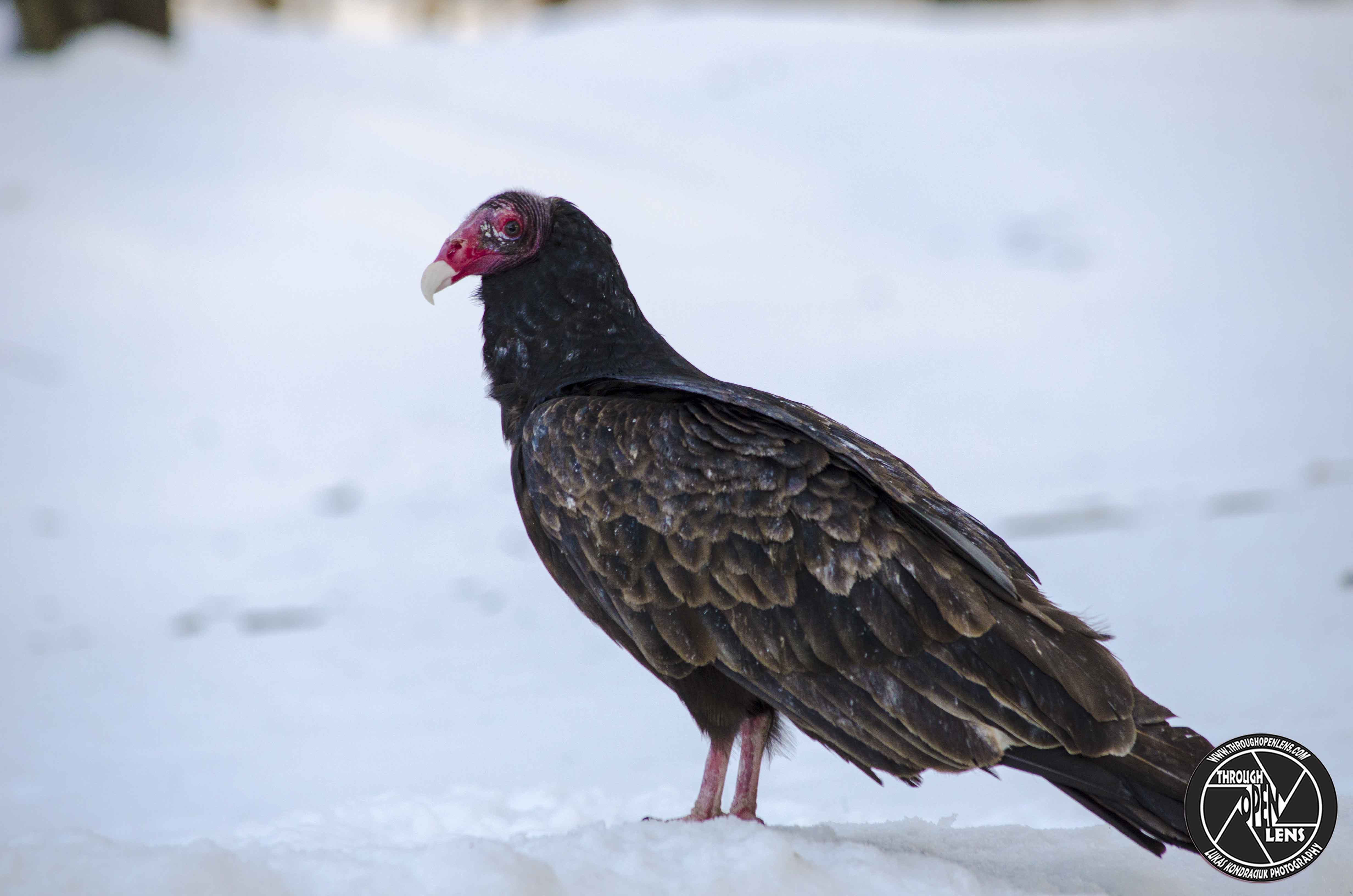
Wazzaap!

F/6.3, 1/145, ISO640.

Turkey Vulture ( Juvenile )

Why are hairdressers never late for work?

Because they know all the short cuts!

Interesting Fact: Outside of the breeding season, Turkey Vultures form roosts of dozens to a hundred individuals. When Turkey Vultures court, pairs perform a “follow flight” display where one bird leads the other through twisting, turning, and flapping flights for a minute or so, repeated over periods as long as 3 hours. Migrating flocks can number in the thousands. At carcasses, several Turkey Vultures may gather but typically only one feeds at a time, chasing the others off and making them wait their turn. Despite their size, Turkey Vultures are often driven off by smaller Black Vultures, Crested Caracaras, Zone-tailed Hawks, and other species. ( https://www.allaboutbirds.org/guide/Turkey_Vulture/lifehistory )

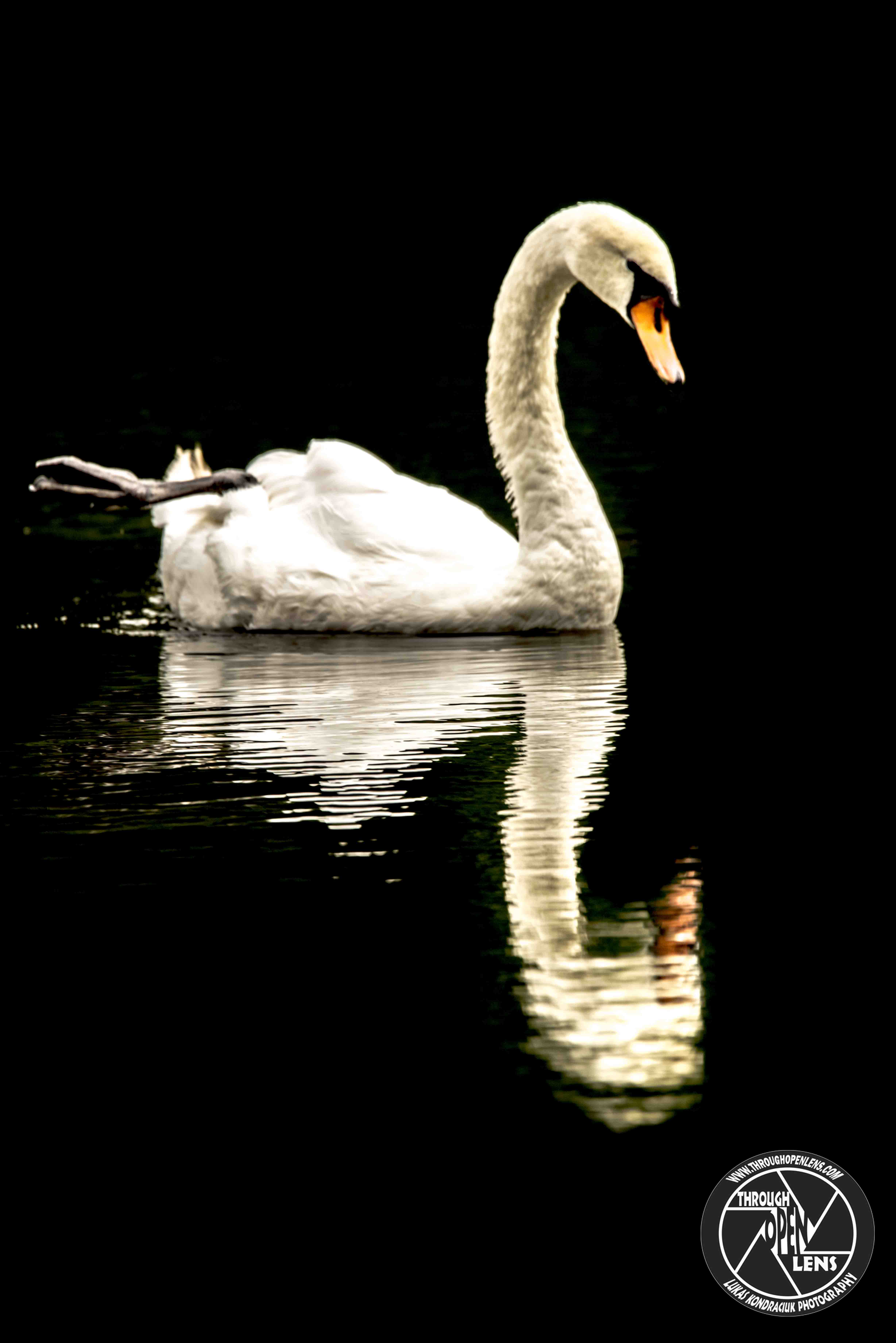
The Darkness That Surrounds Us Cannot Hurt Us. It Is The Darkness In Your Own Heart You Should Fear.

F/9.0, 1/320, ISO 320.

Mute Swan

Why did The Joker have to sleep with his lights on?

Because he was afraid of the Dark Knight.

Interesting Fact: Short legs placed well back on the body give Mute Swans an awkward walking gait, but the birds can run quickly if pursued and can take off from land and water, flying with head and neck extended. On the water they sometimes hold their wings slightly raised and “sail” with the wind. ( https://www.allaboutbirds.org/guide/Mute_Swan/lifehistory )

I Might Be Too Punk Rock For You.

F/ 7.1, 1/200, ISO 1600.

Pileated Woodpecker 

When is it bad luck to be followed by a black cat?

When you’re a mouse.

Interesting Fact: When hammering into this soft wood, Pileated Woodpeckers use their long necks to pull far back from the tree, then make powerful strikes with their heavy bills, pulling with their feet to increase the strength of the blow. The sound is often audible as a heavy thunk, and large chips of wood collect on the ground below. ( https://www.allaboutbirds.org/guide/Pileated_Woodpecker/lifehistory )

Let Me Play In The Mud!

F/7.1, 1/200, ISO 160.

Semipalmated Sandpiper

What is the difference between erotic and kinky?

Erotic is using a feather… kinky is using the whole chicken.

Interesting Fact: Their breeding habitat is the southern tundra in Canada and Alaska near water. They nest on the ground. The male makes several shallow scrapes; the female chooses one and adds grass and other material to line the nest. The female lays 4 eggs; the male assists in incubation. After a few days, the female leaves the young with the male; the young feed themselves. ( https://en.wikipedia.org/wiki/Semipalmated_sandpiper )


Only The Bold Get To The Top.

F/8.0, 1/250, ISO 320.

Red-Eared Slider Turtles

Why did the nurse go to art school?

To learn how to draw blood!

Interesting Fact: Red-eared sliders are almost entirely aquatic, but as they are cold-blooded, they leave the water to sunbathe to regulate their temperature. ( https://en.wikipedia.org/wiki/Red-eared_slider )