Todays Post Has Been Brought To You By The Letter “S”.

F/10.0, 1/400, ISO 400.

Great Egret

What do lawyers wear to court?

Lawsuits!

Interesting Fact: The Great Egret walks with its neck extended and its wings held close to its body. In flight, it is graceful and buoyant, with its neck tucked back against its shoulders and its legs trailing behind. ( http://www.allaboutbirds.org/guide/great_egret/lifehistory )
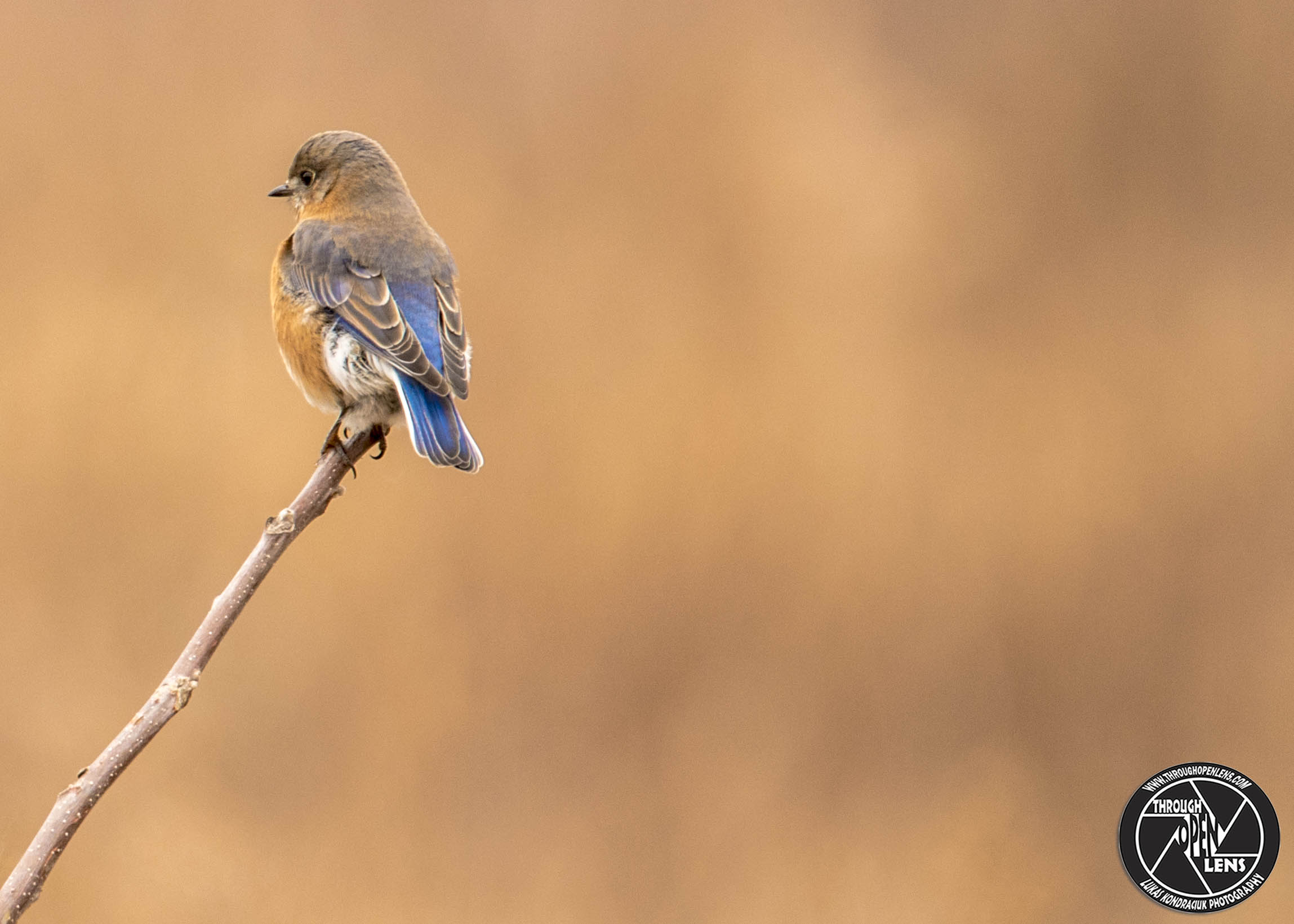
I Am Going Bananas. Thats What I Say To My Bananas Before I Leave The House.

F/7.1, 1/200, ISO 400.

Eastern Bluebird

What did the penny say to the other penny?

We make perfect cents.

Interesting Fact: Eastern Bluebirds eat mostly insects, wild fruit and berries. Occasionally, Eastern Bluebirds have also been observed capturing and eating larger prey items such as shrews, salamanders, snakes, lizards and tree frogs.  ( https://www.allaboutbirds.org/guide/Eastern_Bluebird# )

I Have A Headache!

downy-woodpecker-4

F/8.0, 1/250, ISO 320.

Downy Woodpecker

Why did Adele cross the road?

To sing, “Hello from the other side!”

 Interesting Fact: Downy Woodpeckers have been discovered nesting inside the walls of buildings. ( https://www.allaboutbirds.org/guide/Downy_Woodpecker/lifehistory )

Well I’m going down, down, down, down, down, down.

mallard-landing

F/6.0, 1/500, ISO 360.

Mallard  

A Ham sandwich walks into a bar and asks the bartender for a drink.

The bartender says, “Sorry we don’t serve food.”

Interesting Fact:  The Mallard is the ancestor of nearly all domestic duck breeds (everything except the Muscovy Duck). Domestic ducks can be common in city ponds and can be confusing to identify—they may lack the white neck ring, show white on the chest, be all dark, or show oddly shaped crests on the head. ( https://www.allaboutbirds.org/guide/Mallard/lifehistory )

Please Keep Off The Grass!

F/8.0, 1/250, ISO 400.

Northern Flicker

What can you hold without ever touching it?

A conversation.

Interesting Fact: The red-shafted and yellow-shafted forms of the Northern Flicker formerly were considered different species. The two forms hybridize extensively in a wide zone from Alaska to the panhandle of Texas. A hybrid often has some traits from each of the two forms and some traits that are intermediate between them. The Red-shafted Flicker also hybridizes with the Gilded Flicker, but less frequently. ( https://www.allaboutbirds.org/guide/Northern_Flicker )

But I’m A Creep!

F/8.0, 1/250, ISO 320.

Brown Creeper

Why was Cinderella thrown off the basketball team?

She ran away from the ball.

Interesting Fact: Brown Creepers burn an estimated 4–10 calories (technically, kilocalories) per day, a tiny fraction of a human’s daily intake of about 2,000 kilocalories. By eating a single spider, a creeper gains enough energy to climb nearly 200 feet vertically. ( https://www.allaboutbirds.org/guide/Brown_Creeper )

Whose TERN Is This Anyway?

F/ 5.6, 1/500, ISO 100.

Caspian Tern

Why did the cookie go to the hospital?

Because he felt crummy.

Interesting Fact: The Caspian Tern aggressively defends its breeding colony. It will pursue, attack, and chase potential predatory birds, and can cause bloody wounds on the heads of people who invade the colony. The entire colony will take flight, however, when a Bald Eagle flies overhead, exposing the chicks to predation from gulls. ( https://www.allaboutbirds.org/guide/Caspian_Tern/overview )

Peek A Boo, I See You!

F/7.1, 1/200, ISO 160.

Green Heron

Patient: “Doctor, I’ve broken my arm in several places”

Doctor: “Well don’t go to those places.”

Interesting Fact: Each breeding season, Green Herons pair up with one mate apiece, performing courtship displays that include stretching their necks, snapping their bills, flying with exaggerated flaps, and calling loudly. They often nest solitarily, although they may join colonies with other Green Herons or with other species. They defend breeding areas from each other and from birds like crows and grackles that prey on their nests. Other predators include snakes and raccoons. ( https://www.allaboutbirds.org/guide/Green_Heron/lifehistory )

When Fears Are Grounded Dreams Take Flight

F/13.0, 1/640, ISO 320.

Ruby-throated Hummingbird

Where do you learn how to make ice cream?

Sundae School

Interesting Fact: The Ruby-throated Hummingbird beats its wings about 53 times a second. ( https://www.allaboutbirds.org/guide/Ruby-throated_Hummingbird  )

Don’t Look At My Hole!

F/9.0, 1/320, ISO 160.

Hispaniolan Woodpecker

Why aren’t there any shark puppeteers?

They have no hands!

Interesting Fact: This woodpecker forages in small noisy groups; the diet is varied and includes insects, spiders, scorpions, lizards, fruit, seeds, grain and sap. It can catch flying insects on the wing, and larger food items are bashed on an “anvil” to break them up. ( https://en.wikipedia.org/wiki/Hispaniolan_woodpecker )