Quack Head!

F/6.3, 1/1000, ISO 400.

Bufflehead

Why did the scientist take out his doorbell?

He wanted to win the no-bell prize.

Interesting Fact: The oldest Bufflehead on record was at least 18 years and 8 months old. It was caught and re-released by a bird bander in New York in 1975. ( https://www.allaboutbirds.org/guide/Bufflehead/lifehistory )

.

But Officer, I’ve Never Been Able To Walk A Straight Line.

F/5.6, 1/280, ISO 500.

Atlantic Ghost Crab

Why is there only one Yogi Bear?

Because when they tried to make another one, they made a Boo-Boo.

Interesting Fact: Crabs of this species usually engage in a combat that is non-contact. The combat style is more ritualistic in style and ends in contact in very rare cases. ( https://www.animalspot.net/ghost-crab-sand-crab.html )


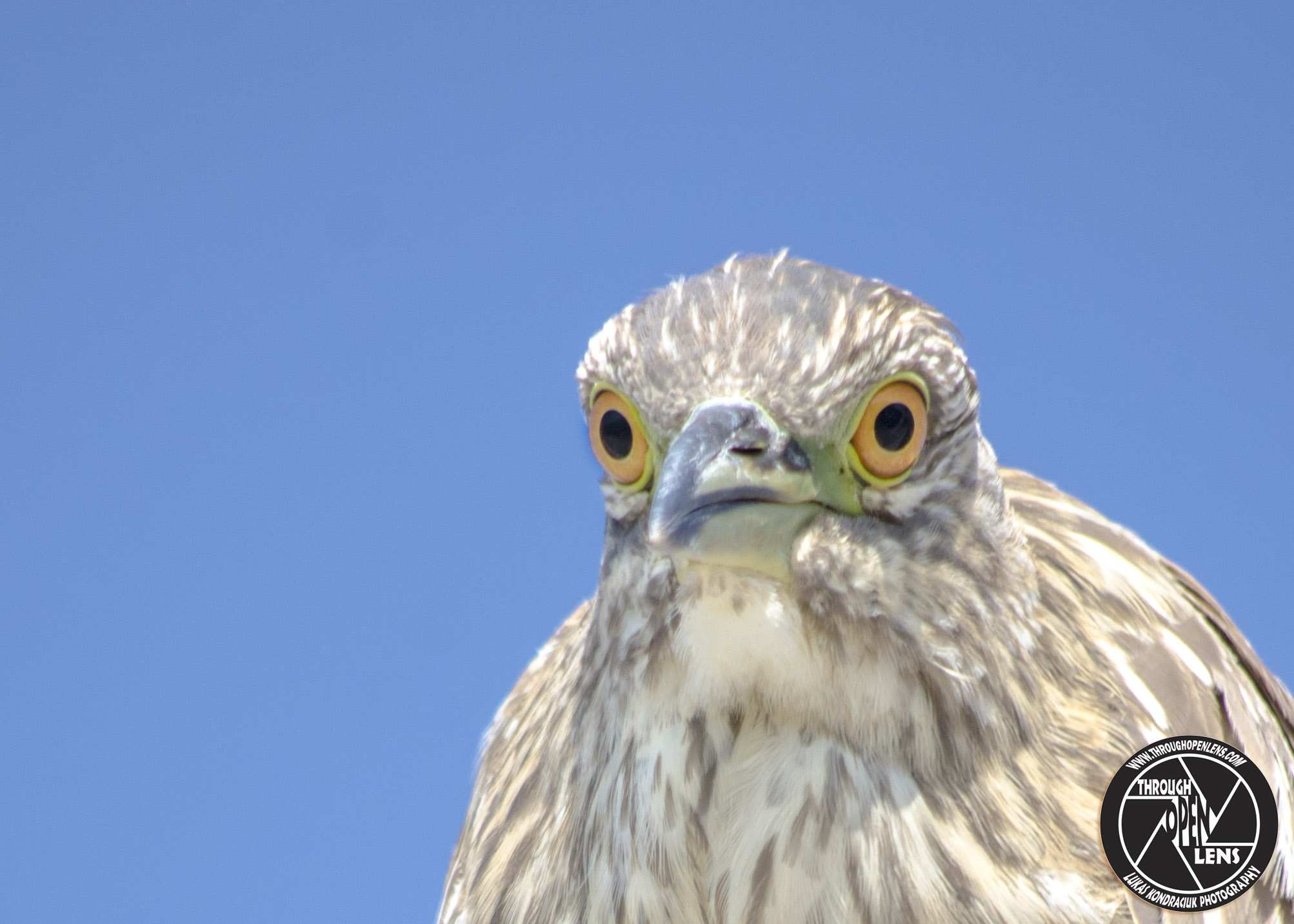
Look Into My Eyes!

F/6.3, 1/640, ISO 200.

Black-crowned Night-Heron

What did a tree fighting with autumn say?

That’s it, I’m leaving.

Interesting Fact: The male chooses a nest site in a tree or in cattails—usually in a habitat safe from predators such as on an island, in a swamp, or over water—and then advertises for a female. Black-crowned Night-Herons nest colonially, often with a dozen nests in a single tree. Colonies sometimes last for 50 years or more. ( https://www.allaboutbirds.org/guide/Black-crowned_Night-Heron/lifehistory )


Are You Talking To Me?!

northern-cardinal-4

F/6.3, 1/250, ISO 450.

Northern Cardinal

What did little Tom’s mother do when she caught him zapping the other children with static electricity?

She grounded him.

Interesting Fact: The oldest recorded Northern Cardinal was a female, and was 15 years, 9 months old when she was found in Pennsylvania. ( https://www.allaboutbirds.org/guide/Northern_Cardinal/lifehistory )

I Am Not Proud Of What I Did

Happy Halloween!

F/ 6.3, 1/125, ISO 1600.

Peregrine Falcon

Why do ghosts like to ride in elevators?

It raises their spirits.

Interesting Fact: Peregrine Falcons are very strong fliers and often reported to be the fastest bird in the world. Their average cruising flight speed is 24 to 33 mph, increasing to 67 mph when in pursuit of prey. When stooping, or dropping on prey with their wings closed, it’s been calculated that Peregrine Falcons can achieve speeds of 238 mph. One researcher studied trained Peregrine Falcons while skydiving and described their body position while diving at 150 mph and 200 mph. ( https://www.allaboutbirds.org/guide/Peregrine_Falcon/lifehistory )

Don’t Be Afraid To Stick Your Neck Out!

F/9.0, 1/320, ISO 100.

Mute Swan

What did one potato chip say to the other?

Shall we go for a dip?

Interesting Fact: Short legs placed well back on the body give Mute Swans an awkward walking gait, but the birds can run quickly if pursued and can take off from land and water, flying with head and neck extended. On the water they sometimes hold their wings slightly raised and “sail” with the wind. Mute Swans are predominantly monogamous and form long-lasting breeding pairs. They are extremely aggressive in defending their breeding territory. ( https://www.allaboutbirds.org/guide/Mute_Swan/lifehistory )

I Forgot My Swimsuit!

F/5.6, 1/500, ISO 200.

Horned Grebe

What do you get when you’re on you hands and knees?

You get very dirty.

Interesting Fact: A sleeping or resting Horned Grebe puts its neck on its back with its head off to one side and facing forward. It keeps one foot tucked up under a wing and uses the other one to maneuver in the water. Having one foot up under a wing makes it float with one “high” side and one “low” side. (https://www.allaboutbirds.org/guide/Horned_Grebe/overview# ).


Just Like The Seasons, People Have The Ability To Change

F/5.6, 1/125, ISO 280

What did one autumn leaf say to another?

I’m falling for you.

Interesting Fact: Fall is a peak migration time for many species of birds. During autumn, birds will fly to other areas seeking more hospitable climates. The Arctic tern journeys about 11,000 miles each way for its annual migration. That is like going all the way across the United States about three and a half times. ( http://www.richmond.com/life/celebrations/article_aa9e91de-402a-11e4-8c0f-001a4bcf6878.html )

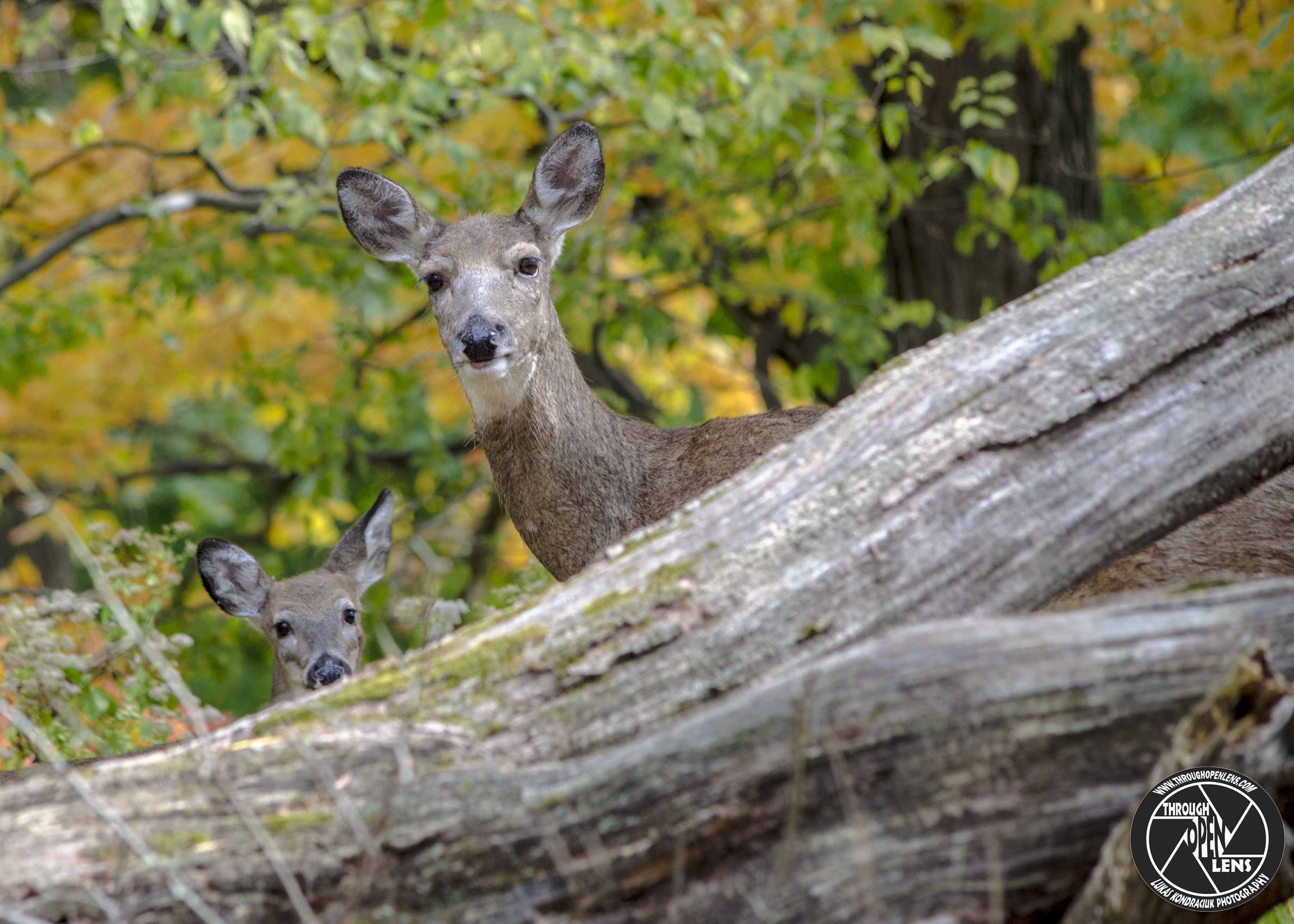
Sometimes They Come Back Again!

F/5.0, 1/250, ISO 400.

White-Tailed Deer

Where do old bowling balls end up?

In the gutter!

Interesting Fact: The fawn is also weaned by the time it loses its spots. By November the average whitetail male fawn will weigh close to 80 to 85 pounds, and the female fawn will weigh 75 to 80 pounds. As the spots disappear, the fawn’s coat also changes from its reddish color to a grayish winter coat. The buck fawn’s face grows a bit darker in color but the belly remains white. ( http://www.the-whitetail-deer.com/whitetail-deer-fawns.html )


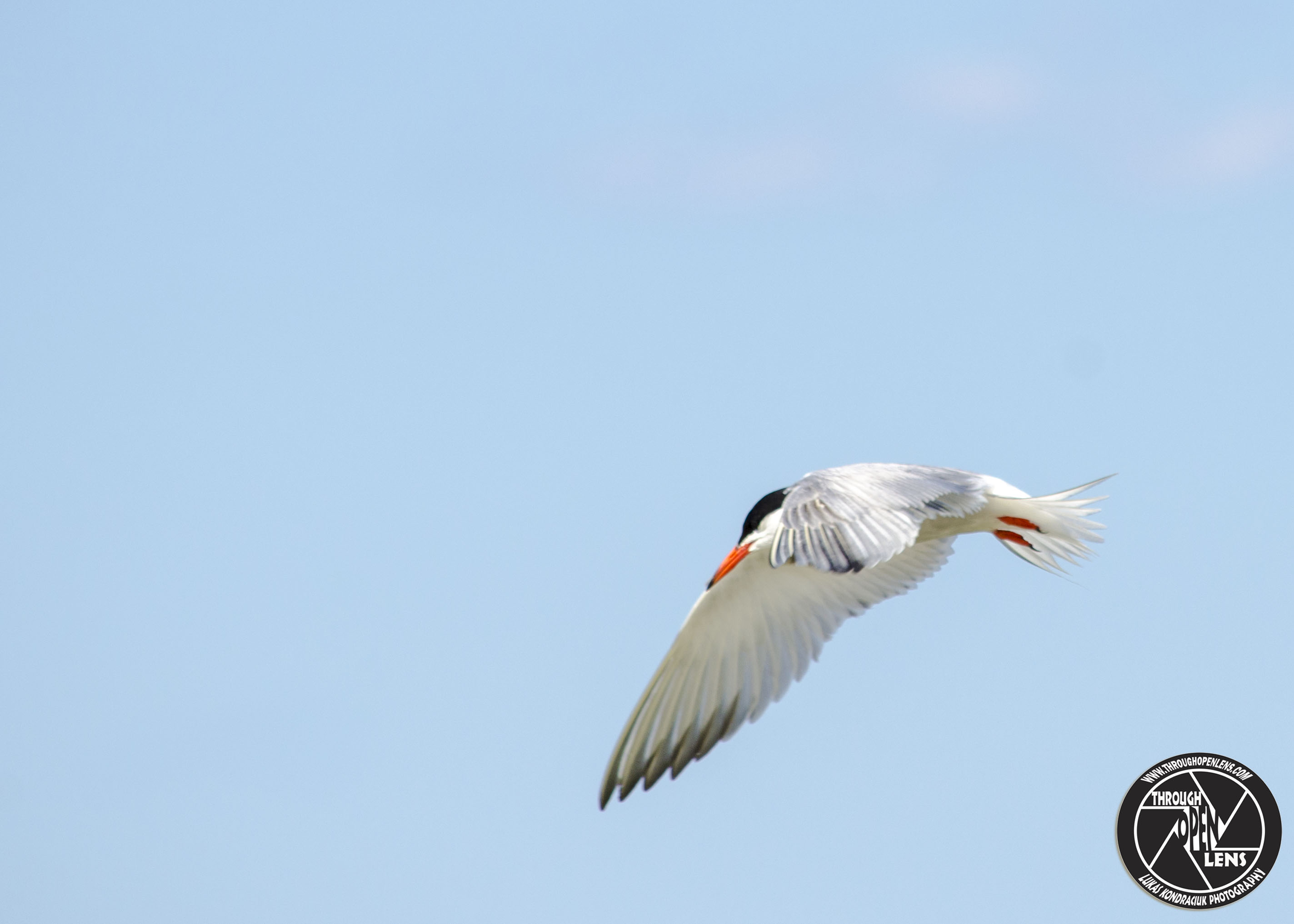
F.L.Y. ( First Love Yourself )

F/7.1, 1/800, ISO 200.

Common Tern

Why do you always see teen girls in groups of three?

Because they literally can’t even.

Interesting Fact: Males and females make a small scrape on the ground. Females add dead vegetation that has washed onshore, shell fragments, bones, stones, and sometimes plastic to the nest scrape before and after laying eggs.  ( https://www.allaboutbirds.org/guide/Common_Tern/lifehistory )