I Like This Head Bang Sh*t!

F/13.0, 1/640, ISO 320.

Red-Bellied Woodpecker

Why did the football coach go back to the bank?

To get his quarterback!

Interesting Fact: For birds that nest in cavities, nest holes are precious turf. Red-bellied Woodpeckers have been known to take over the nests of other birds, including the much smaller (and endangered) Red-cockaded Woodpecker. But more often they’re victims to the aggressive European Starling. As many as half of all Red-bellied Woodpecker nests in some areas get invaded by starlings. ( https://www.allaboutbirds.org/guide/Redbellied_Woodpecker/lifehistory )

Surround Yourself With People Who Get You.

F/ 5.6, 1/500, ISO 250.

Elegant Tern

What did one eyeball say to the other eyeball?

Between you and me something smells.

Interesting Fact: The Elegant Tern was first found nesting in the United States in 1959 in San Diego Bay, California. Since the 1980s, several more colonies have been established in California. ( https://www.allaboutbirds.org/guide/Elegant_Tern/lifehistory )


Do Not Swallow!

F/13.0, 1/640, ISO 320.

Barn Swallow

What did the blanket say to the bed?

Don’t worry, I’ve got you covered!

Interesting Fact: According to legend, the Barn Swallow got its forked tail because it stole fire from the gods to bring to people. An angry deity hurled a firebrand at the swallow, singeing away its middle tail feathers. ( https://www.allaboutbirds.org/guide/Barn_Swallow/lifehistory )

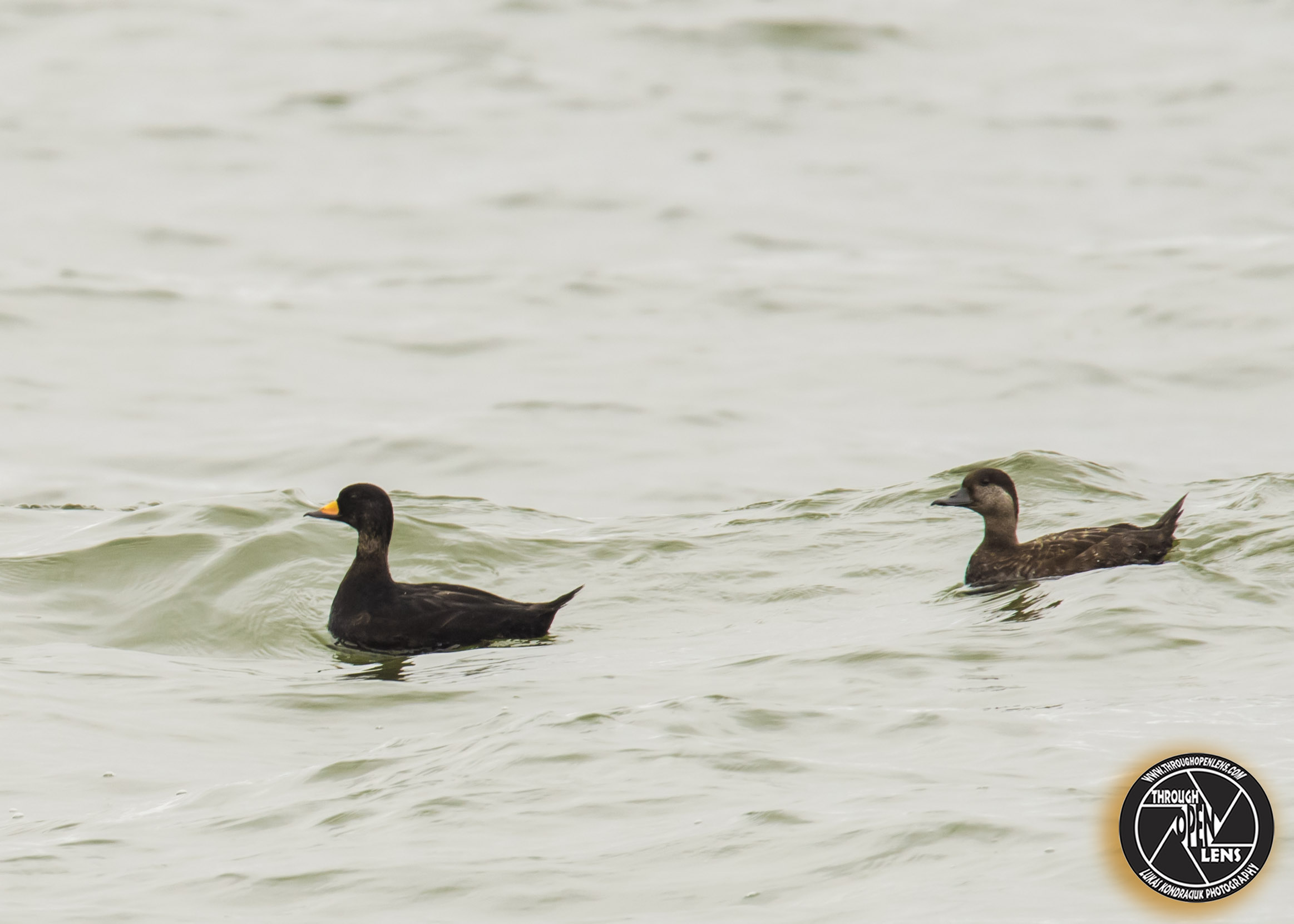
Keep Calm And Quack Quack!

F/11.0, 1/500, ISO 500.

Black Scoter

Mother: What did you learn in school today

Son: How to write.

Mother: What did you write?

Son: I don’t know, they haven’t taught us how to read yet!

Interesting Fact: The Black Scoter is divided into two subspecies. In the form found in Europe, the “Common Scoter,” the male has a larger swollen knob at the base of the upper bill that is black on the sides with a yellow stripe on top, not entirely yellow. ( https://www.allaboutbirds.org/guide/Black_Scoter/lifehistory )


Hee That Loves The Tree, Loves The Branch.

F/7.1, 1/200, ISO 1000.

Green Heron

What do you call an alligator in a vest?

An Investigator

Interesting Fact: Like many herons, the Green Heron tends to wander outside of its breeding range after the nesting season is over. Most of the wanderers stay nearby as they search for good feeding habitat, but some travel long distances. Individuals have turned up as far away as England and France. ( https://www.allaboutbirds.org/guide/Green_Heron/lifehistory )

I Only Have Crazy Eyes For You!

F/9.0, 1/320, ISO 320.

Northern Mockingbird 

Why don’t witches like to ride their brooms when they’re angry?

They’re afraid of flying off the handle!

Interesting Fact:  The Northern Mockingbird frequently gives a “wing flash” display, where it half or fully opens its wings in jerky intermediate steps, showing off the big white patches. No one knows why it does this, but it may startle insects, making them easier to catch. On the other hand, it doesn’t often seem to be successful, and different mockingbird species do this same display even though they don’t have white wing patches.  ( https://www.allaboutbirds.org/guide/Northern_Mockingbird/lifehistory )

Sitting Like A King

F/13.0, 1/640, ISO 320.

Eastern Kingbirds

Why does a dog stay in a shadow.

Because it doesn’t want to be a Hotdog.

Interesting Fact: Kingbirds sometimes catch small frogs, treating them the same way they deal with large insects: beating them against a perch and swallowing them whole. Eastern Kingbirds apparently rely almost completely on insects and fruit for moisture; they are rarely seen drinking water. ( https://www.allaboutbirds.org/guide/Eastern_Kingbird/lifehistory )


Today’s Forecast Calling For A 90% Chance Of Swamp-Ass.

F/6.3, 1/160, ISO 800.

Great Egret

Why did the lady quit her job at the orange juice factory?

She couldn’t concentrate.

Interesting Fact: Males choose the display areas, where nests are later constructed. The nest itself is up to 100 feet off the ground, often over water, usually in or near the top of a shrub or tree such as a redwood, tamarisk, live oak, eastern redcedar, yaupon holly, wax myrtle, mangrove, Australian pine, buttonwood, Brazilian pepper, black willow, or privet. Great Egrets occasionally nest on the ground or on artificial platforms. ( https://www.allaboutbirds.org/guide/Great_Egret/lifehistory )

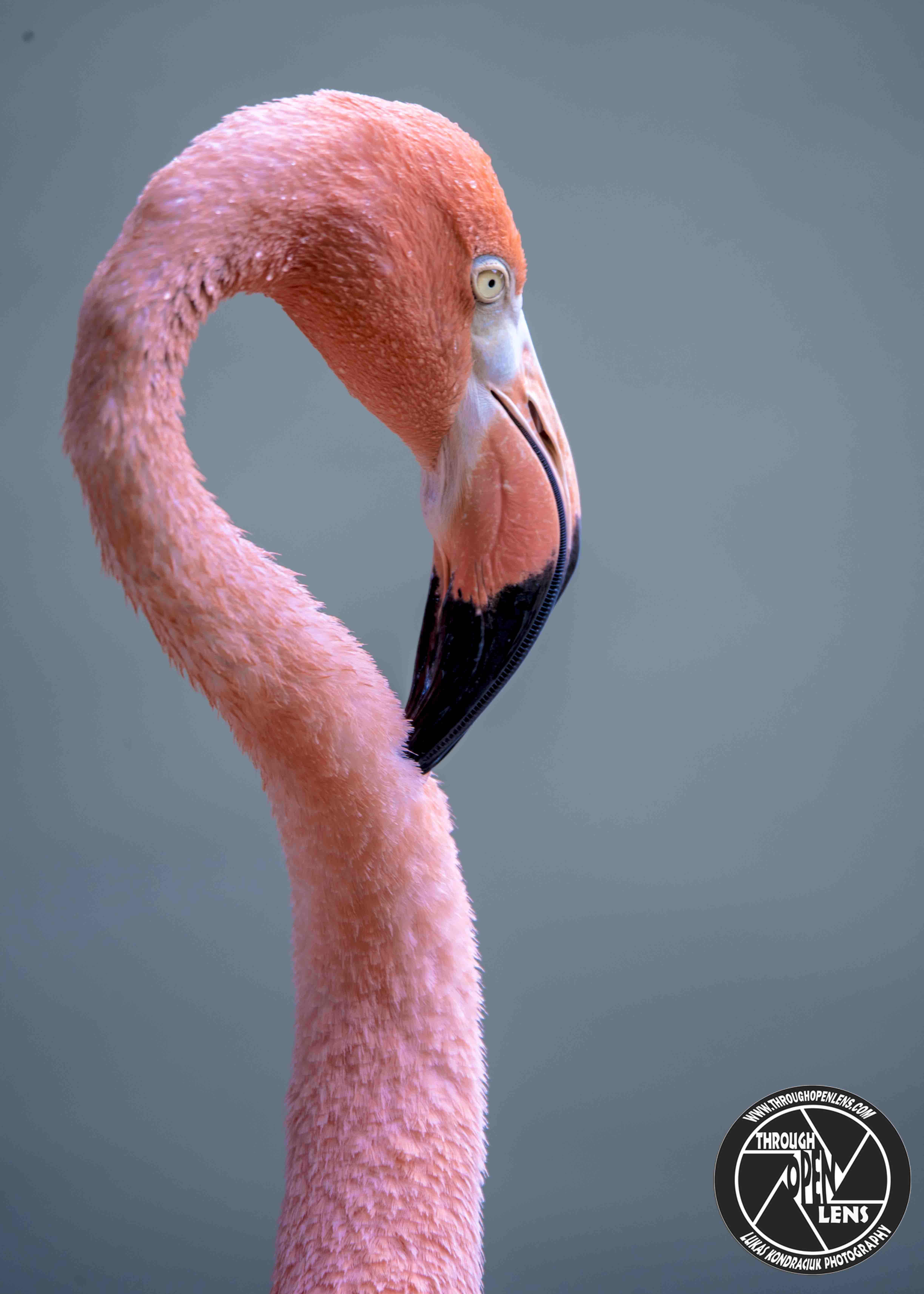
So Much On My Mind It’s A Wonder My Neck Doesn’t Snap.

F/6.3, 1/50, ISO 200.

American Flamingo 

What did one hat say to the other?

You stay here, I’ll go on a head.

Interesting Fact: The American flamingo has adapted to its shallow-water environment in several ways. It has evolved long legs and large webbed feet to wade and stir up the bottom of the water bed to bring up their food source to then be retrieved. To feed, it has evolved a specialized beak which is hooked downward and features marginal lamellae on the upper mandible, and inner and outer lamellae on both the upper and lower mandibles. These are adapted for filtering out differently sized food from water.[16] Depending on the food source in their area, diets depend on the exact morphology of their beaks on what can and cannot be strained out of them. It submerges its head under water to retrieve its food, and may have its head under water for long times, which requires it to hold its breath. Factors which affect the habitat choice of American flamingos are environmental temperatures, water depth, food source, accessibility of an area, and the presence of vegetation beds in feeding areas. If available food items do not meet the needs of the flamingos or the temperature is not appropriate to their requirements, they move to a better feeding or more temperate area. ( https://en.wikipedia.org/wiki/American_flamingo )

That’s Not A Wild Goose Chase. That’s Bingo.

F/7.1, 1/200, ISO 400.

Domestic Geese in Wild

Which two letters in the alphabet are always jealous?

NV.

Interesting Fact: In Europe, northern Africa, and western Asia, the original domesticated geese are derived from the greylag goose Anser anser. In eastern Asia, the original domesticated geese are derived from the swan goose Anser cygnoides; these are commonly known as Chinese geese. Both have been widely introduced in more recent times, and modern flocks in both areas (and elsewhere, such as Australia and North America) may consist of either species, and/or hybrids between them. Chinese geese may be readily distinguished from European geese by the large knob at the base of the bill, though hybrids may exhibit every degree of variation between them. ( https://en.m.wikipedia.org/wiki/Domestic_goose )