I Might Look Like I’m Doing Nothing, But In My Head I’m Quite Busy.

F/7.1, 1/200, ISO 150.

Green Heron

Why did the dog sit in the shade?

Because he didn’t want to be a hot dog!

Interesting Fact:  The male begins building the nest before pairing up to breed, but afterward passes off most of the construction to his mate. As the male gathers long, thin sticks, the female shapes them into a nest 8–12 inches across, with a shallow depression averaging less than 2 inches deep. The nest varies from solid to flimsy, and has no lining. ( https://www.allaboutbirds.org/guide/Green_Heron/lifehistory )
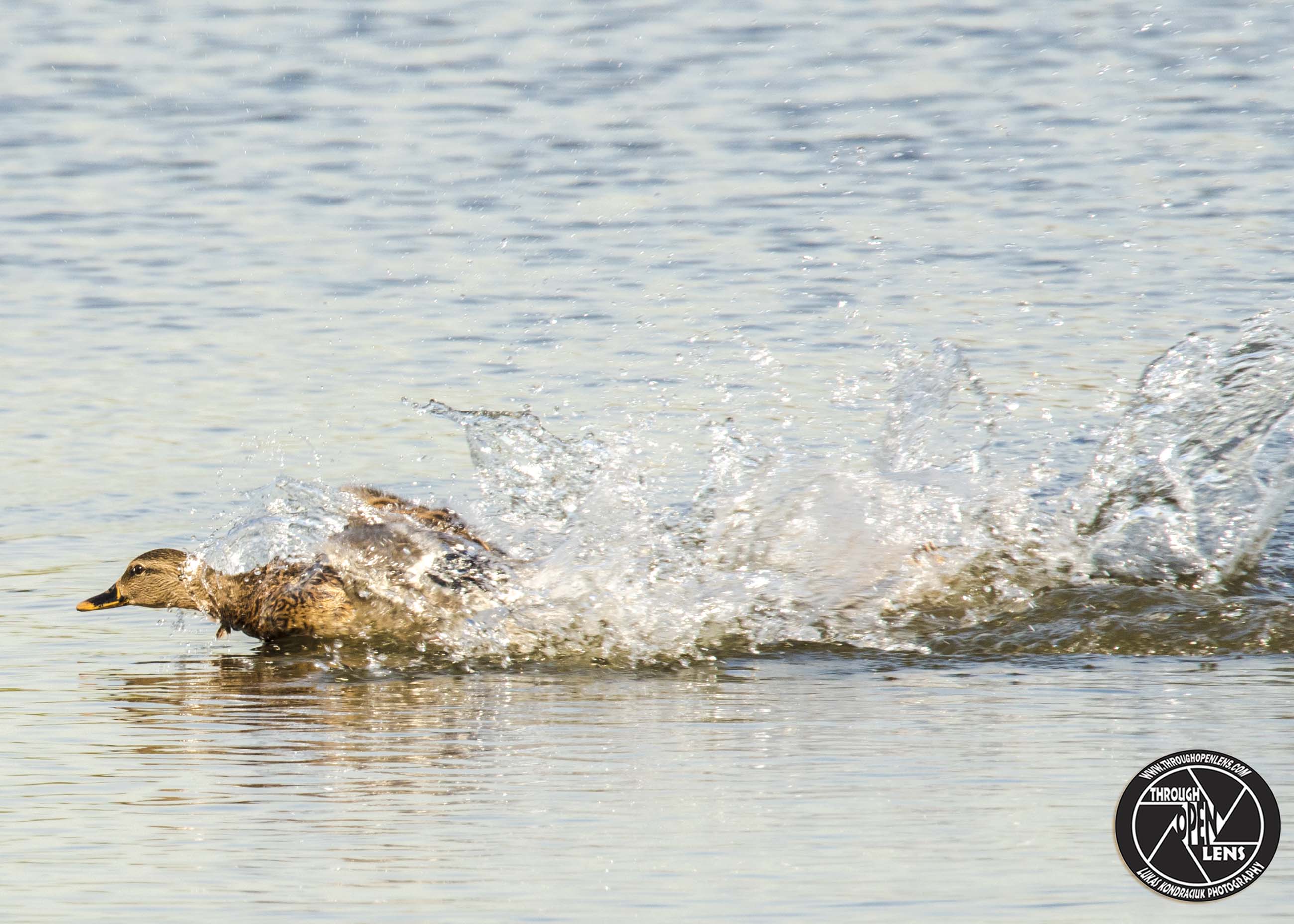
 

Motorboating Is My Thing!

F/11.0, 1/500, ISO 250.

Mallard Female

Which day of the week do chickens hate most?

Fry-day!

Interesting Fact: The female forms a shallow depression or bowl on the ground in moist earth. She does not carry material to the nest but rather pulls vegetation she can reach toward her while sitting on nest. During egg-laying phase, she lines the nest with grasses, leaves, and twigs from nearby. She also pulls tall vegetation over to conceal herself and her nest. ( https://www.allaboutbirds.org/guide/Mallard/lifehistory )

Chillin Like A Villain

F/11.0, 1/500, ISO 320.

Red-winged Blackbird ( Adult Female  )

What does a crying ghost say?

Boo-Hoo

Interesting Fact:  Females build the nests by winding stringy plant material around several close, upright stems and weaving in a platform of coarse, wet vegetation. Around and over this she adds more wet leaves and decayed wood, plastering the inside with mud to make a cup. ( https://www.allaboutbirds.org/guide/Red-winged_Blackbird/lifehistory )

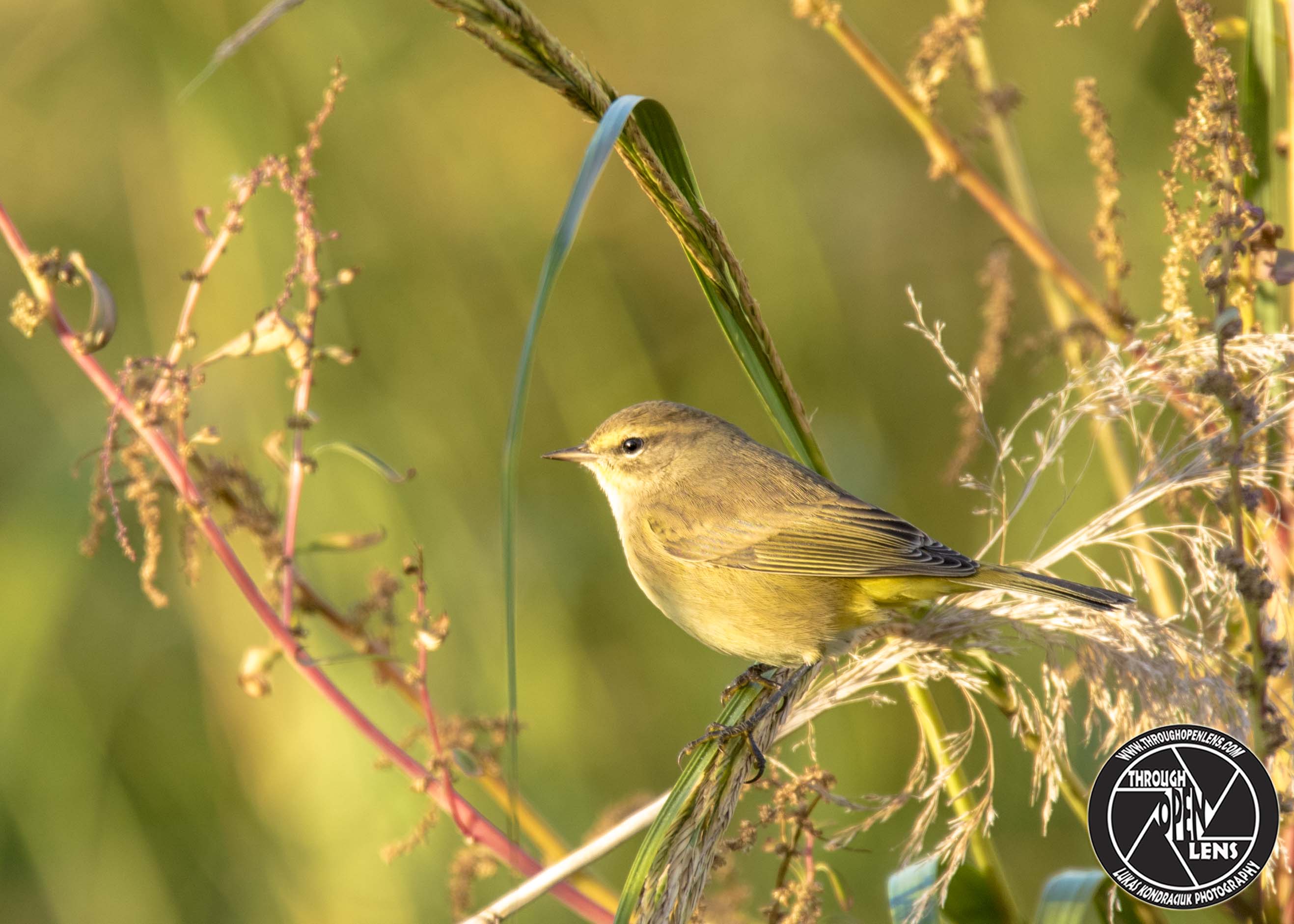
When You’re Thinking That I’m Thinking Of You, I’m Thinking You’re Thinking Of Me.

F/7.1, 1/200, ISO 320.

Yellow-Rumped Warbler

An invisible man marries an invisible woman.

The kids were nothing to look at either.

Interesting Fact: Females build the nest, sometimes using material the male carries to her. The nest is a cup of twigs, pine needles, grasses, and rootlets. She may also use moose, horse, and deer hair, moss, and lichens. She lines this cup with fine hair and feathers, sometimes woven into the nest in such a way that they curl up and over the eggs. The nest takes about 10 days to build. It’s 3-4 inches across and about 2 inches tall when finished. ( https://www.allaboutbirds.org/guide/Yellow-rumped_Warbler/lifehistory )

Ain’t No Thang Like A Duck Wing!

F/8.0, 1/250, ISO 200.

American Black Duck

Why did the Skeleton go to the movies by himself?

He had no body to go with him.

Interesting Fact:  Pleistocene fossils of American Black Ducks, at least 11,000 years old, have been unearthed in Florida and Georgia. ( https://www.allaboutbirds.org/guide/American_Black_Duck/lifehistory  )

I May Look Like I’m Having Deep Thoughts, But Really I Need To Fart.

F/13.0, 1/640, ISO 400.

Semipalmated Sandpiper

Why do scuba divers fall backwards into the water?

Because if they fell forwards they’d still be in the boat.

Interesting Fact:  Semipalmated Sandpipers from eastern populations probably undertake nonstop transoceanic flights of 3,000 – 4,000 km (1,900 – 2,500 mi) from New England and southern Canada to South America, powered by extensive fat reserves. ( https://www.allaboutbirds.org/guide/Semipalmated_Sandpiper/lifehistory )


Gone Fishing!

F/11.0, 1/500, ISO 125.

Osprey

What did the fish say when he posted bail?

“I’m off the hook!”

Interesting Fact:  The Osprey is the only hawk on the continent that eats almost exclusively live fish. In North America, more than 80 species of live fresh- and saltwater fish account for 99 percent of the Osprey’s diet. Captured fish usually measure about 6–13 inches in length and weigh one-third to two-thirds of a pound. The largest catch on record weighed about 2.5 pounds.  (  https://www.allaboutbirds.org/guide/Osprey/lifehistory )

Let The Sea Set You Free.

F/13.0, 1/640, ISO 400.

Common Terns

Why was the math textbook so sad?

He had a lot of problems!

Interesting Fact: The Common Tern is sometimes called the sea swallow. A group of common terns are collectively known as a “committee” of terns. ( http://identify.whatbird.com/mwg/_/0/identify.whatbird.com/obj/465/overview/Common_Tern.aspx )


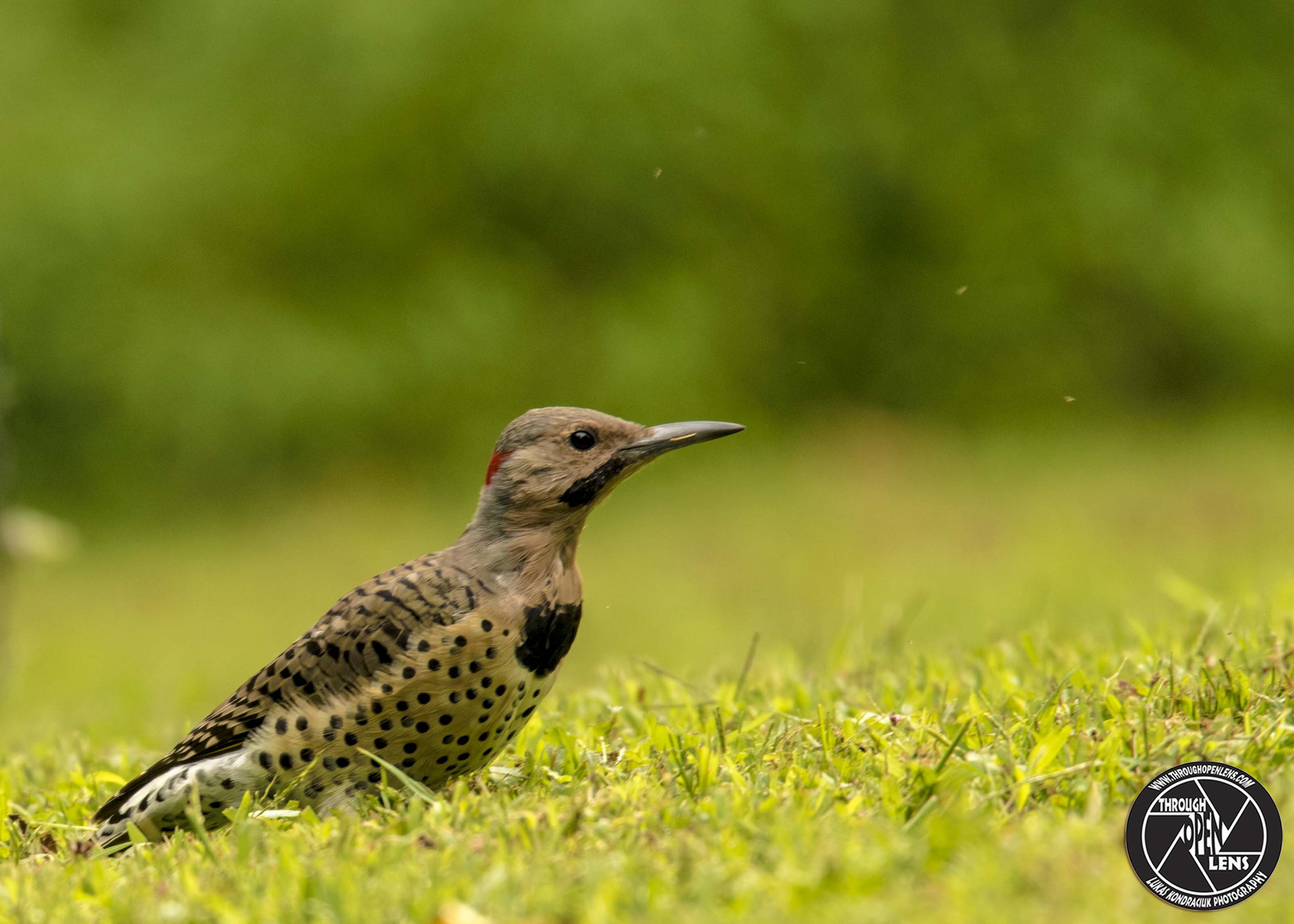
PLEASE KEEP ON THE GRASS! LIE DOWN! ROLL AROUND IN IT! FORGET ALL YOUR RESPONSIBILITES!

F/7.1, 1/200, ISO 400.

Northern Flicker

What do you call a Happy Cowboy?

A Jolly Rancher

Interesting Fact: Northern Flickers don’t act like typical woodpeckers. They mainly forage on the ground, sometimes among sparrows and blackbirds. When flushed, flickers often perch erect on thin horizontal branches rather than hitching up or around a tree trunk. Flickers do fly Iike most woodpeckers do, rising and falling smoothly as they intersperse periods of flapping with gliding. ( https://www.allaboutbirds.org/guide/Northern_Flicker/lifehistory )

Listen To Me Meow!

Gray Catbird

F/5.6, 1/125, ISO1400.

Son: Dad I am cold!

Dad: Go stand in the corner it’s 90 degrees.

Interesting Fact:  The male Gray Catbird uses his loud song to proclaim his territory. He uses a softer version of the song when near the nest or when a bird intrudes on his territory. The female may sing the quiet song back to the male. ( https://www.allaboutbirds.org/guide/Gray_Catbird )