Don’t Stick Your Nose Where It Doesn’t Belong

F/9.0, 1/320, ISO 320.

Northern Pintail Duck

Father and son are talking over dinner in a nice restaurant.  A boy asks his father, “Dad, are bugs good to eat?”

“That’s disgusting. Don’t talk about things like that over dinner,” the dad replies.

After dinner the father asks, “Now, son, what did you want to ask me?”

“Oh, nothing,” the boy says. “There was a bug in your soup, but now it’s gone.”

Interesting Fact: Northern Pintails migrate at night at speeds around 48 miles per hour. The longest nonstop flight recorded for a Northern Pintail was 1,800 miles. ( https://www.allaboutbirds.org/guide/Northern_Pintail/

Don’t Confuse Me With Twitter!

F/9.0, 1/320, ISO 400.

Blue Jay

What do you get when you cross and smurf and a cow?

Blue cheese!

Interesting Fact: The black bridle across the face, nape, and throat varies extensively and may help Blue Jays recognize one another. ( https://www.allaboutbirds.org/guide/Blue_Jay/lifehistory

Better Days Are Coming. They Are Called: Saturday And Sunday!

F/9.0, 1/250, ISO 200.

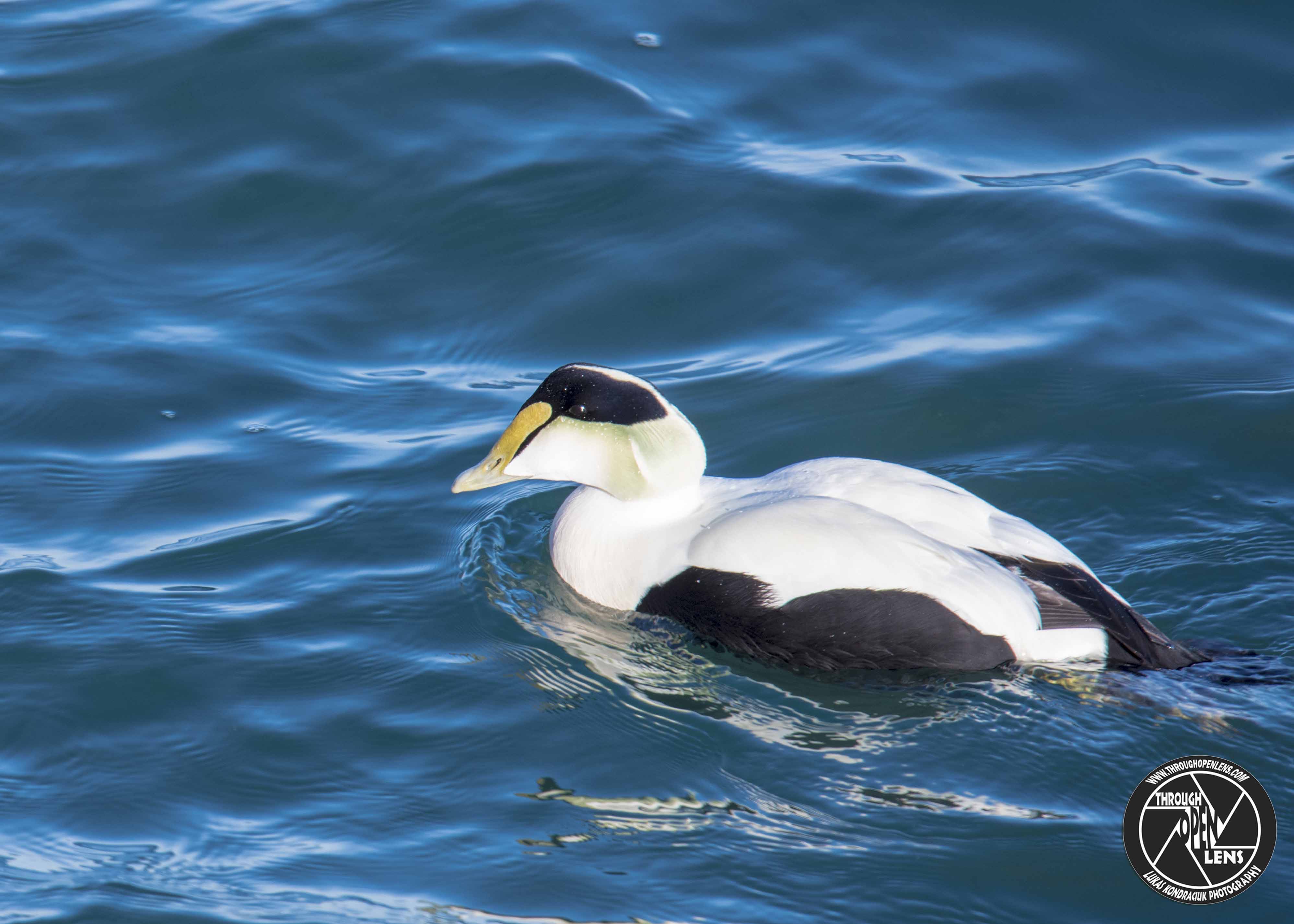
Common Eider ( Male ) 

How are hockey players like goldfish?

You tap on the glass to get their attention.

Interesting Facts: Common Eiders appear to be monogamous, though males will display to females other than their primary partner. Pairs sometimes reunite in consecutive seasons. During periods of calm weather in autumn, males begin to display, both singly and in groups, tossing their heads, stretching their necks, and flapping their wings while keeping up a soft cooing. Pairs often copulate during fall and winter, well outside of the nesting season. ( Common Eider Life History, All About Birds, Cornell Lab of Ornithology )

Monday Blues

F/7.1, 1/200, ISO 400.

Eastern Bluebird 

Where does Capitan Hook go shopping?

Second hand stores.

Interesting Fact: Eastern Bluebirds eat mostly insects, wild fruit and berries. Occasionally, Eastern Bluebirds have also been observed capturing and eating larger prey items such as shrews, salamanders, snakes, lizards and tree frogs. ( Eastern Bluebird Overview, All About Birds, Cornell Lab of Ornithology )


I’m A Duck That Does Not Give A Quack!

F/6.3, 1/500, ISO 250.

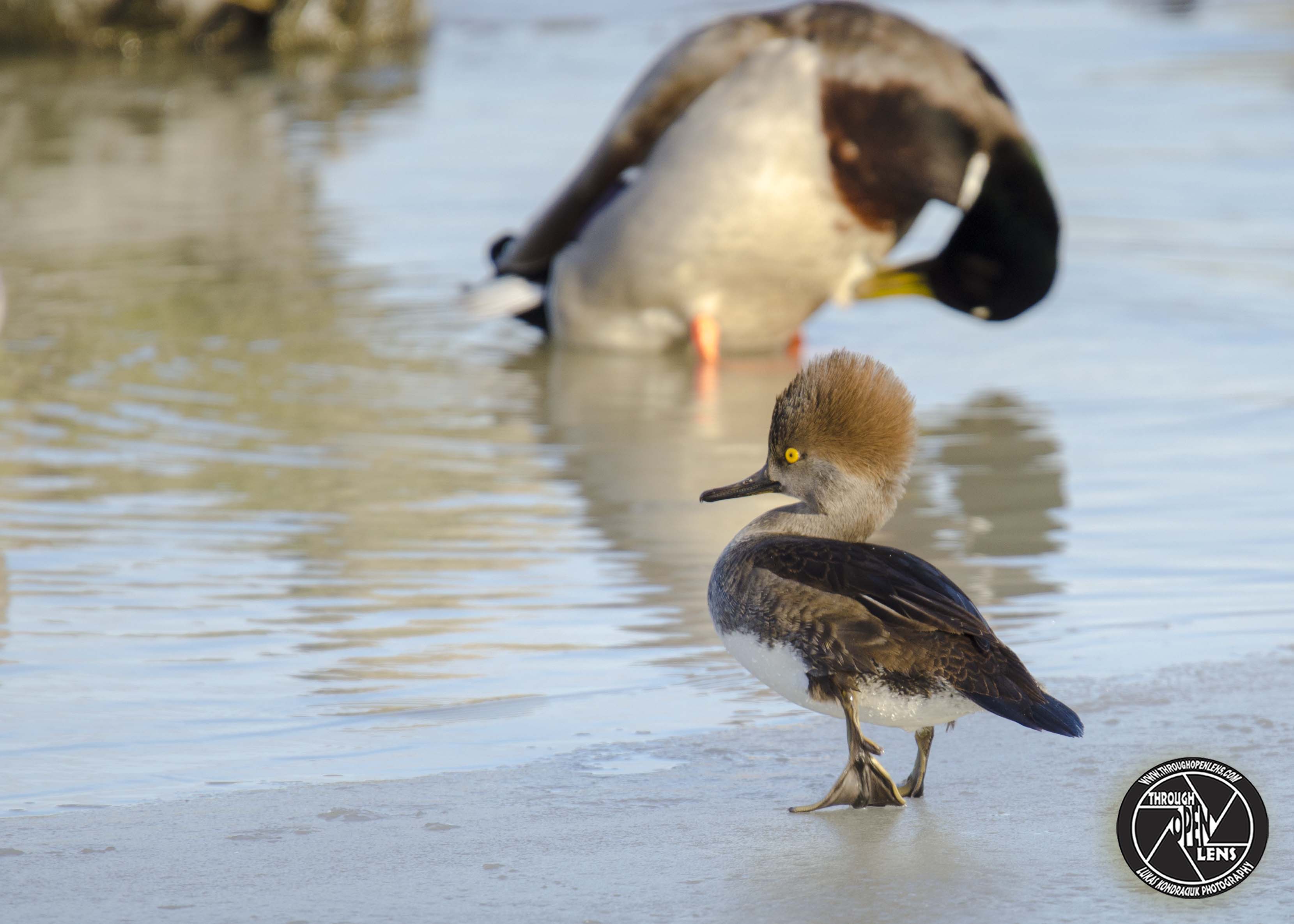
Hooded Merganser ( Female )

2 Guys walking down the street.

One walks into a bar, the other ducks.

Interesting Fact:  The female chooses the nest site, and may start scouting for next year’s tree cavity at the end of each breeding season. Nest cavities can be in live or dead trees and are usually close to water. Cavities are typically 10–50 feet off the ground, up to about 90 feet. Hooded Mergansers nest readily in boxes, preferring those with wood shavings or nest material from previous uses. They prefer cavities with 3–5 inch openings. ( https://www.allaboutbirds.org/guide/Hooded_Merganser/overview )

CAUTION! Headbanging In Progress!

F/6.3, 1/125, ISO 320.

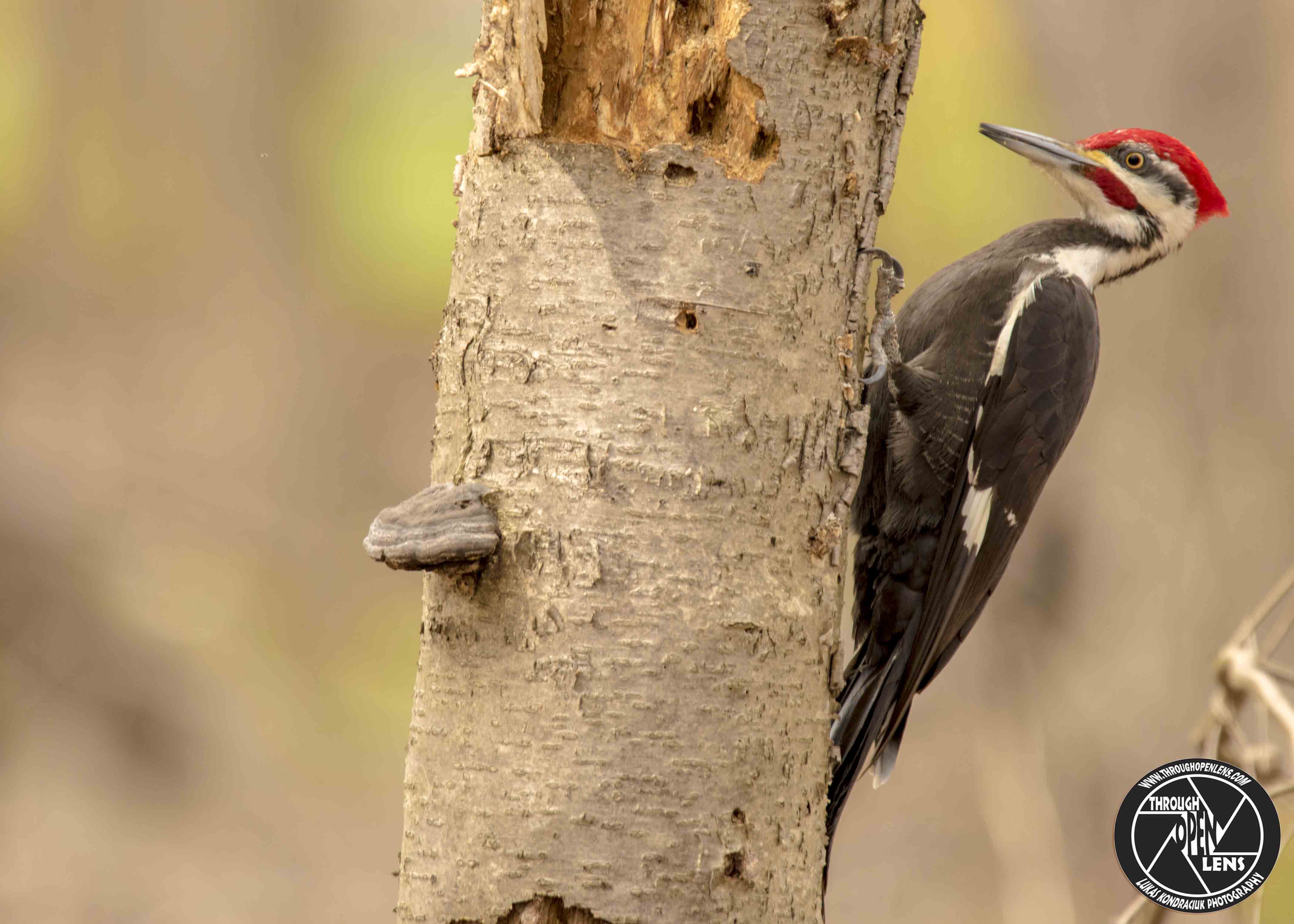
Pileated Woodpecker 

What does a house wear?

Address.

Interesting Fact: Pileated Woodpeckers forage in large, dead wood—standing dead trees, stumps, or logs lying on the forest floor. They make impressive rectangular excavations that can be a foot or more long and go deep inside the wood. These holes pursue the tunnels of carpenter ants, the woodpecker’s primary food. ( Pileated Woodpecker Life History, All About Birds, Cornell Lab of Ornithology )

When Nothing Goes Right… Go Left!

F/10.0, 1/400, ISO 250.

Sandhill Cranes

How do you make fruit punch?

Give them boxing gloves.

Interesting Fact: Sandhill Cranes are known for their dancing skills. Courting cranes stretch their wings, pump their heads, bow, and leap into the air in a graceful and energetic dance. ( Sandhill Crane Overview, All About Birds, Cornell Lab of Ornithology )


Like I Give A Duck!

F/11.0, 1/500, ISO 320.

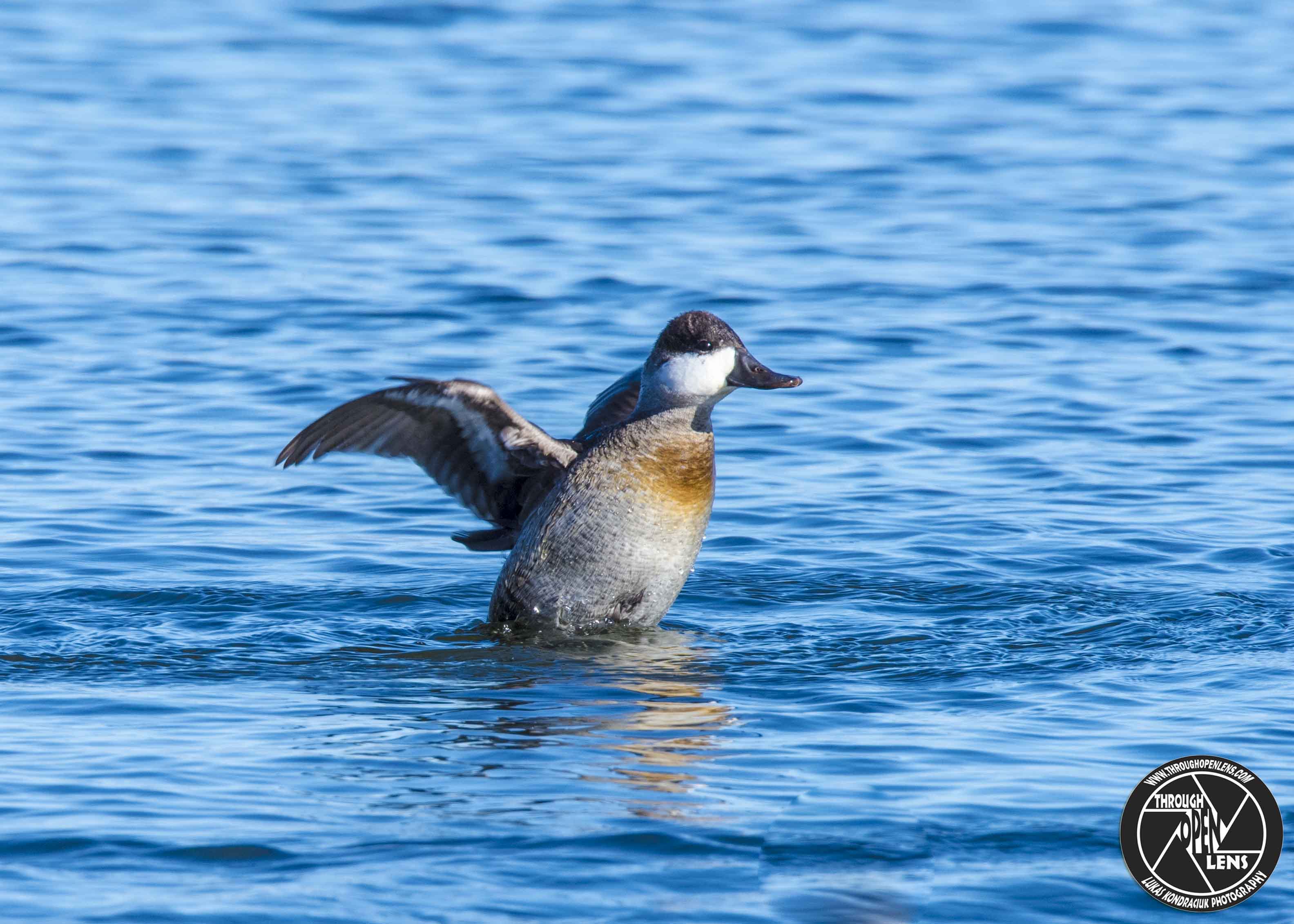
Ruddy Duck 

Why do bees have sticky hair?

They use honey-combs.

Interesting Fact: Though Ruddy Ducks are native to the Americas, one population became established in England after captive ducks escaped in 1952. This population grew to about 3,500 individuals by 1992, and now appears to be expanding into the Netherlands, France, Belgium, and Spain. ( Ruddy Duck Overview, All About Birds, Cornell Lab of Ornithology )

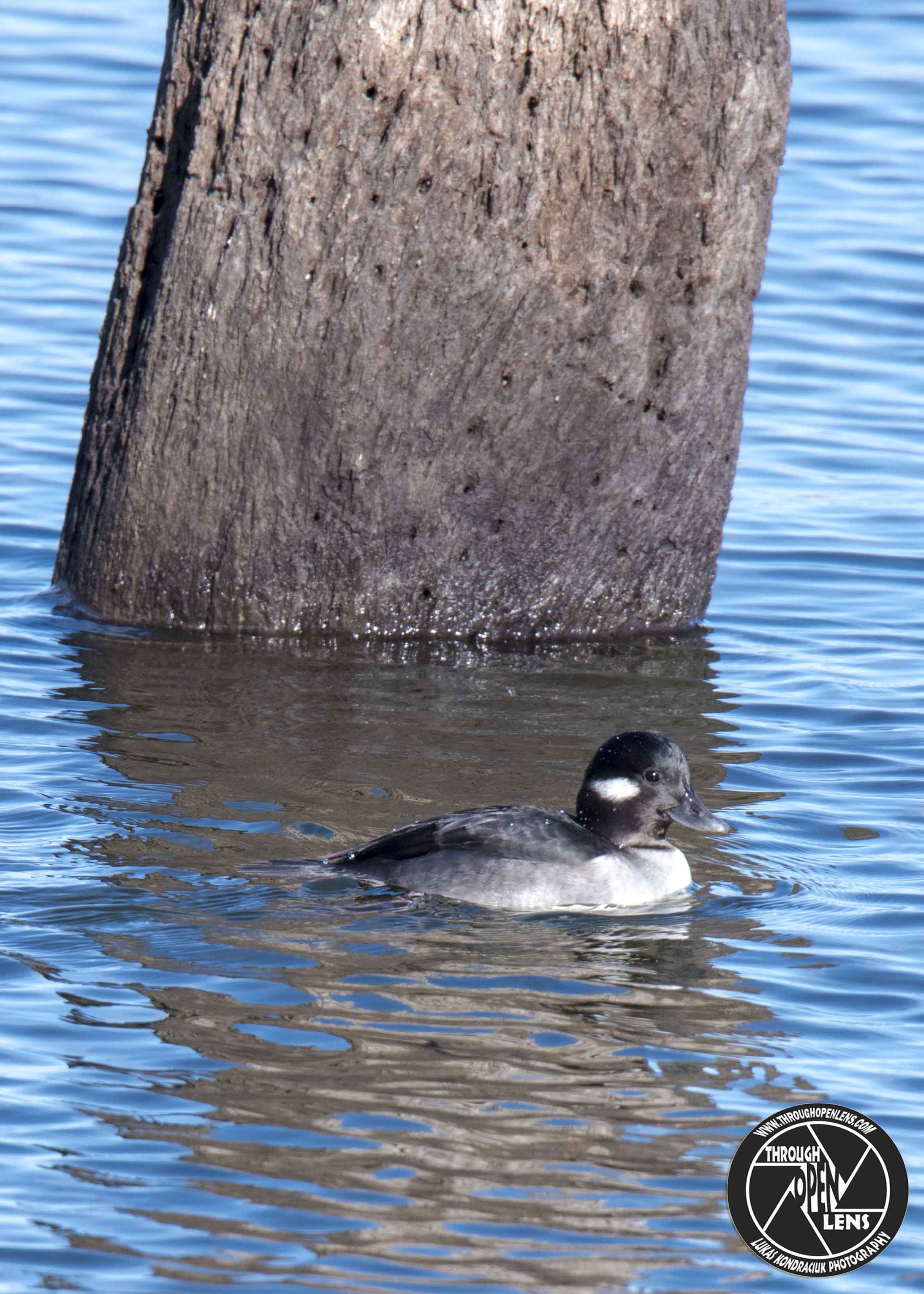
A Good Joke Always Quacks Me Up!

F/10.0, 1/400, ISO 320.

Bufflehead Duck ( Female )

Why couldn’t the bicycle stand up by itself?

It was two tired.

Interesting Fact: They hold their wings tightly against their bodies underwater and use only their feet to propel themselves. At the end of a dive, they may bob to the surface like a cork. Throughout the day they alternate between bouts of feeding, swimming alertly, preening, and sleeping. ( Bufflehead Life History, All About Birds, Cornell Lab of Ornithology )


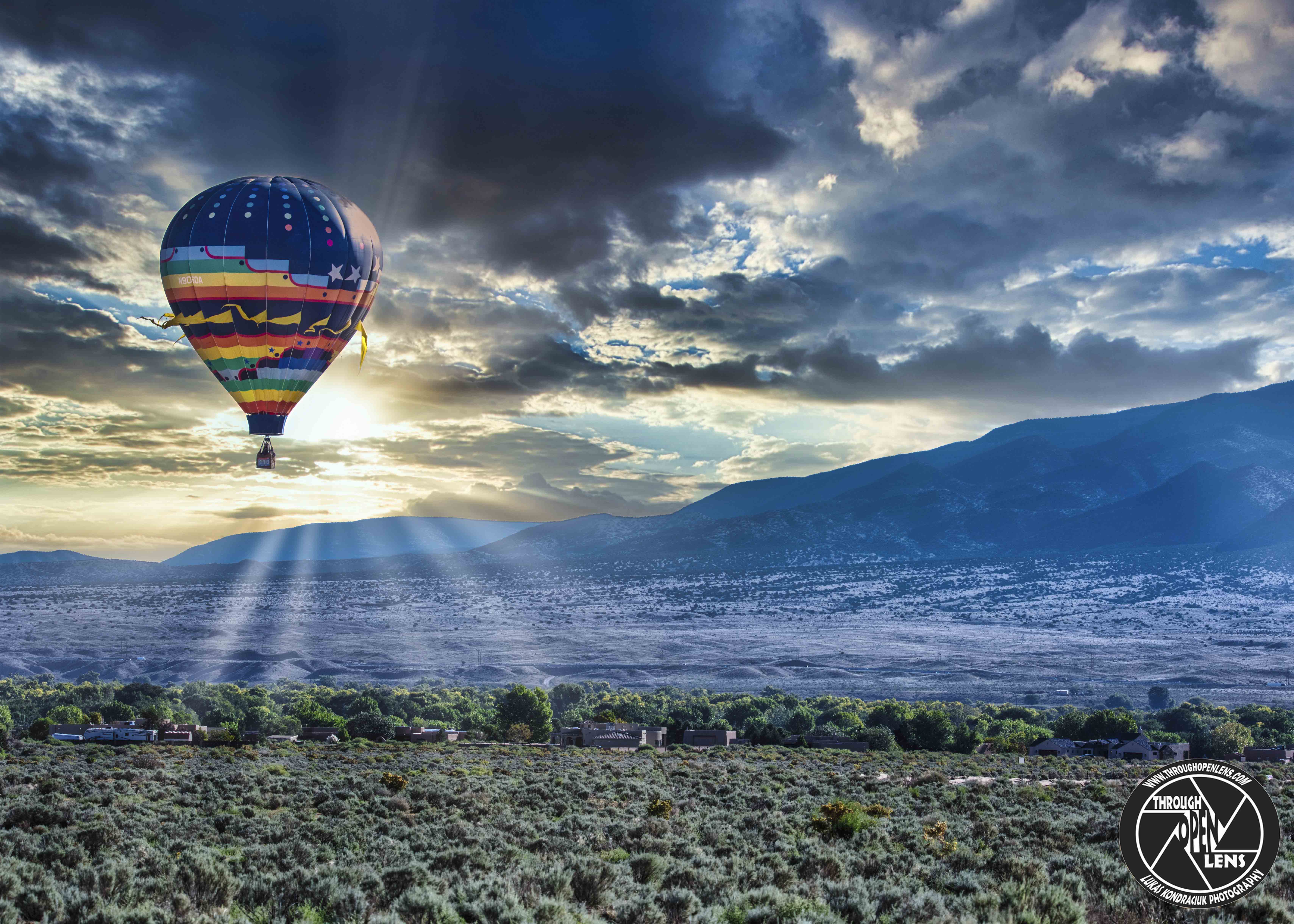
A Good Mood Is Like A Balloon, One Little Prick Is All It Takes To Ruin It.

F/11.0, 1/500, ISO 250, Photoshop.

Rio Rancho, New Mexico. 

Did you hear the rumor about butter?

Well, I’m not going to spread it!

Interesting Fact: The great majority of Rio Rancho was originally part of the Town of Alameda Grant, which was founded by Spanish settlers in 1710. By the early 20th century, much of the land grant had been sold to land investment companies. Amrep Corporation purchased 55,000 acres (22,000 ha) in 1961 and turned the land into a housing development called “Rio Rancho Estates”, with the first families moving in the early 1960s. Amrep contracted with Ezio Valentini, one of the original developers of Cape Coral, Florida, to design and implement a unique marketing plan to conduct land-sales, dinner-party program in northern states to open offices in 14 states. The population grew ten-fold between 1970 and 1980 and the City of Rio Rancho was incorporated in 1981. The opening of a large Intel Corporation plant in 1981 had a major economic impact on the city. ( Rio Rancho, New Mexico – Wikipedia )