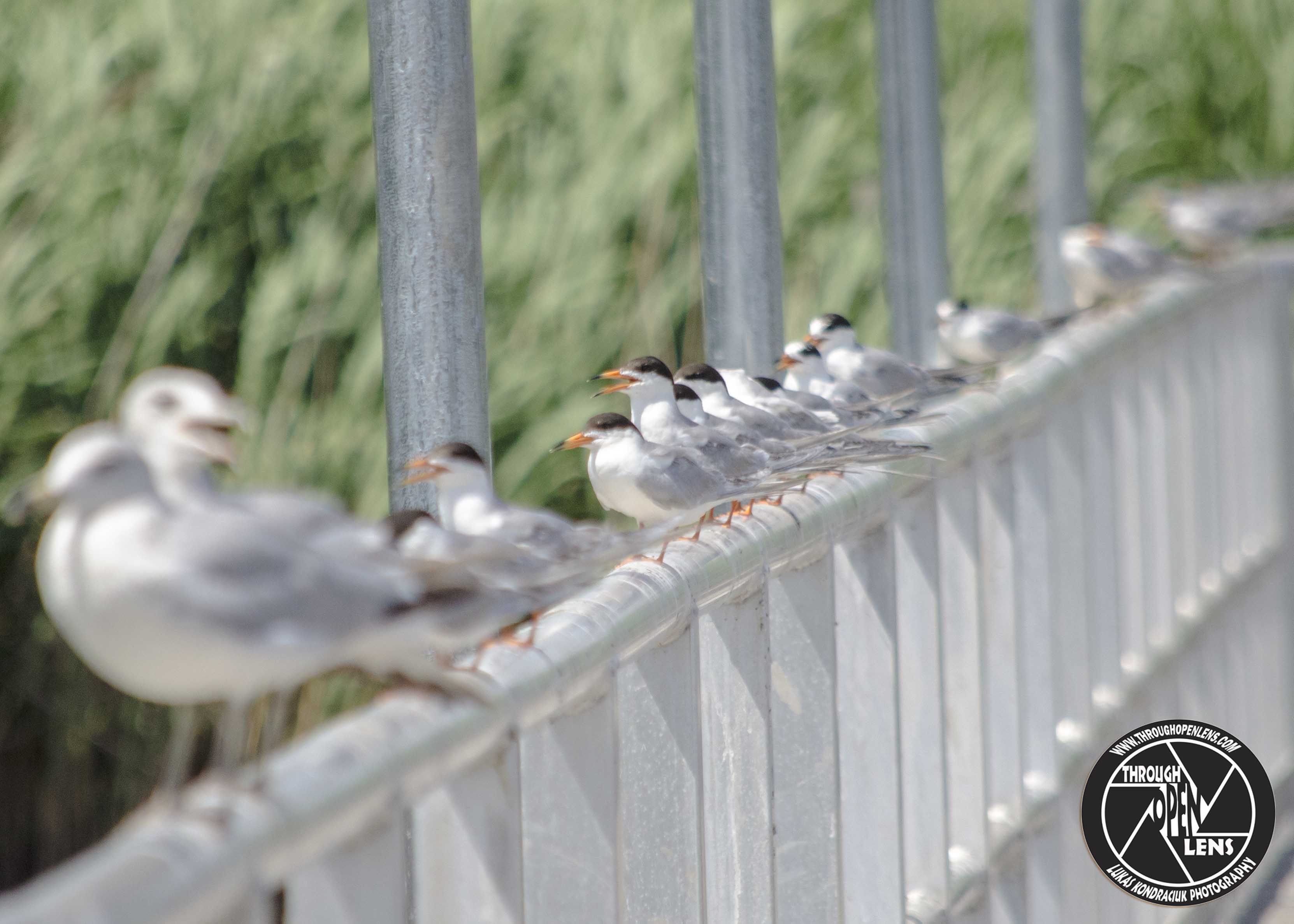
Good Times And Crazy Friends Make The Best Memories.

F/5.6, 1/3200, ISO 1000. d700

Common Terns 

Did you hear the rumor about butter?

Everyone’s spreading it.

Interesting Fact: Common Terns nest in colonies on the ground in areas with loose sand, gravel, shell, or cobble pebbles typically less than 350 feet from the water. They tend to choose areas with scattered, low-growing vegetation to provide cover for chicks. ( https://www.allaboutbirds.org/guide/Common_Tern/lifehistory )
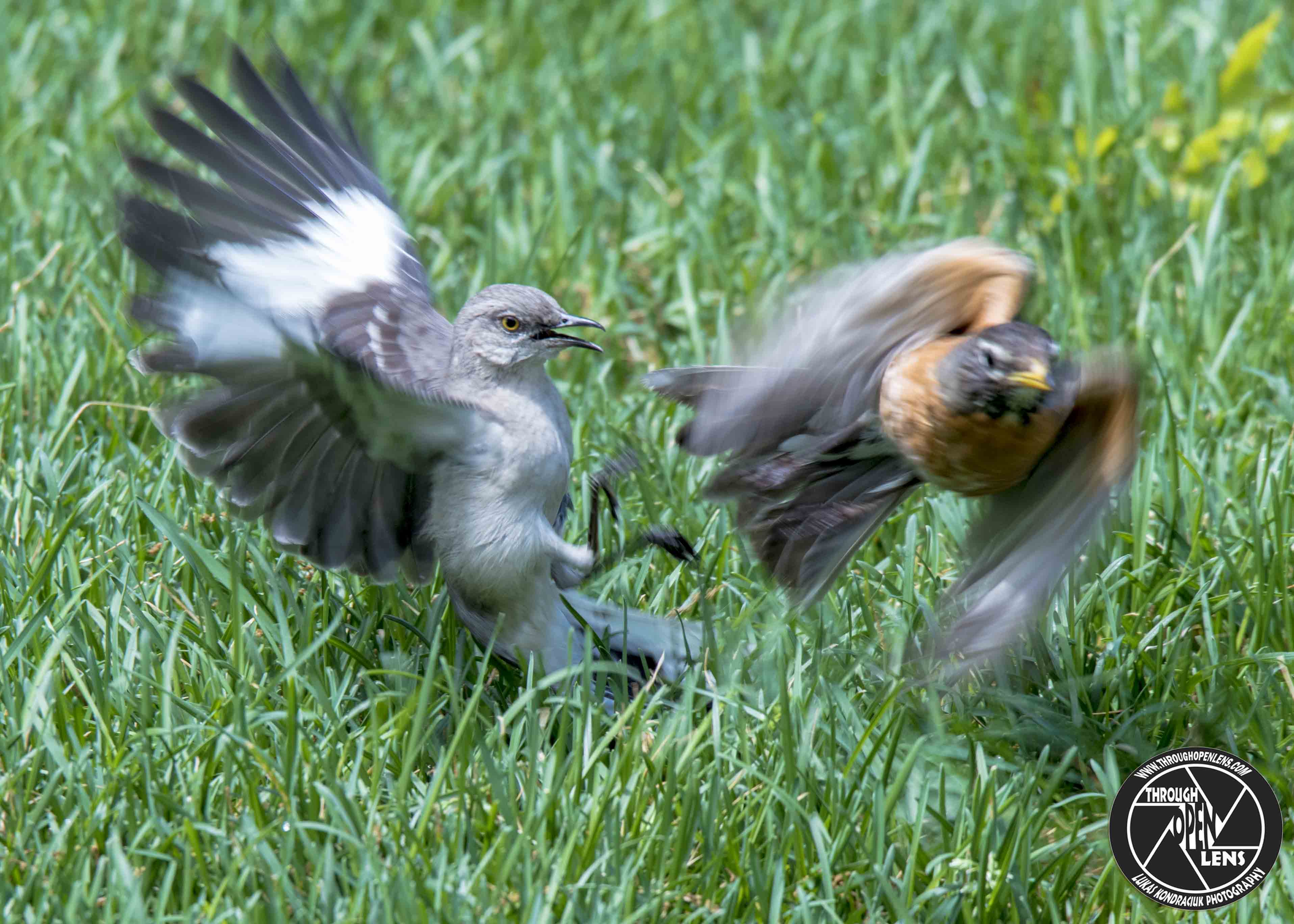
 

Keep Off My Grass!

F/8.0, 1/250, ISO 400.

Northern Mockingbird vs American Robin

Why should you keep away from dermatologists?

They make rash decisions.

Interesting Fact: Mockingbirds are also territorial around other bird species as well as dogs and cats. The flight style of mockingbirds is variable but typically leisurely, with showy wingbeats. Sometimes Northern Mockingbirds simply drop quickly from a perch with their wings folded. ( https://www.allaboutbirds.org/guide/Northern_Mockingbird/lifehistory# )


Family Are Like Fudge… Mostly Sweet With A Few Nuts.

F/6.3, 1/160, ISO 100.

Canada Goose and Goslings 

What did the baby corn say to the mama corn?

Where’s POP corn?

Interesting Fact: During spring, pairs break out from flocks and begin defending territories. Spacing of these pairs is variable and depends on availability of nest sites and population density; where population is large, even after a great many fights birds may end up nesting in view of one another, and some populations are semi-colonial. ( https://www.allaboutbirds.org/guide/Canada_Goose/lifehistory )

I Think We Have A Problem!

F/10.0, 1/400, ISO 250.

Snowy Egret

When is a door sweet and tasty?

When its jammed!

Interesting Fact: The male starts working on a nest before finding a mate. Then the female takes over and ends up doing most of the nest building, with materials supplied by the male. The nest is a shallow oval of loosely woven twigs, small sticks, grasses, sedges, rushes, and Spanish moss, about 14–18 inches across and 8–13 inches high. ( https://www.allaboutbirds.org/guide/Snowy_Egret/lifehistory )

Just Sitting Here On The Corner Of Awesome And Bombdiggity.

F/8.0, 1/125, ISO 100.

Peregrine Falcon

Why did Mickey Mouse go to space?

To visit Pluto.

Interesting Fact: The Peregrine Falcon is one of the most widespread birds in the world. It is found on all continents except Antarctica, and on many oceanic islands. ( https://www.allaboutbirds.org/guide/Peregrine_Falcon/lifehistory )

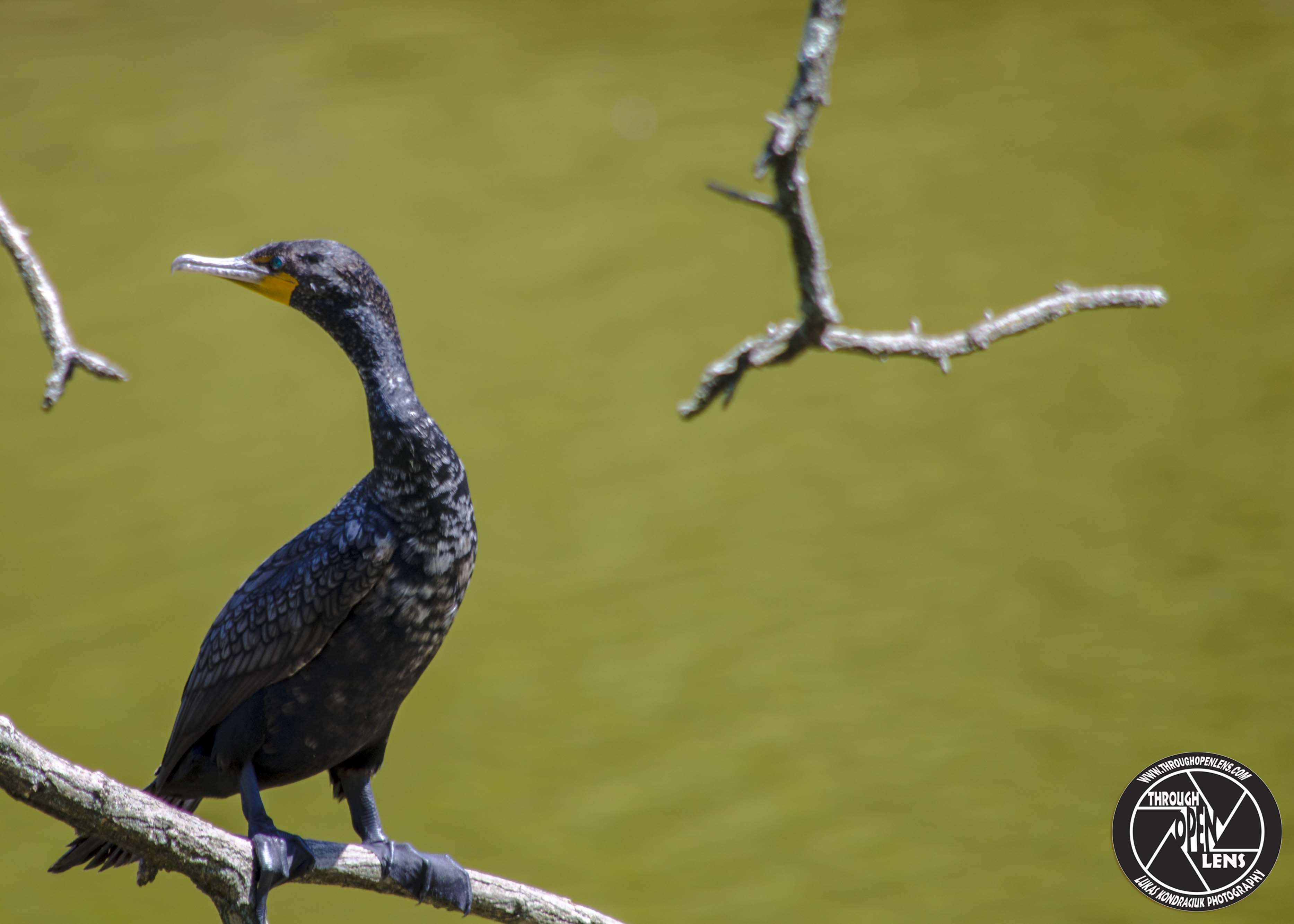
What Was That?!

F/5.6,1/160, ISO 100.

Double-crested Cormorant

What is the difference between the government and the Mafia?

One of them is organized.

Interesting Fact: Double-crested cormorants are gregarious birds that are almost always near water. Their main two activities are fishing and resting, with more than half their day spent on the latter. When at rest, a cormorant will choose an exposed spot on a bare branch or a windblown rock, and often spread its wings out, which is thought to be a means of drying their feathers after fishing. ( https://www.allaboutbirds.org/guide/Double-crested_Cormorant/lifehistory )


Flying High, High, I’m The Bird In The Sky!

F/13.0, 1/640, ISO 250.

Osprey

What did the fish say when he swam into the wall?

Dam!

Interesting Fact: Ospreys are unusual among hawks in possessing a reversible outer toe that allows them to grasp with two toes in front and two behind. Barbed pads on the soles of the birds’ feet help them grip slippery fish. When flying with prey, an Osprey lines up its catch head first for less wind resistance.  ( https://www.allaboutbirds.org/guide/Osprey/lifehistory )

Yes, How Can I Help You?

F/11.0, 1/500, ISO 320.

Ruby-crowned Kinglet

What is the difference between a school teacher and a train?

The teacher says spit your gum out and the train says “chew chew chew”.

Interesting Fact: Ruby-crowned Kinglets seem nervous as they flit through the foliage, flicking their wings nearly constantly. Keeping an eye out for this habit can be a useful aid to identifying kinglets. ( https://www.allaboutbirds.org/guide/Ruby-crowned_Kinglet/lifehistory )

So Do You Think That Worm Will Come Out Soon?

F/7.1, 1/200, ISO 400.

Wild Turkeys

What’s the opposite of Dominoes?

Domi doesnt know.

Interesting Fact: They usually roost in flocks, but sometimes individually. Courting males gobble to attract females and warn competing males. They display for females by strutting with their tails fanned, wings lowered, while making nonvocal hums and chump sounds.  ( https://www.allaboutbirds.org/guide/Wild_Turkey/lifehistory )


I Think We’re Going To Need A Bigger Rock!

F/5.6, 1/500, ISO 200.

American Black Ducks ( Juveniles )

Why can’t you trust an atom?

Because they make up everything.

Interesting Fact:  Normally found in eastern North America, American Black Ducks occasionally show up on the West Coast, Europe, and even Asia. Some of these birds may be escaped pets, but others are known to be wild ducks: for instance, one female banded in New Brunswick, Canada, turned up later in France. ( https://www.allaboutbirds.org/guide/American_Black_Duck/lifehistory )