Swan Lake Ballet ( On Ice )

mute-swan-on-ice

F/8.0, 1/1000, ISO 640.

Mute Swan

A good looking woman walks into a bar wearing a tube top. She raises her hand to signal the bartender for a beer, revealing that she does not shave her

armpits.

Meanwhile, a sloppy drunk on the other side of the bar signals the bartender, “Buy that ballerina over there a drink on me.”

The bartender replies, “What makes you think she’s a ballerina?”

“Because,” answers the drunken man, “any chick that can lift her leg that high has GOT to be a ballerina.”

Interesting Fact: All of the Mute Swans in North America descended from swans imported from Europe from the mid 1800s through early 1900s to adorn large estates, city parks, and zoos. Escapees established breeding populations and are now established in the Northeast, Midatlantic, Great Lakes, and Pacific Northwest of the U.S. ( https://www.allaboutbirds.org/guide/Mute_Swan/lifehistory )

Flying Quack!

F/6.3, 1/500, ISO 280.

Hooded Merganser ( Male ) 

A police officer stops a Bob’s car.

Police Officer: “Your driver’s license please.”

Bob: “I’m really sorry, I forgot.”

Officer: “At home?”

Bob: “No, to do it.”

Interesting Fact:They take flight by running across the water, flying with fast wingbeats and never gliding until they are about to land (by skidding to a stop on the water). ( https://www.allaboutbirds.org/guide/Hooded_Merganser/lifehistory )  

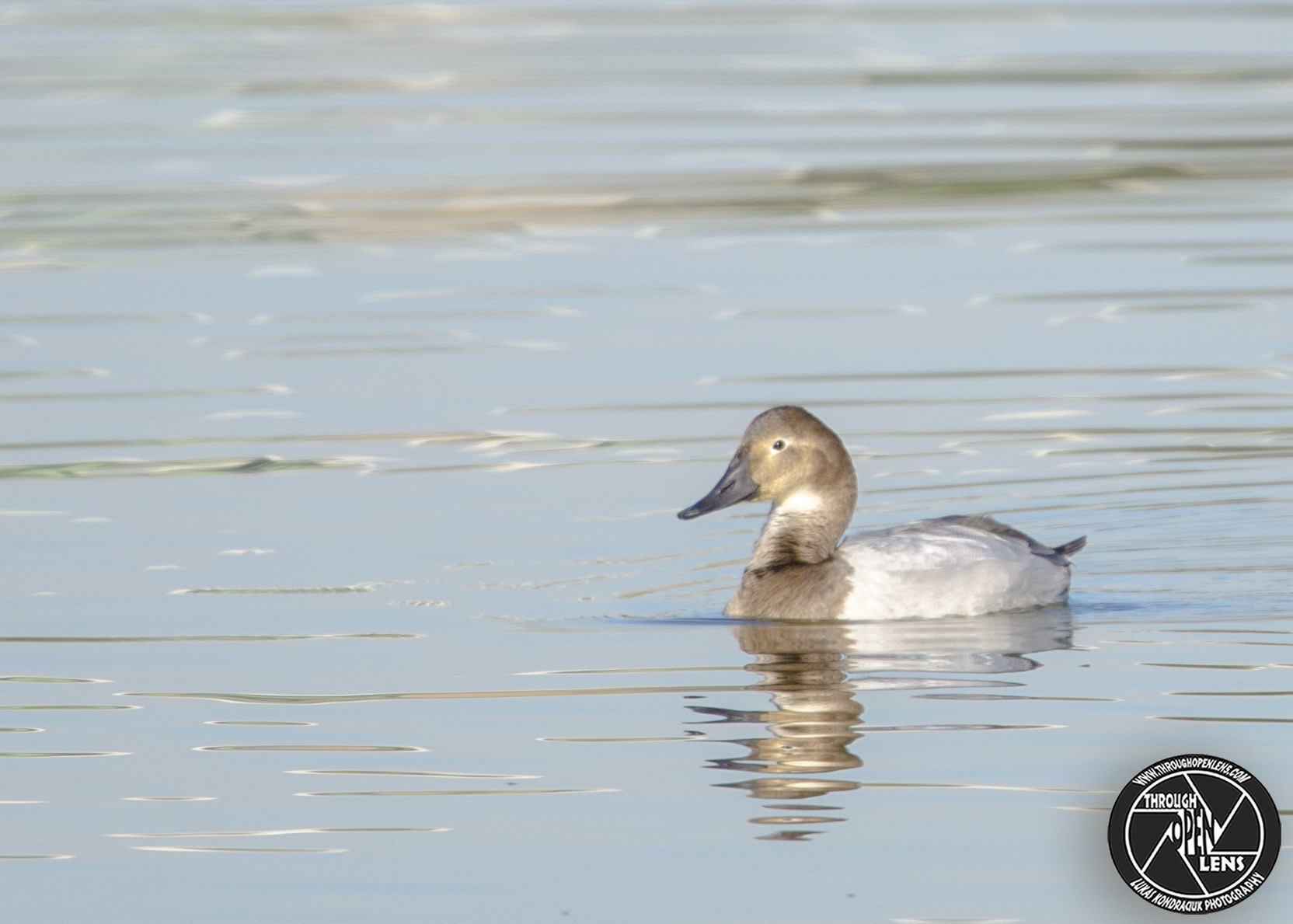
I Will, I Will, Quack You!

F/6.3, 1/640, ISO 200.

Canvasback ( Female ) 

Guy in a restaurant calls a waiter over

Guy: “Waiter, I am outraged. There is one hair in my soup.”

Waiter: “And what do you expect for this price? A whole wig?!”

Interesting Fact: The breeding habitat of the canvasback is in North Americaprairie potholes. The bulky nest is built from vegetation in a marsh and lined with down. Loss of nesting habitat has caused populations to decline. The canvasback usually takes a new mate each year, pairing in late winter on ocean bays.[5] It prefers to nest over water on permanent prairie marshes surrounded by emergent vegetation, such as cattails and bulrushes, which provide protective cover. Other important breeding areas are the subarctic river deltas in Saskatchewan and the interior of Alaska. ( https://en.wikipedia.org/wiki/Canvasback )

People That Take Advice From Duck Are Downright Loony

F/10.0, 1/400, ISO 800.

Common Loon ( Nonbreeding adult )

What computer sings the best?

A Dell.

Interesting Fact: Loons are agile swimmers, but they move pretty fast in the air, too. Migrating loons have been clocked flying at speeds more than 70 mph. ( https://www.allaboutbirds.org/guide/Common_Loon/lifehistory )

Snow Way You’ve Got To Be Flaking Me!

F/5.6, 1/1600, ISO 400.

Mute Swan

Why was the snowman sad?

Cause he had a meltdown.

Interesting Fact: Male Mute Swans select the nest site and may start several nests before the female accepts the location. Nest sites are safe from flooding yet offer easy access to water, with ample nesting materials and food nearby–often on a small peninsula, along a heavily vegetated shoreline, or on a small to medium-sized island.  ( https://www.allaboutbirds.org/guide/Mute_Swan/lifehistory )


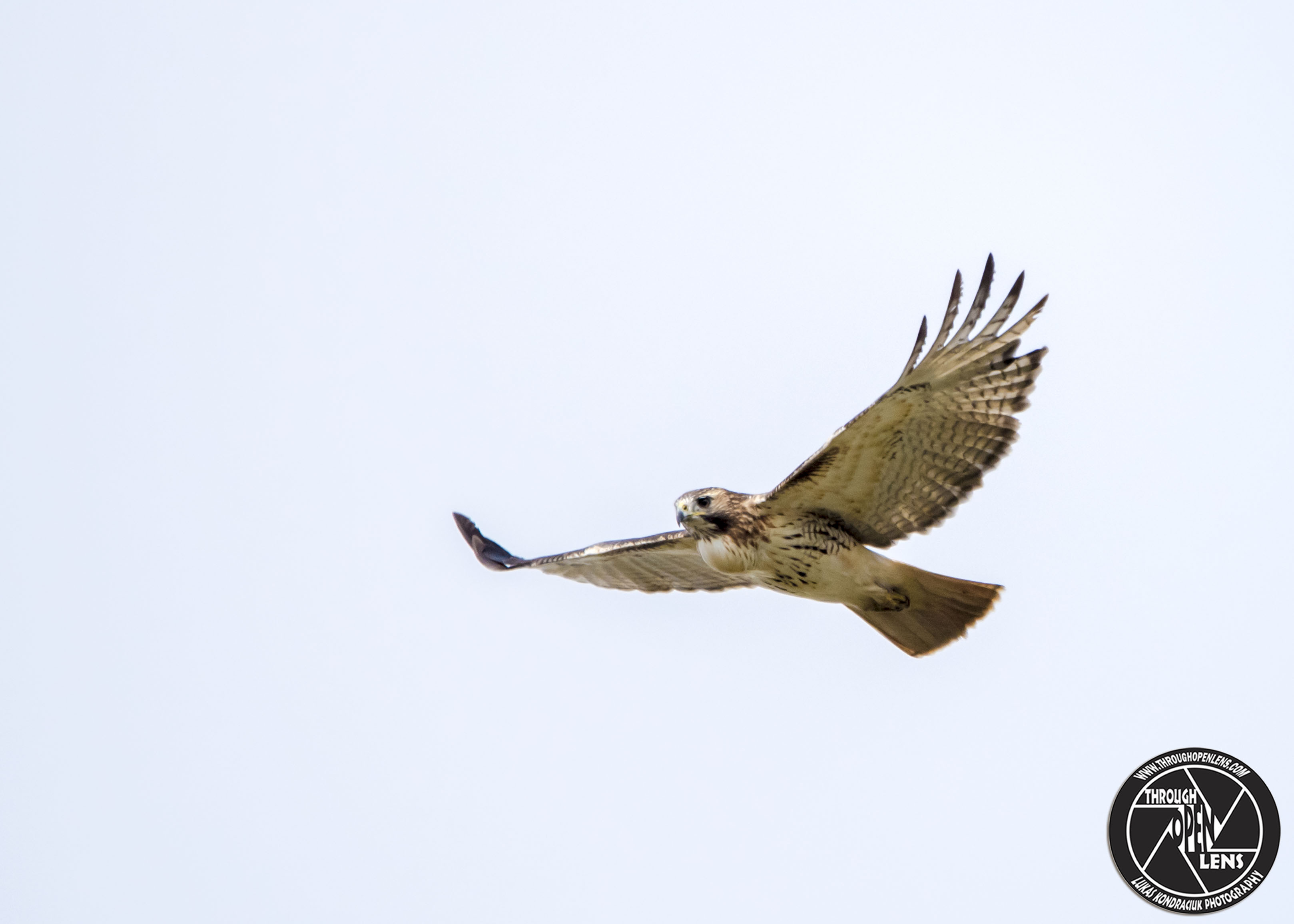
I’m So High!

F/6.3, 1/2500, ISO 320.

Red-tailed Hawk

One day a man came home from work to find his wife crying hysterically in the kitchen.

“What’s wrong, dearest?” asked the confused husband.

“Oh darling,” sobbed the wife,

“I was cleaning little Jen’s room when I found whips, handcuffs and chains under her bed, along with a very erotic porn magazine! What ever are we going to do?”

“Well,” replied the man, “I guess a spanking is out of the question?”

Interesting Fact: The oldest known wild Red-tailed Hawk was at least 30 years, 8 months old when it was found in Michigan in 2011, the same state where it had been banded in 1981. ( https://www.allaboutbirds.org/guide/Red-tailed_Hawk/overview )

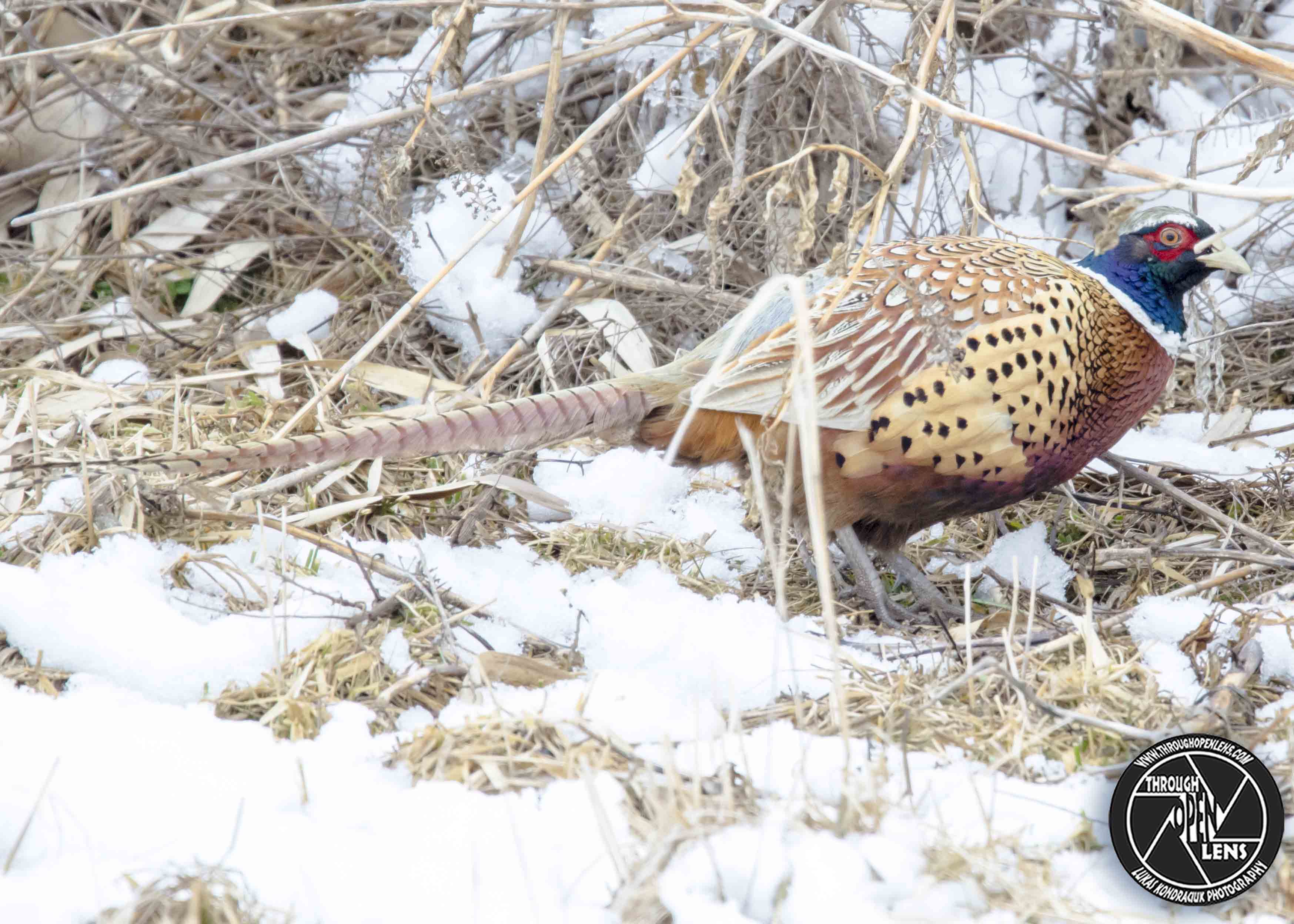
Mother Pheasant Plucker!

F/6.3, 1/250, ISO 1600.

Ring-Necked Pheasant

What is dangerous?

Sneezing while having diarrhea!

Interesting Fact:  Pheasants, along with most members of the grouse family, have specialized, powerful breast muscles—the “white meat” that you find on a chicken. These muscles deliver bursts of power that allow the birds to escape trouble in a hurry, flushing nearly vertically into the air and reaching speeds of nearly 40 miles per hour.  ( https://www.allaboutbirds.org/guide/Ring-necked_Pheasant/lifehistory )

I Got Blue More Than You!

F/7.1, 1/200, ISO 320.

Eastern Bluebird

In Court:

Judge: “Why did you steal the car?”

Defendant: “Your Honour I had to get to work.”

Judge: “Why didn’t you take the bus?”

Defendant: I don’t have a driver’s license for the bus.

Interesting Fact: Eastern Bluebirds occur across eastern North America and south as far as Nicaragua. Birds that live farther north and in the west of the range tend to lay more eggs than eastern and southern birds.  ( https://www.allaboutbirds.org/guide/Eastern_Bluebird )

Be Bold, Be Brave Enough To Be Your True Self!

F/9.0, 1/320, ISO 1250.

Bald Eagles

What falls but never gets hurt?

The rain!

Interesting Fact: Bald Eagles occasionally hunt cooperatively, with one individual flushing prey towards another. ( https://www.allaboutbirds.org/guide/Bald_Eagle )

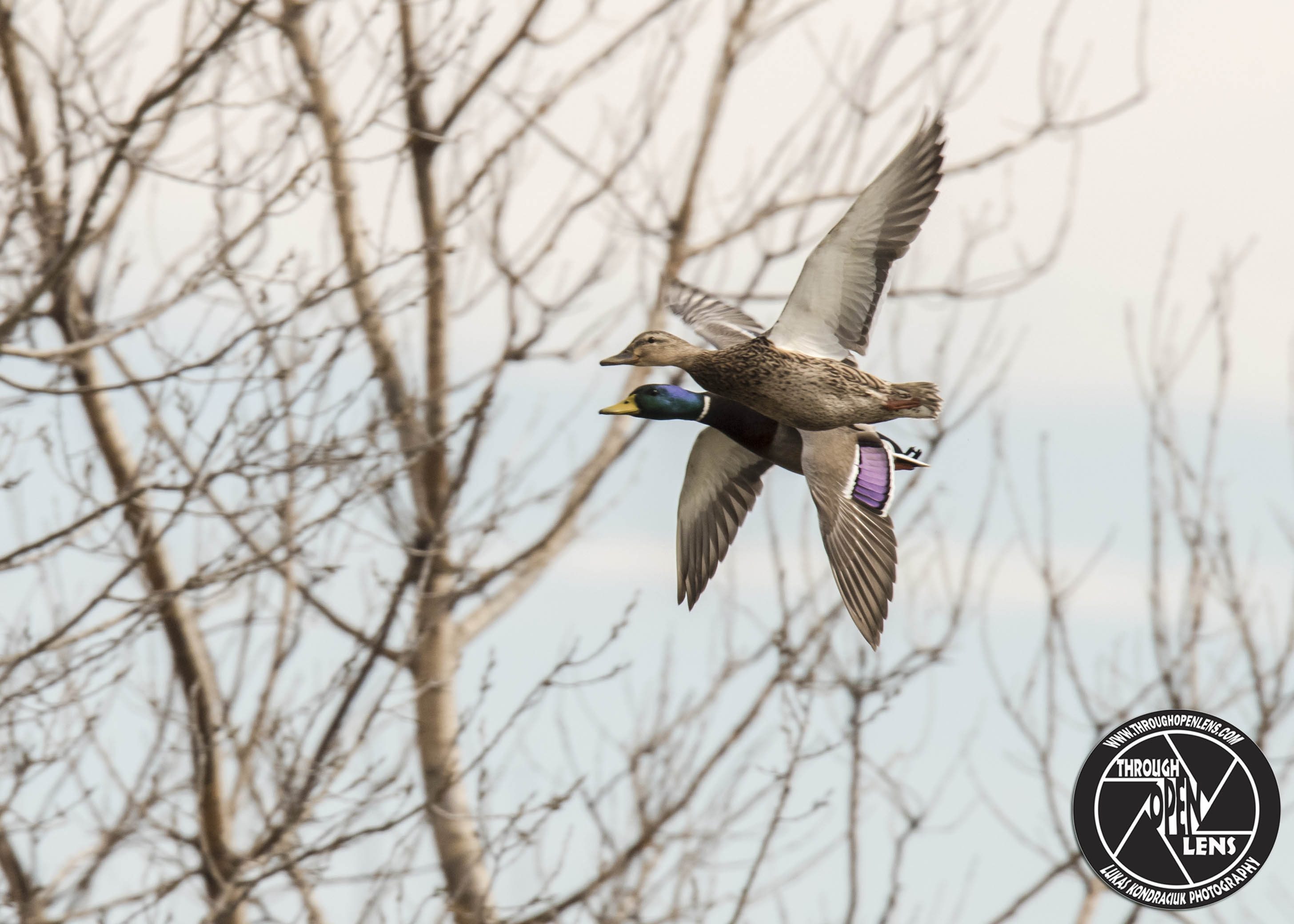
Together We Fly!

F/13.0, 1/640, ISO 400.

Mallard

As a scarecrow, people say I’m outstanding in my field.

But hay, it’s in my jeans.

Interesting Fact: Mallards, like other ducks, shed all their flight feathers at the end of the breeding season and are flightless for 3–4 weeks. They are secretive during this vulnerable time, and their body feathers molt into a concealing “eclipse” plumage that can make them hard to identify. ( https://www.allaboutbirds.org/guide/Mallard )