Keep On Duckin!

F/6.3, 1/640, ISO 200.

Hooded Mergansers

How do you get a frog off the back window of your car?

Use the rear defrogger.

Interesting Fact: Hooded Mergansers are usually in pairs or small groups of up to 40 birds. They court in groups of one or more females and several males. The males raise their crests, expanding the white patch, often while shaking their heads. Their most elaborate display is head-throwing, in which they jerk their heads backwards to touch their backs, with crests raised, while giving a froglike croak. Females court by bobbing their heads and giving a hoarse gack.  ( https://www.allaboutbirds.org/guide/Hooded_Merganser/lifehistory )

I’m Chillin’

F/7.1, 1/1600, ISO 640.

Mute Swan ice

Why are ghosts bad liars?

Because you can see right through them!

Interesting Fact: Before or during landing at a breeding site they’ll slap the water with their feet to announce their arrival and alert potential intruders. If another swan approaches members of the pair raise their wings and tuck their neck in a “busking” display to warn them off. Territorial defenses sometimes escalate to fights between males that can end with the dominant bird pushing its rival underwater. ( https://www.allaboutbirds.org/guide/Mute_Swan/lifehistory )


Kinda Classy Kinda Hood

F/6.3, 1/500, ISO 220.

Hooded Merganser ( Female )

When is a door sweet and tasty?

When it’s jammed!

Interesting Fact: Unlike dabbling ducks, Hooded Mergansers swim low in the water. Their legs are far back on their bodies, which helps in diving but makes them awkward on land. They take flight by running across the water, flying with fast wingbeats and never gliding until they are about to land (by skidding to a stop on the water). ( https://www.allaboutbirds.org/guide/Hooded_Merganser/lifehistory )


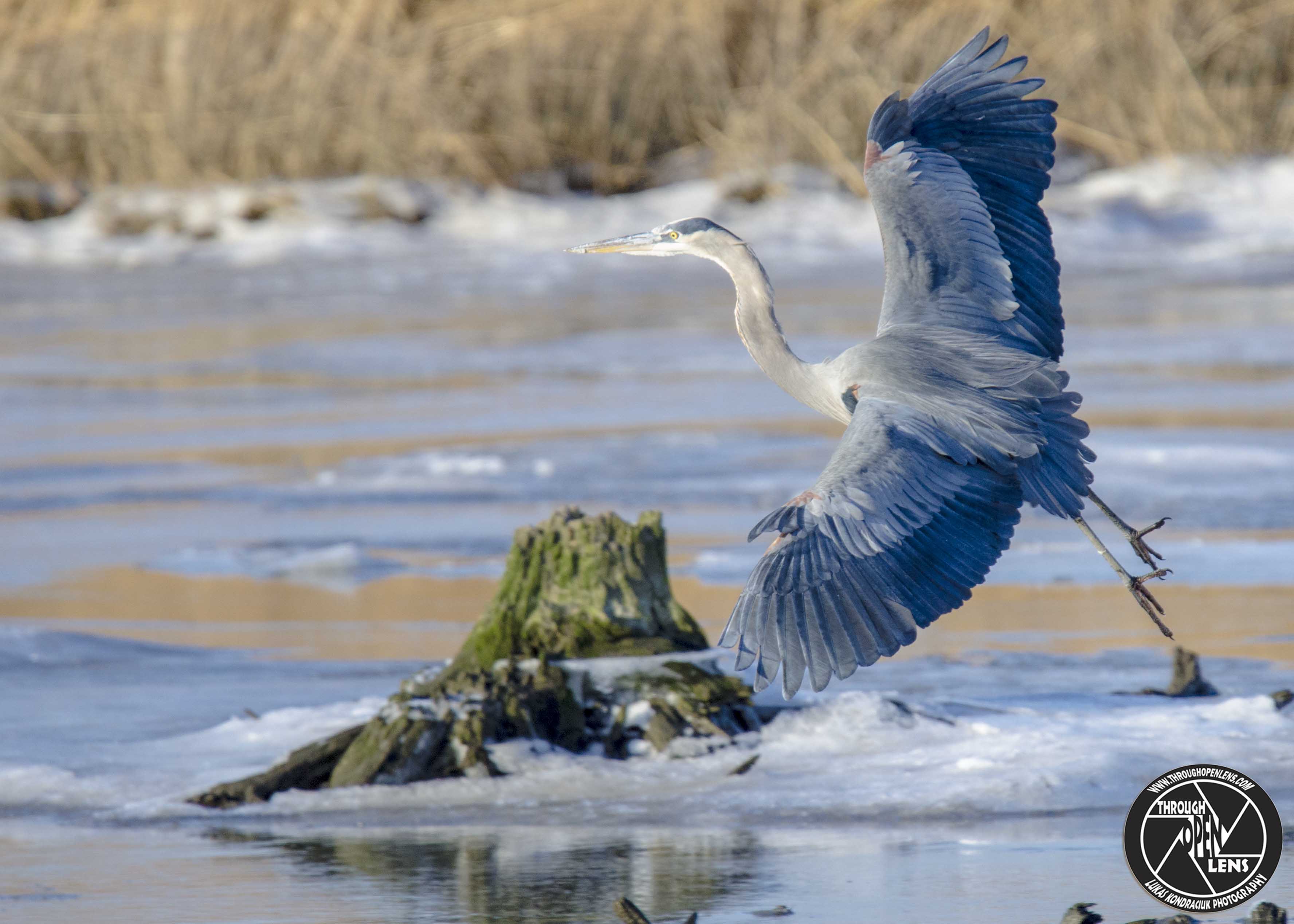
I Spread My Wings And I Fly!

F/6.3, 1/1000, ISO 640.

Great Blue Heron 

Why did the student wear eye-glasses in math class?

It improved DiVision !

Interesting Fact:  In flight the Great Blue Heron folds it neck into an “S” shape and trails its long legs behind, dangling them as it prepares to land or when courting. ( https://www.allaboutbirds.org/guide/Great_Blue_Heron/lifehistory )

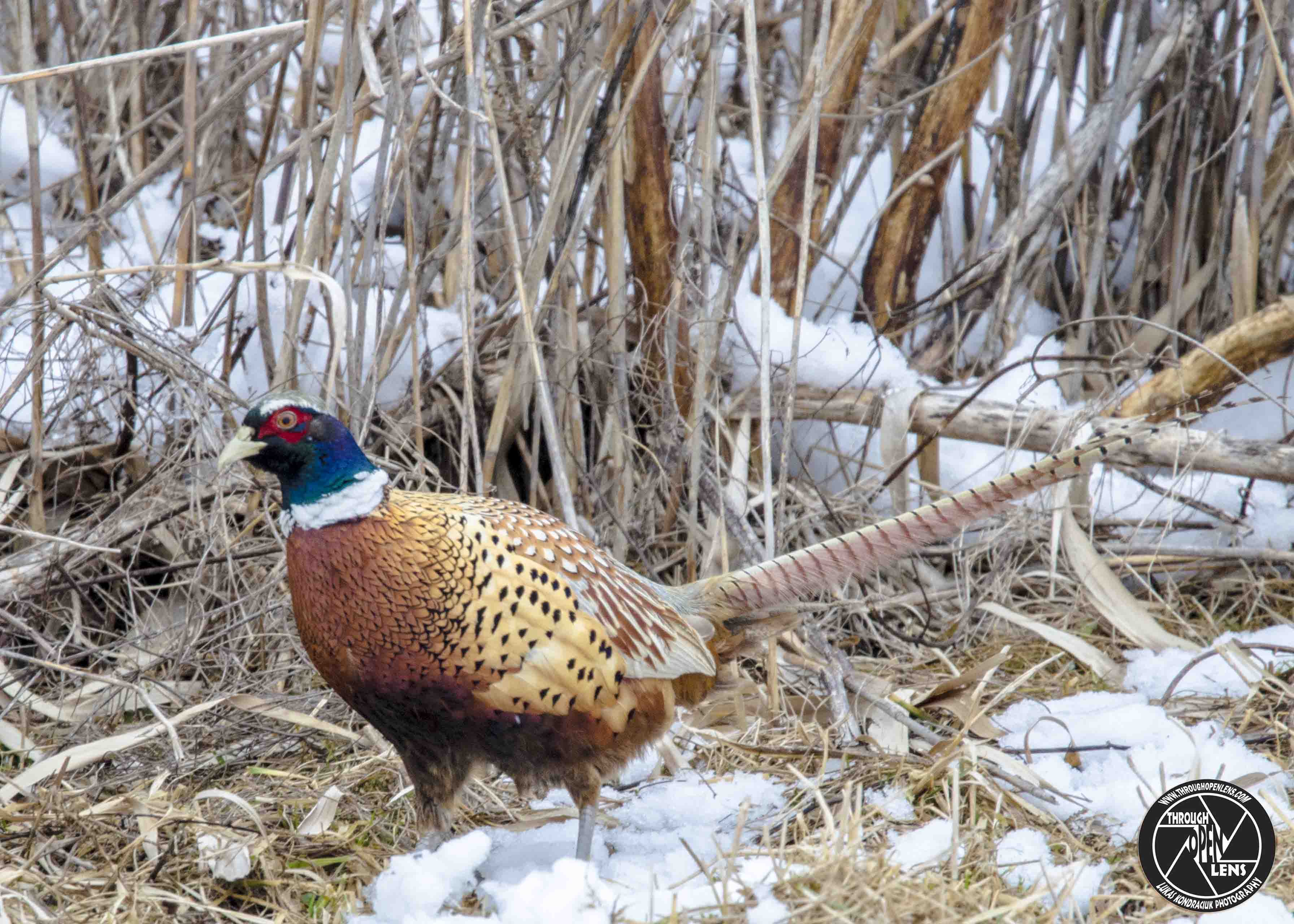
You Are Full Of It!

F/6.3, 1/250, ISO 1600.

Ring-Necked Pheasant

How do snowmen get around?

They ride an icicle!

Interesting Fact: Male Ring-necked Pheasants may harass other ground-nesting birds, such as the Gray Partridge and the Greater Prairie-Chicken. Female pheasants sometimes lay their own eggs in these birds’ nests. This may explain why some male pheasants have been seen chasing away male prairie-chickens and courting females—the pheasants may have been raised in prairie-chicken nests and imprinted on the wrong species. ( https://www.allaboutbirds.org/guide/Ring-necked_Pheasant# )

Nooo, Go Away You Are Bothering Me!

Tree Swallow

F/5,6, 1/400, ISO 125.

Tree Swallow

How do you make a water bed more bouncy?

Use spring water.

Interesting Fact: The Tree Swallow—which is most often seen in open, treeless areas—gets its name from its habit of nesting in tree cavities. They also take readily to nest boxes.  ( http://www.allaboutbirds.org/guide/tree_swallow/lifehistory )

Into The Woods We Go!

F/6.3, 1/13, ISO 1600.

Groundhog (Woodchuck )

What’s the Great White Sharks favorite candy?

The Jaw-Breaker!

Interesting Fact: Groundhogs prepare for hibernation by putting on weight.  Then they live off the stored fat until they come out of hibernation. ( https://www.kidsplayandcreate.com/fun-groundhog-facts-and-groundhog-day-facts-for-kids/ ) 

In A World Full Of Fish Be A Shark

Shark Week 

F/5.6, 1/500, ISO 360.

Spiny Dogfish Shark

What did the seal with the broken arm say to the shark?

Do not consume if seal is broken.

Interesting Fact: This shark is known to hunt in packs that can range up into the thousands. They are aggressive hunters and have a sizable diet that can range from squid, fish, crab, jellyfish, sea cucumber, shrimp and other invertebrates. ( https://en.m.wikipedia.org/wiki/Spiny_dogfish )