Down The Rabbit Hole!

F/8.0, 1/250, ISO 250.

Desert Cottontail Rabbit 

What is a tree’s favorite drink?

Root beer!

Interesting Fact: The lifespan of a cottontail that reaches adulthood averages less than two years, depending on the location.[6] Unfortunately for the cottontail, almost every local carnivore larger or faster than the lagomorph is its predator. Some predators, like snakes for example, are familiar with the area inhabited by the cottontails, and can catch and eat the young at will; the mother is unable to defend the litter. Although cottontails are highly active sexually, and mated pairs have multiple litters throughout the year, few young survive to adulthood. Those that survive grow quickly and are full grown at three months. ( https://en.wikipedia.org/wiki/Desert_cottontail )
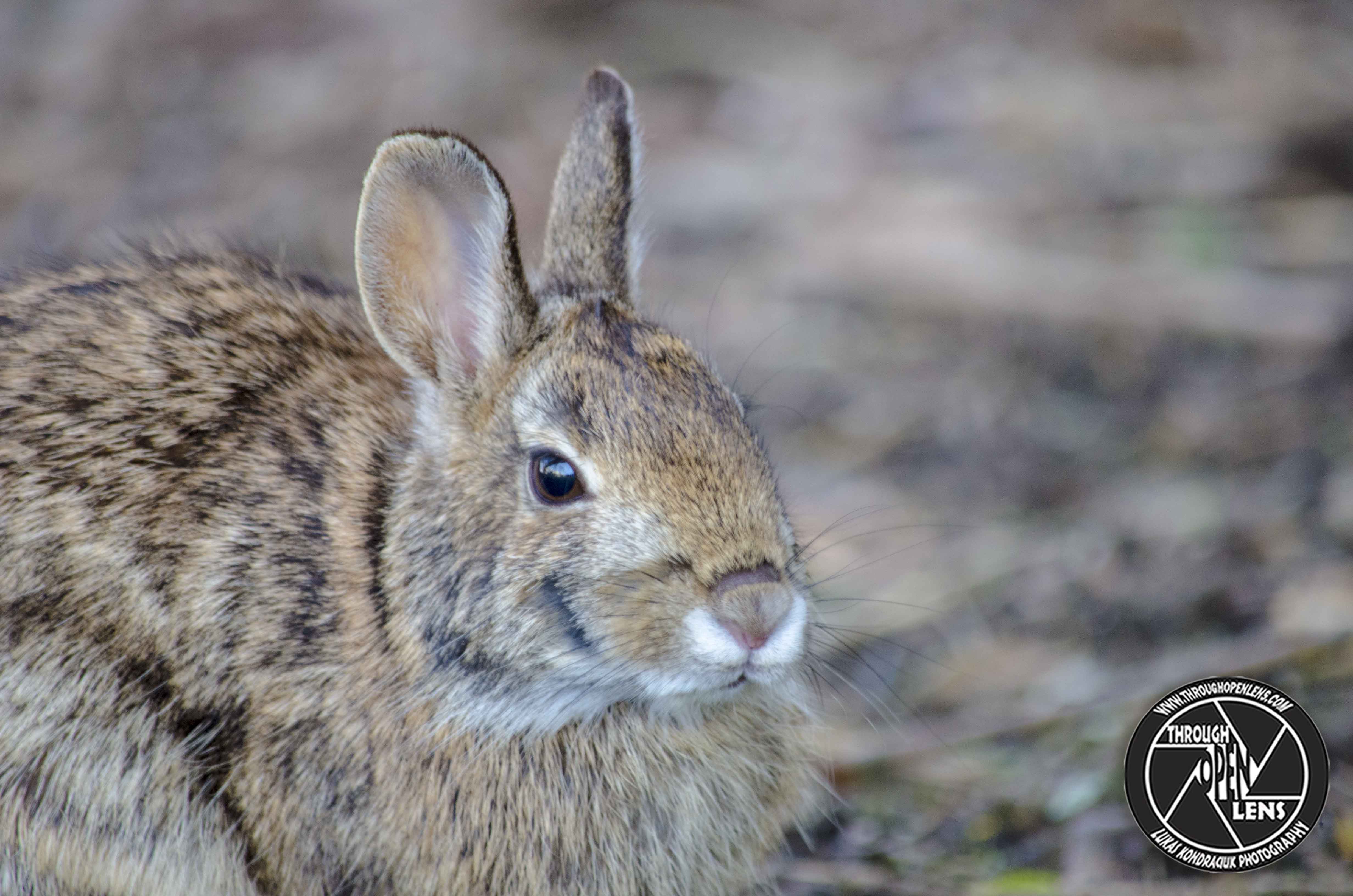
 

If You See Rabbit Laying Little Brown Eggs, Don’t Eat Them, IT’S NOT CHOCOLATE!

Happy Easter Everyone! 

F/5.6, 1/125, ISO 900.

Cottontail Rabbit

What happened to the Easter Bunny when he misbehaved at school?

He was eggspelled!

Interesting Fact: The Easter Bunny (also called the Easter Rabbit or Easter Hare) is a folkloric figure and symbol of Easter, depicted as a rabbit bringing Easter eggs. Originating among German Lutherans, the “Easter Hare” originally played the role of a judge, evaluating whether children were good or disobedient in behaviour at the start of the season of Eastertide.[1] The Easter Bunny is sometimes depicted with clothes. In legend, the creature carries colored eggs in his basket, candy, and sometimes also toys to the homes of children, and as such shows similarities to Santa Claus or the Christkind, as they both bring gifts to children on the night before their respective holidays. The custom was first[2][unreliable source?] mentioned in Georg Franck von Franckenau‘s De ovis paschalibus[3] (‘About Easter Eggs’) in 1682, referring to a German tradition of an Easter Hare bringing Easter eggs for the children. ( https://en.wikipedia.org/wiki/Easter_Bunny )

Roses Are Red And I Am Blue

F/6.3, 1/60, ISO 250.

Blue Jay

Why did the girl bring lipstick and eye shadow to school?

She had a make-up exam!

Interesting Fact: The pigment in Blue Jay feathers is melanin, which is brown. The blue color is caused by scattering light through modified cells on the surface of the feather barbs. ( https://www.allaboutbirds.org/guide/Blue_Jay/lifehistory )

Welcome To The Duck Side. We Have Quackers.

F/9.0, 1/320, ISO 320.

Ruddy Duck 

Why didn’t my girlfriend believe I was a ghost?

She could see right through me.

Interesting Fact:  The nest is usually made of dead, dry plant materials, though some are built entirely with green vegetation. It starts as a platform and becomes more bowl-like throughout the construction process, with an inner cup measuring 4–12 inches across and 0.5–5 inches deep. Ruddy Ducks usually weave a canopy of vegetation over their nests. ( https://www.allaboutbirds.org/guide/Ruddy_Duck/lifehistory )

Bad Hair Day: Ain’t Nobody Got Time For That!

F/9.0, 1/320, ISO 200.

Red-breasted Mergansers 

Can February March?

No, but April May.

Interesting Fact:Red-breasted Mergansers nest along forested riverbanks, marsh edges, lakeshores, coastal islands, and sandy shores with vegetation. They are never far from water. Female Red-breasted Mergansers select a spot on the ground under dense cover from low tree branches, fallen logs, or boulders. They nest alone or in colonies often with gulls and terns. ( https://www.allaboutbirds.org/guide/Red-breasted_Merganser/lifehistory )


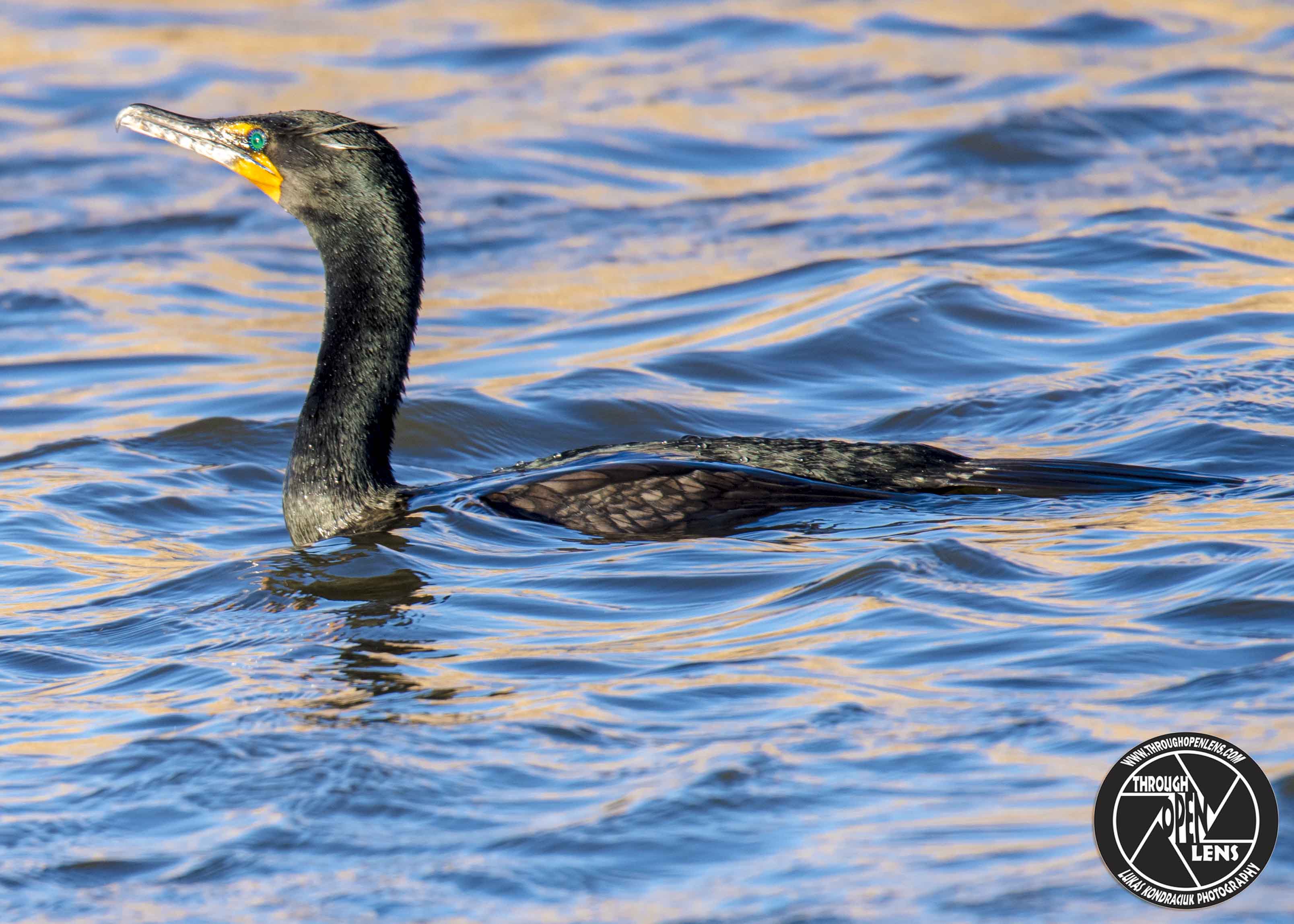
Gone Crazy! Be Back Soon!

F/9.0, 1/320, ISO 320.

Double-crested Cormorant 

What did one toilet say to the other toilet?

You look a bit flushed.

Interesting Fact: Double-crested Cormorant nests often are exposed to direct sun. Adults shade the chicks and also bring them water, pouring it from their mouths into those of the chicks. ( https://www.allaboutbirds.org/guide/Double-crested_Cormorant )

Don’t Look Back You’re Not Going That Way

F/5.6, 1/500, ISO 220.

Least Sandpiper

Browsing in a pet shop, a man sees a beautiful parrot with a red
string tied to its left leg and a green string tied to its right
leg, and asks the store owner about the different colored strings.
“This is a highly-trained parrot,” the owner explains. “If you
pull the red string, he’ll speak French.  If you pull the green
string, he’ll speak Spanish.”
The customer asks, “What happens if I pull both strings?”
“I’ll fall off my perch, dummy!” screeches the parrot.

Interesting Fact: Eastern populations probably fly nonstop over the ocean from the Gulf of St. Lawrence and New England to wintering grounds in northeastern South America, a distance of about 1,800 to 2,500 miles. ( https://www.allaboutbirds.org/guide/Least_Sandpiper/lifehistory )


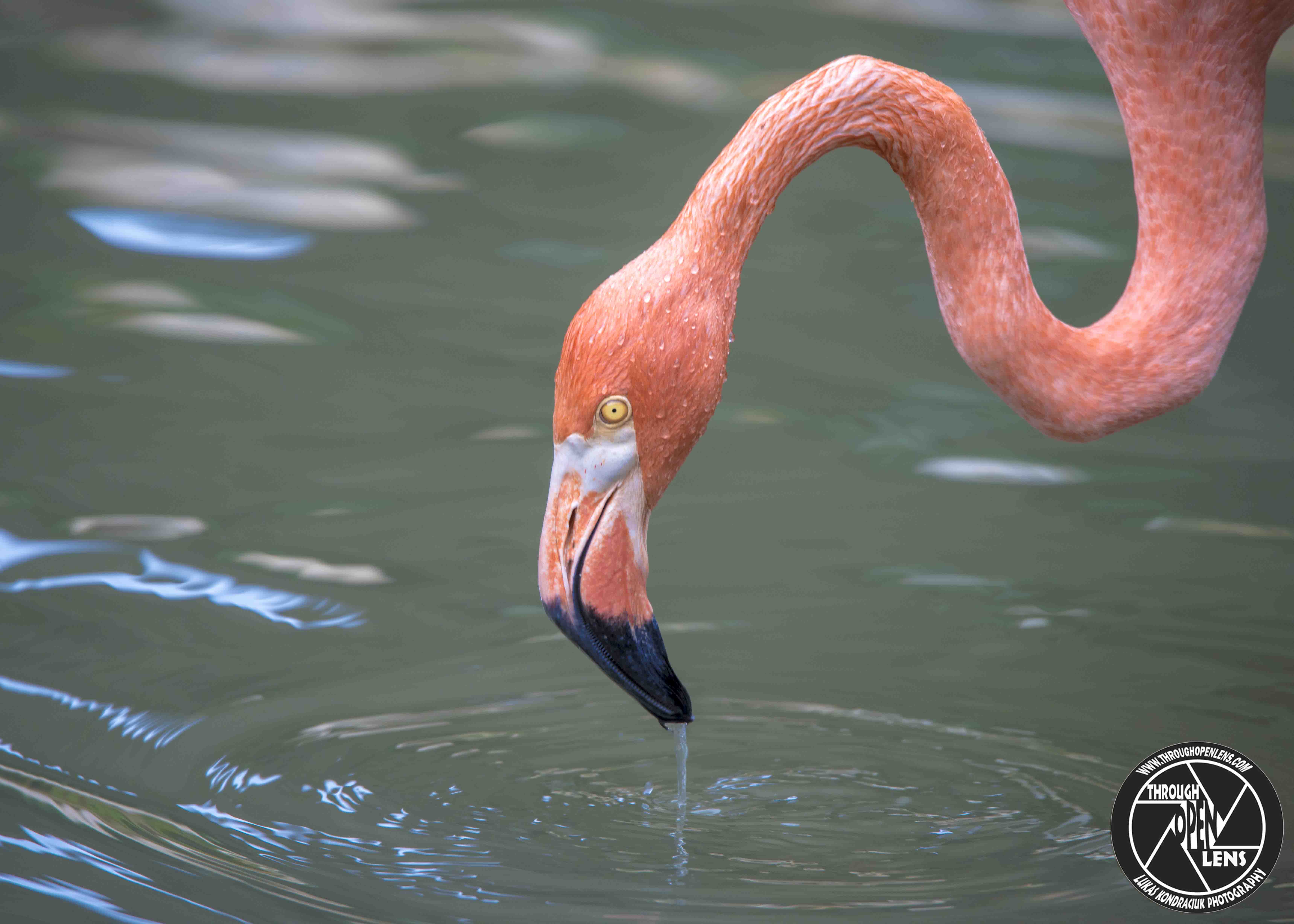
I Don’t Have A Drinking Problem, I Drink, I Get Drunk, I Pass Out, No Problem!

F/7.1, 1/200, ISO 320.

American Flamingo 

Why did the baseball player bring a rope to the game?

He wanted to tie the score

Interesting Fact: American flamingos are saltwater birds that ingest food with a high salt content and mostly drink salt water (with an osmolarity of usually 1000), hyperosmotic to the bodies cells . Also, though not commonly, they can drink fresh water at near-boiling temperatures from geysers. From their high-salt diet, they would lose more water and have a greater salt uptake. One way in which they osmoregulate is through the use of a salt gland, which is found in their beaks.[17] This salt gland helps excrete excess salt from the body through the nasal openings in the flamingo’s beaks. When these birds consume salt, the osmolarity increases in the blood plasma through the gut. This causes water to move out of the cells, increasing extracellular fluids. Both these changes, in turn, activate the salt glands of the bird,[18] but before any activity occurs in the salt glands, the kidney has to reabsorb the ingested sodium from the small intestine. As seen in other saltwater birds, the fluid that is excreted has been seen to have an osmolarity greater than that of the salt water, but this varies with salt consumption and body size. ( https://en.wikipedia.org/wiki/American_flamingo )

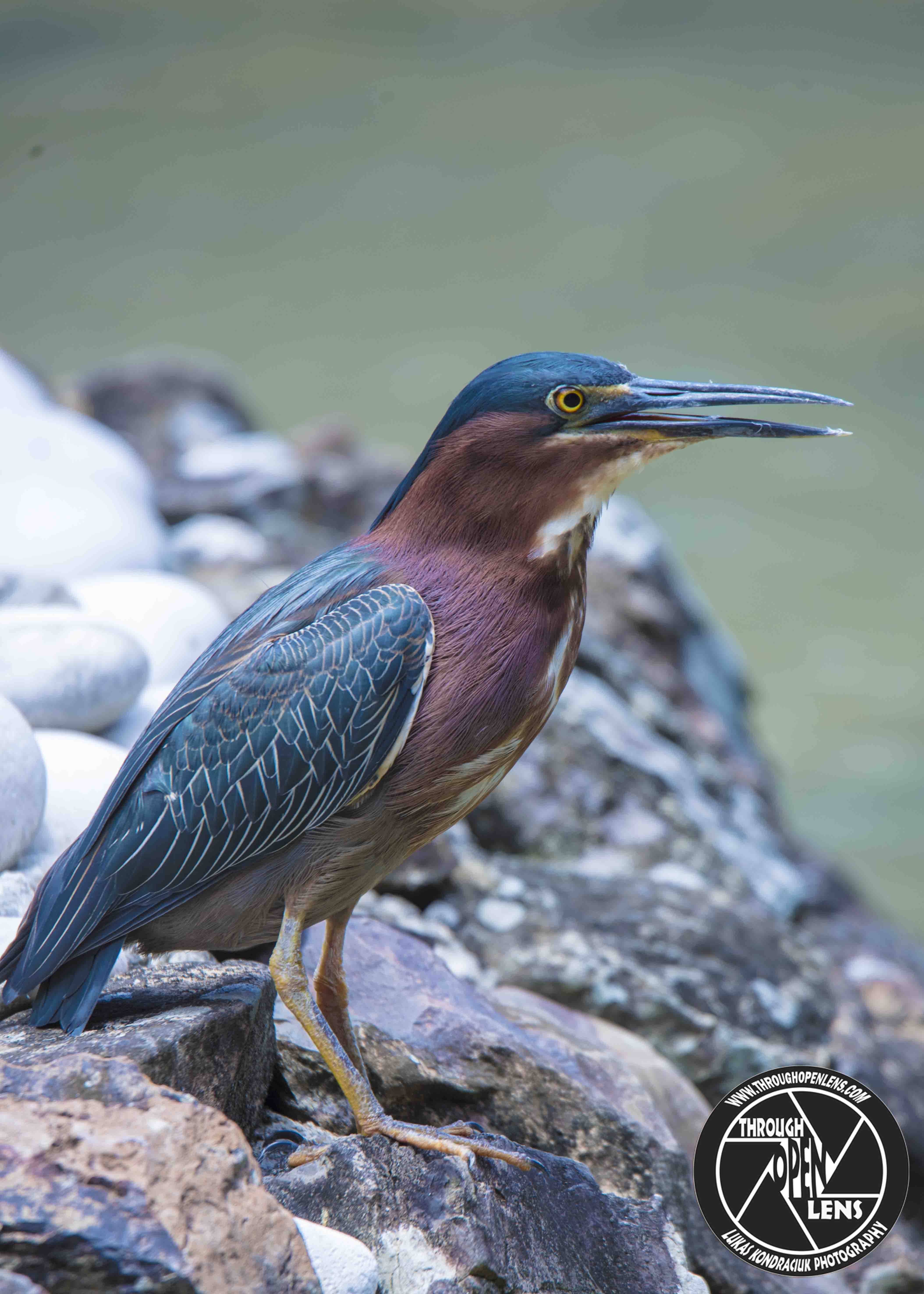
Do You Understand The Words That Are Coming Out Of My Mouth?!

F/6.3, 1/160, ISO 200.

Green Heron

What does a teddy bear say when you offer it a sandwich?

“No thanks, I’m stuffed”

Interesting Fact: Green Herons are common and widespread, but they can be hard to see at first. Whereas larger herons tend to stand prominently in open parts of wetlands, Green Herons tend to be at the edges, in shallow water, or concealed in vegetation. Visit a wetland and carefully scan the banks looking for a small, hunch-backed bird with a long, straight bill staring intently at the water. ( https://www.allaboutbirds.org/guide/Green_Heron )

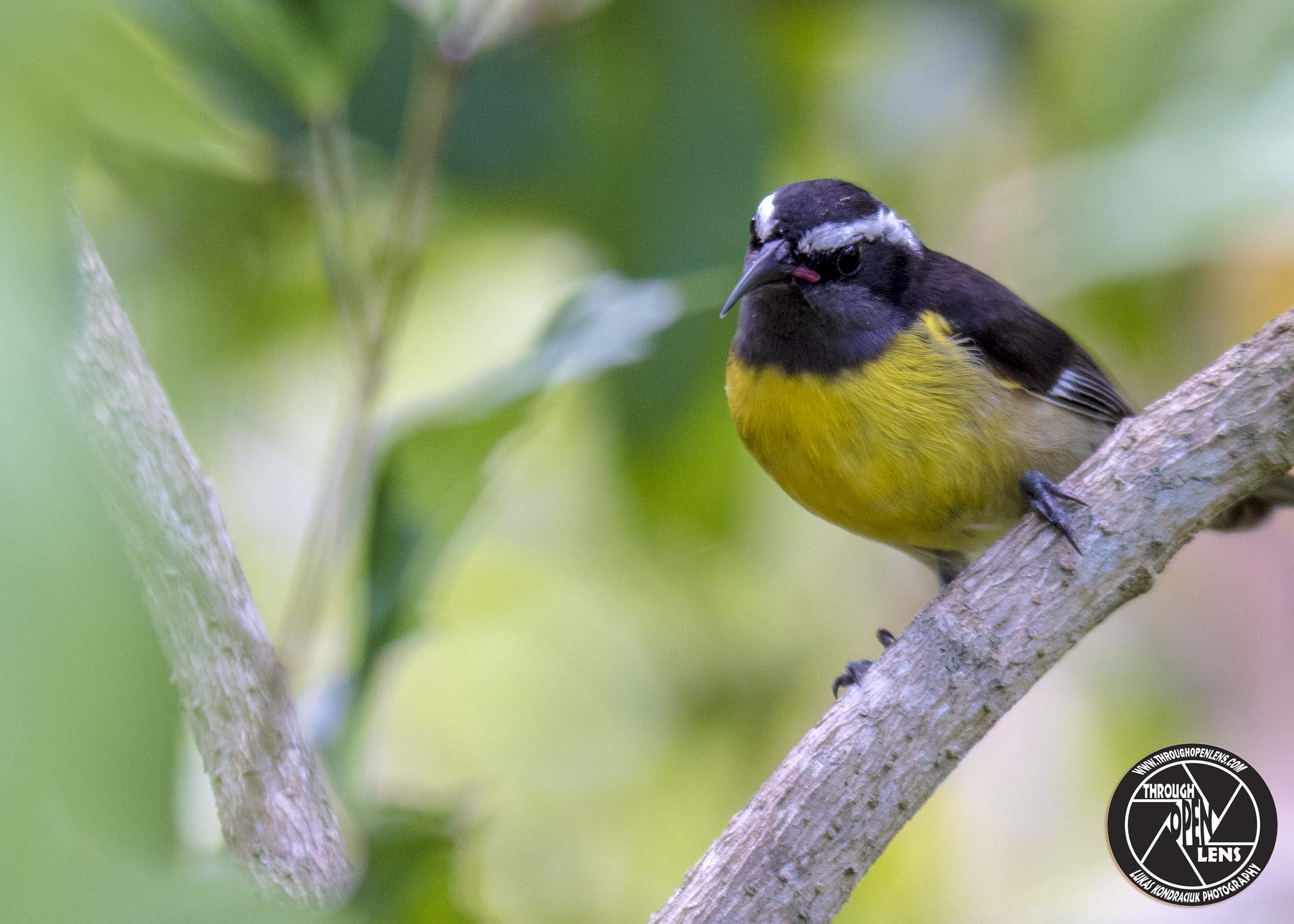
Hey Autocorrect! Quit Tampering With My Curse Words, You Mother Forklift!

F/5.6, 1/100, ISO 640.

Bananaquit

Why did the fly fall off the toilet?

It got pissed off.

Interesting Fact: The bananaquit is known for its ability to adjust remarkably to human environments. It often visits gardens and may become very tame. Its nickname, the sugar bird, comes from its affinity for bowls or bird feeders stocked with granular sugar, a common method of attracting these birds.[19] The bananaquit builds a spherical lined nest with a side entrance hole, laying up to three eggs, which are incubated solely by the female.[4] It may also build its nest in human-made objects, such as lampshades and garden trellises. The birds breed all year regardless of season and build new nests throughout the year. ( https://en.wikipedia.org/wiki/Bananaquit )