Get My Good Side! Ew

F/7.1, 1/200, ISO 250.

Blue Jay

What did one wall say to the other wall?

Meet ya’ at the corner!

Interesting Facts: This common, large songbird is familiar to many people, with its perky crest; blue, white, gray, and black plumage; and noisy calls. Blue Jays are known for their intelligence and complex social systems, and have tight family bonds. They often mate for life, remaining with their social mate throughout the year. ( https://www.allaboutbirds.org/guide/Blue_Jay/lifehistory )

It May Look Like I’m Doing Nothing. But In My Head, I’m Quite Busy.

F/9.0, 1/320, ISO 160.

Sandhill Cranes 

Why are baseball players so cool?

They always have their fans there!

Interesting Fact: During migration and winter the family units group together with other families and nonbreeders, forming loose roosting and feeding flocks—in some places numbering in the tens of thousands. Eggs, nestlings, and injured or sick adults may be hunted by foxes, raccoons, coyotes, wolves, bobcats, crows, ravens, eagles, and owls. Cranes attack aerial predators by leaping into the air and kicking their feet forward. They threaten terrestrial predators by spreading their wings and hissing, eventually resorting to kicking. ( https://www.allaboutbirds.org/guide/Sandhill_Crane/lifehistory )


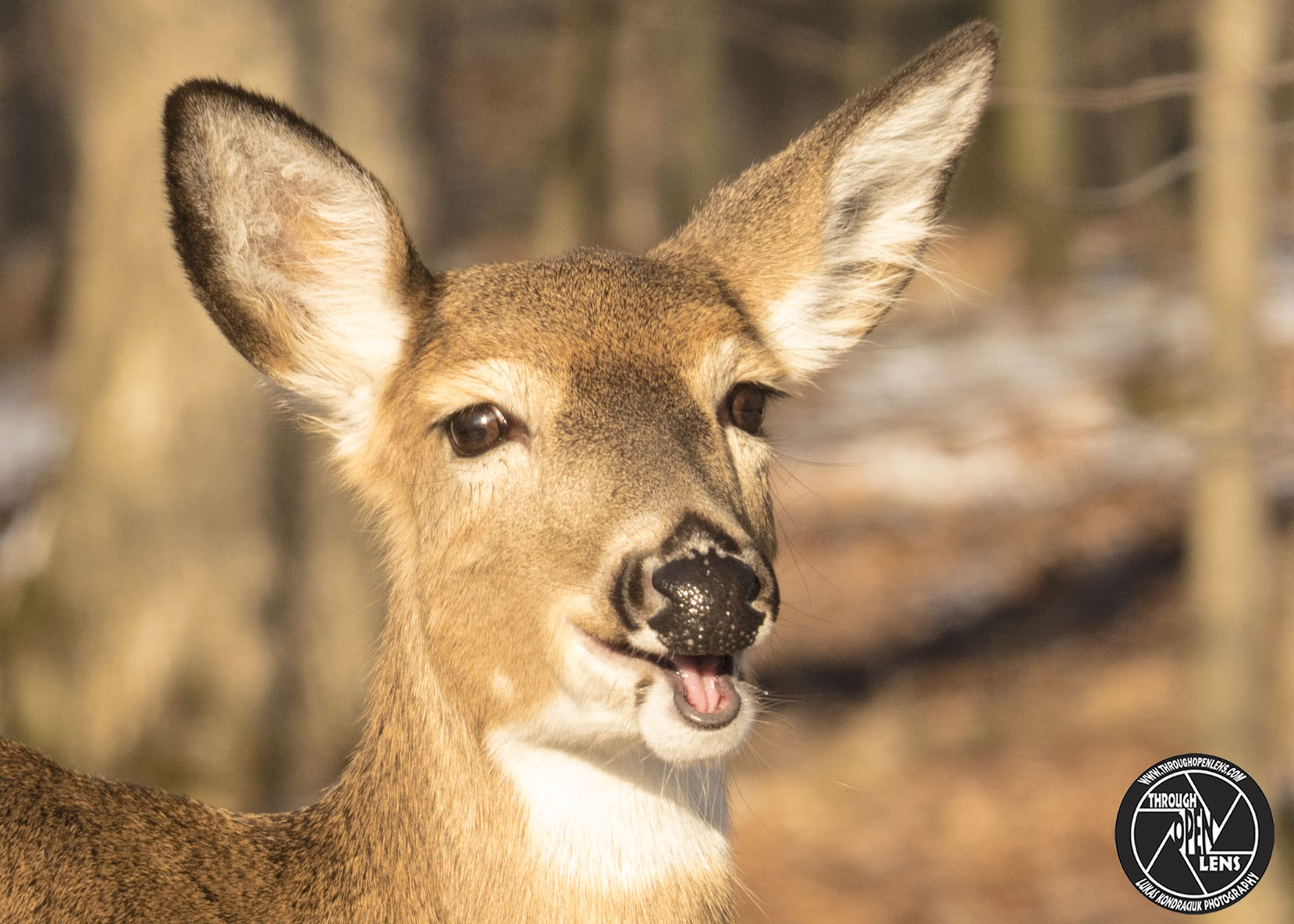
Hey Handsome!

F/9.0, 1/320, ISO 250.

White-Tailed Deer

Did you hear the joke about the butter?

I do not think I should tell you because you might spread it around…

Interesting Fact: Males compete for the opportunity of breeding females. Sparring among males determines a dominance hierarchy.[61] Bucks attempt to copulate with as many females as possible, losing physical condition, since they rarely eat or rest during the rut. The general geographical trend is for the rut to be shorter in duration at increased latitude. Many factors determine how intense the “rutting season” will be; air temperature is a major one. Any time the temperature rises above 40 °F (4 °C), the males do much less traveling looking for females, else they will be subject to overheating or dehydrating. Another factor for the strength in rutting activity is competition. If numerous males are in a particular area, then they compete more for the females. If fewer males or more females are present, then the selection process will not need to be as competitive. ( https://en.wikipedia.org/wiki/White-tailed_deer )

Dont Be Afraid to Stick Your Neck Out!

F/9.0, 1/320, ISO 320.

Ring-necked Duck

Why is it hard for a ghost to tell a lie?

Because you can see right through him.

Interesting Fact:  Ring-necked Ducks feed by diving underwater, rather than by tipping up as “dabbling” ducks do. When diving, they leap forward in an arc to plunge underwater, and they swim using only their feet for propulsion. ( https://www.allaboutbirds.org/guide/Ring-necked_Duck/lifehistory )

Kinda Classy Kinda Hood

F/6.3, 1/500, ISO 220.

Hooded Merganser ( Female )

When is a door sweet and tasty?

When it’s jammed!

Interesting Fact: Unlike dabbling ducks, Hooded Mergansers swim low in the water. Their legs are far back on their bodies, which helps in diving but makes them awkward on land. They take flight by running across the water, flying with fast wingbeats and never gliding until they are about to land (by skidding to a stop on the water). ( https://www.allaboutbirds.org/guide/Hooded_Merganser/lifehistory )


I Give High A New Meaning!

F/13.0, 1/640, ISO 320.

Northern Harrier

What did the eggs say when the cops showed up?

Everybody scramble!

Interesting Fact: Northern Harriers hunt mostly small mammals and small birds, but they are capable of taking bigger prey like rabbits and ducks. They sometimes subdue larger animals by drowning them. ( https://www.allaboutbirds.org/guide/Northern_Harrier )

A Little Mud Never Hurt Anyone!

F/10.0, 1/400, ISO 320.

Northern Pintail Ducks

What did one tube of glue say to the other tube of glue?

We have to stick together.

Interesting Fact: Males and females also lift their chins to greet each other and sometimes tip their chins when threatened. Pairs form on the wintering grounds, but males often mate with other females on the breeding grounds, and pairs only stay together for a single breeding season. Courting males stretch their necks up and tip their bills down while giving a whistle call. Males also preen behind their wing to expose the green speculum. Interested females follow males with head bobbing, preening, and clucking. ( https://www.allaboutbirds.org/guide/Northern_Pintail/lifehistory )


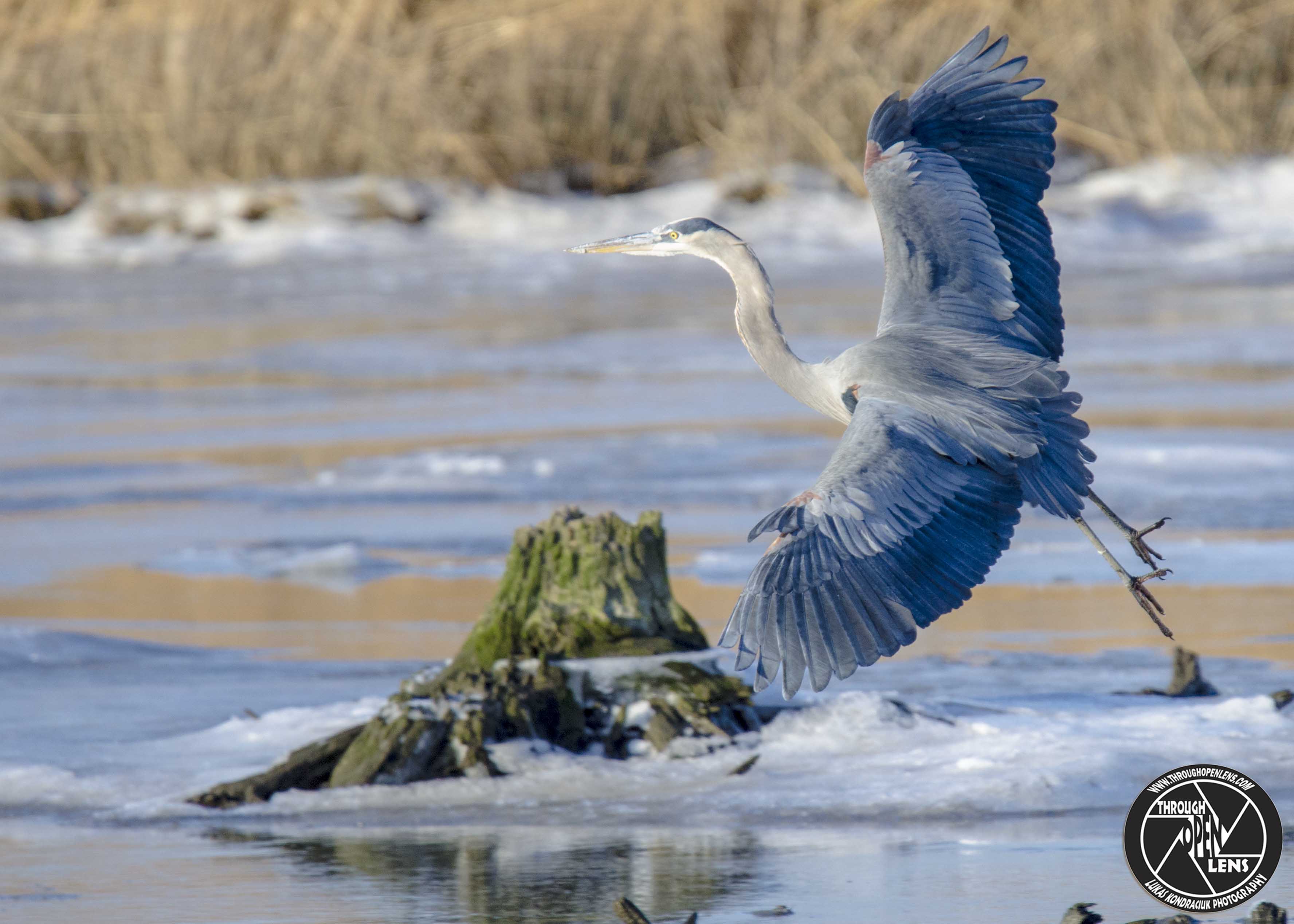
I Spread My Wings And I Fly!

F/6.3, 1/1000, ISO 640.

Great Blue Heron 

Why did the student wear eye-glasses in math class?

It improved DiVision !

Interesting Fact:  In flight the Great Blue Heron folds it neck into an “S” shape and trails its long legs behind, dangling them as it prepares to land or when courting. ( https://www.allaboutbirds.org/guide/Great_Blue_Heron/lifehistory )

Steady As She Goes!

F/6.3, 1/500, ISO 250.

Northern Pintail Duck

What did the salad say to the fridge?

Shut the door, I’m dressing!

Interesting Fact: Seemingly at home on land and water, Northern Pintails waddle through fields and swim gracefully with the tail pointed upwards. They erupt in flight from the water’s surface at a moment’s notice, wheeling and darting through the air on their slender wings.  ( https://www.allaboutbirds.org/guide/Northern_Pintail/lifehistory )


Stay With Me, Sway With Me!

F/6.3, 1/60, ISO 640.

American Black Bear

What do you call a knight who lets people borrow his stuff?

Sir lends a lot

Interesting Facts: When winter arrives, black bears spend the season dormant in their dens, feeding on body fat they have built up by eating ravenously all summer and fall. They make their dens in caves, burrows, brush piles, or other sheltered spots—sometimes even in tree holes high above the ground. Black bears den for various lengths of time governed by the diverse climates in which they live, from Canada to northern Mexico. ( https://www.nationalgeographic.com/animals/mammals/a/american-black-bear/ )