We Get Frequent Flyer Points

F/10.0, 1/400, ISO 200.

Brown Pelicans

What did the bra say to the hat?

You go on a head, and I’ll give these two a lift.

Interesting Fact: During a dive, the Brown Pelican tucks its head and rotates its body to the left. This maneuver is probably to cushion the trachea and esophagus—which are found on the right side of the neck—from the impact. ( https://www.allaboutbirds.org/guide/Brown_Pelican )
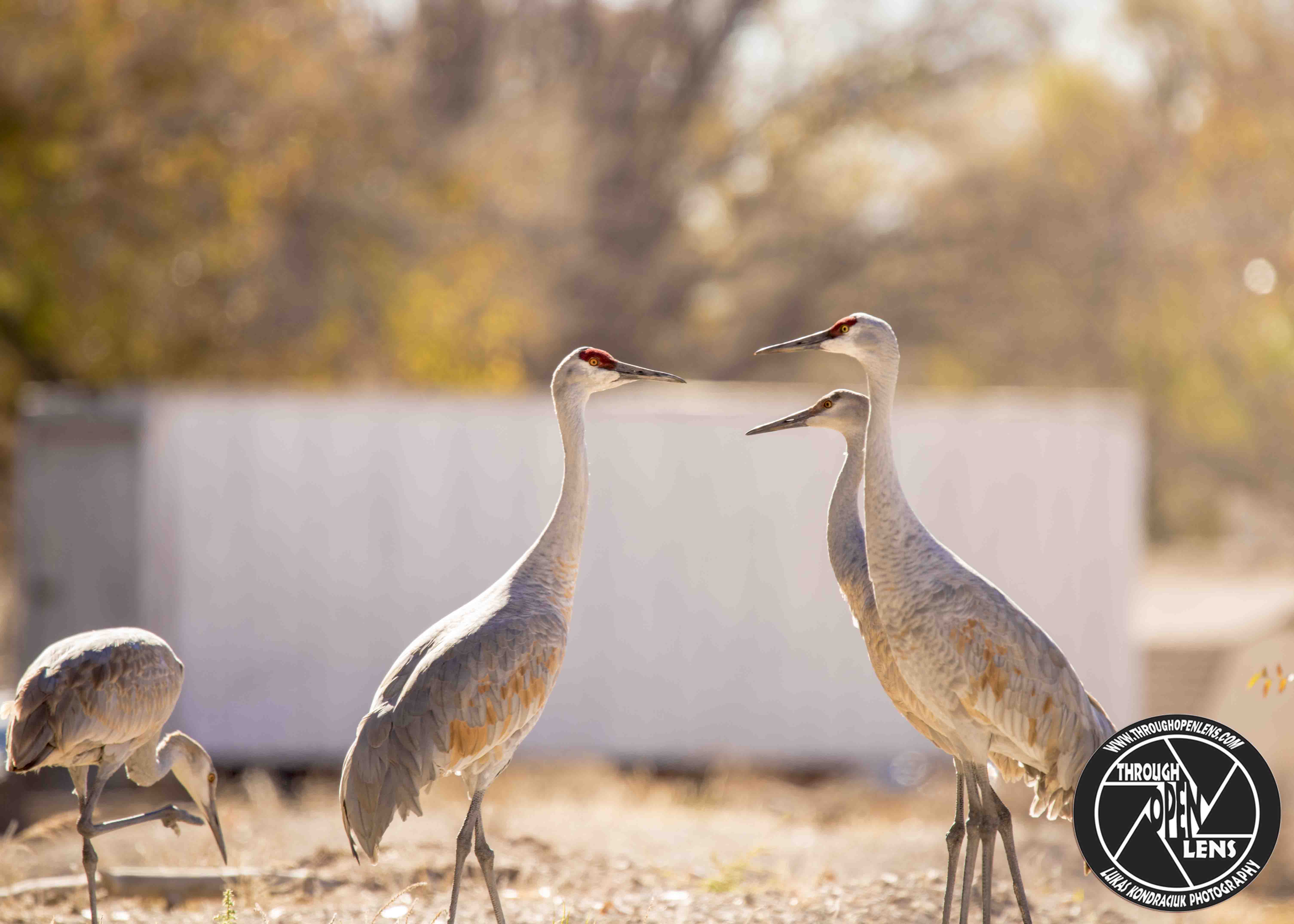
Hey Bro! Want To Have A Staring Contest?!

F/8.0, 1/250, ISO 200.

Sandhill Crane

What did the tie say to the hat?

You go on ahead and I’ll hang around.

Interesting Fact: The elegance of cranes has inspired people in cultures all over the world—including the great scientist, conservationist, and nature writer Aldo Leopold, who wrote of their “nobility, won in the march of aeons.”  ( https://www.allaboutbirds.org/guide/Sandhill_Crane/ )

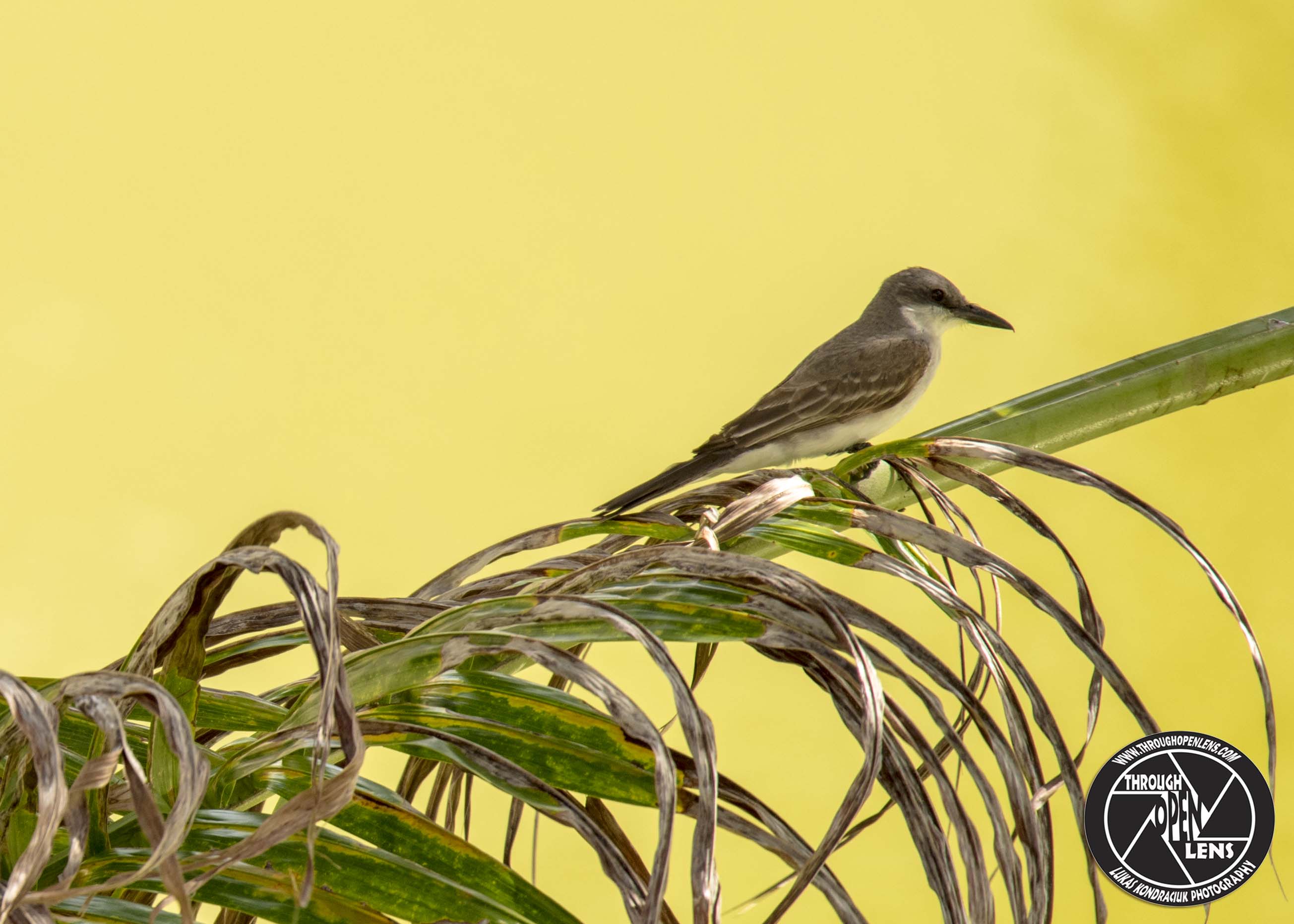
If Being Awesome Was A Crime, I’d Be Serving A Life Sentence!

F/8.0, 1/250, ISO 250.

Gray Kingbird

Where do most zombies live?

On DEAD end streets!

Interesting Fact: Like other kingbirds, these birds aggressively defend their territory against intruders, including mammals and much larger birds such as caracaras, red-tailed hawks and broad-winged hawks. ( https://en.wikipedia.org/wiki/Gray_kingbird )

Its So Fluffy!

F/11.0, 1/500, ISO 400.

Black capped Chickadee 

What is always coming but never arrives?

Tomorrow.

Interesting Fact: Chickadees are active, acrobatic, curious, social birds that live in flocks, often associating with woodpeckers, nuthatches, warblers, vireos, and other small woodland species. They feed on insects and seeds, but seldom perch within several feet of one another while taking food or eating. ( Black-capped Chickadee Life History, All About Birds, Cornell Lab of Ornithology )


Keep Looking Up Thats The Secret Of Life!

F/8.0, 1/250, ISO 400.

Red-Bellied Woodpecker

Dentist: This will hurt a little.

Patient: OK.

Dentist: I’ve been having an affair with your wife for a while now.

Interesting Fact:  These birds often stick to main branches and trunks of trees, where they hitch in classic woodpecker fashion, leaning away from the trunk and onto their stiff tail feathers as they search for food hiding in bark crevices. ( https://www.allaboutbirds.org/guide/Red-bellied_Woodpecker/lifehistory )

I Belong In The Air

F/9.0, 1/320, ISO 1250

Bald Eagle

Did you hear the joke about the roof?

Never mind, it’s over your head!

Interesting Fact: The Bald Eagle has been the national emblem of the United States since 1782 and a spiritual symbol for native people for far longer than that. These regal birds aren’t really bald, but their white-feathered heads gleam in contrast to their chocolate-brown body and wings. ( https://www.allaboutbirds.org/guide/Bald_Eagle )

Good Things Come To Those Who Bait.

F/11.0, 1/500, ISO 125.

Osprey

In class:

Math Teacher: “If I have 5 bottles in one hand and 6 in the other hand, what do I have?”

Student: “A drinking problem.”

Interesting Fact: Osprey eggs do not hatch all at once. Rather, the first chick emerges up to five days before the last one. The older hatchling dominates its younger siblings, and can monopolize the food brought by the parents. If food is abundant, chicks share meals in relative harmony; in times of scarcity, younger ones may starve to death. ( https://www.allaboutbirds.org/guide/Osprey )

Flap Your Wings Like You Mean It.

F/13.0, 1/500, ISO 400.

Bufflehead Duck ( Male )

What do you call a belt with a clock on it?

A waist of time.

Interesting Fact: To dive, Bufflehead compress their plumage to squeeze out air, then give a slight forward leap and plunge powerfully downward. They hold their wings tightly against their bodies underwater and use only their feet to propel themselves. ( Bufflehead Life History, All About Birds, Cornell Lab of Ornithology )

Do You Feel Ducky, Punk!

F/13.0, 1/640, ISO 400.

Hooded Merganser Male

Where do you take a sick boat?

To the dock.

Interesting Fact: Unlike dabbling ducks, Hooded Mergansers swim low in the water. Their legs are far back on their bodies, which helps in diving but makes them awkward on land. They take flight by running across the water, flying with fast wingbeats and never gliding until they are about to land (by skidding to a stop on the water). ( Hooded Merganser Life History, All About Birds, Cornell Lab of Ornithology )


We Go Together Like Copy And Paste.

F/10.0, 1/1600, ISO 800.

Common Mergansers

Why can’t you trust an atom?

They make up everything.

Interesting Fact: The female chooses the nest site, which is usually in a natural cavity or woodpecker hole in a live or dead tree, up to 100 feet off the ground and within a mile of water. Common Mergansers nest less frequently in rock crevices, old sheds, chimneys, lighthouses, holes in banks, holes in the ground, hollow logs, and burrows. ( Common Merganser Life History, All About Birds, Cornell Lab of Ornithology)