The Time You Enjoy Wasting Is Not Wasted Time!

F/7.1, 1/200, ISO 320.

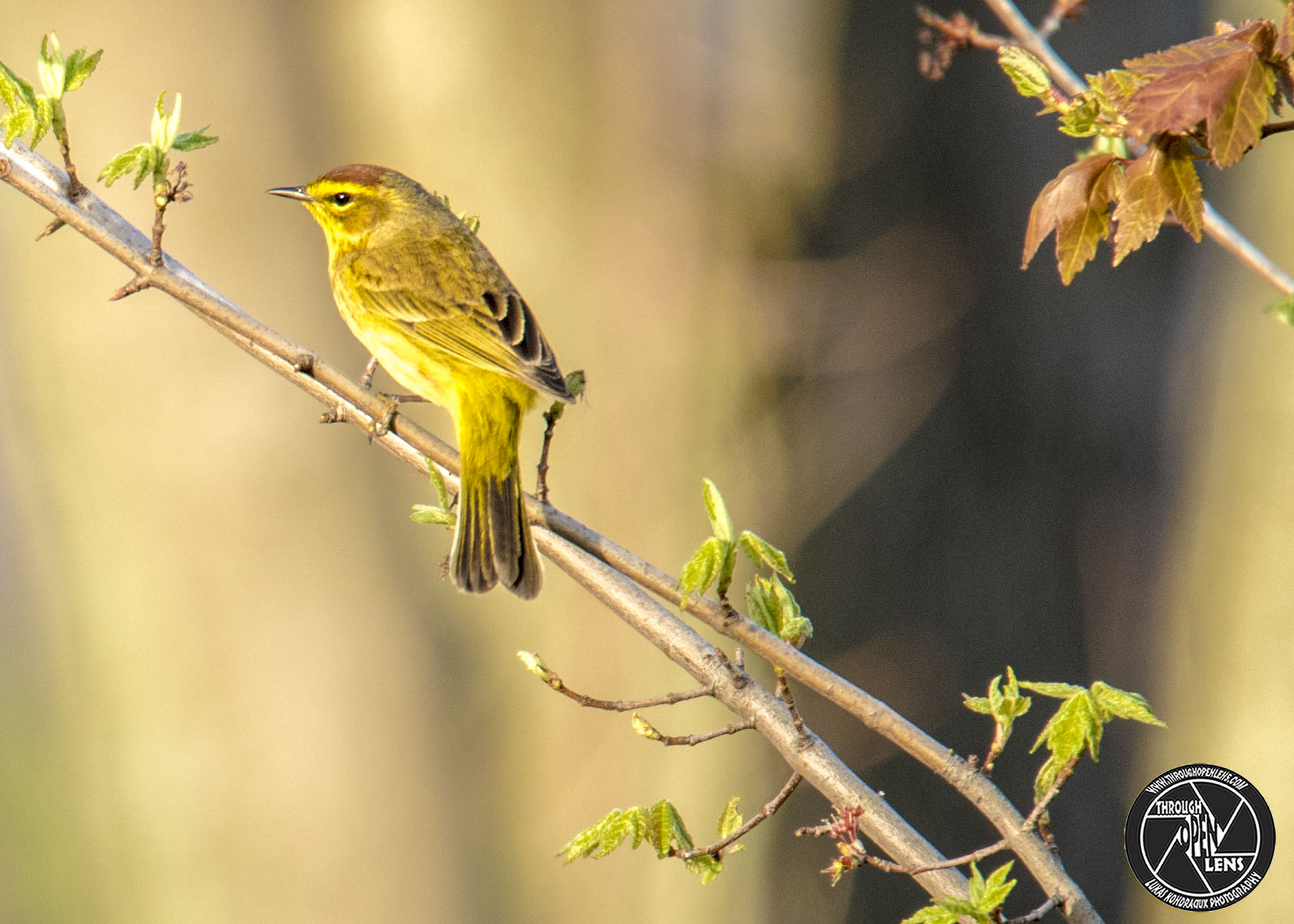
Palm Warbler

What’s red and bad for your teeth?

A brick.

Interesting Fact: Though the Palm Warbler’s name might imply it is a tropical bird, it’s actually one of the northernmost breeding of all warblers (only the Blackpoll Warbler breeds farther north). They got their name from J. P. Gmelin who named them based on a specimen collected on Hispaniola, a Caribbean island with a lot of palm trees. ( https://www.allaboutbirds.org/guide/Palm_Warbler )

Keep Calm And Quack On!

F/9.0, 1/320, ISO 200.

Red-breasted Merganser  

A motorist in a B.M.W. was driving through the countryside on a beautiful Saturday afternoon, having a lovely time, when he came to an area of the road that was covered with a rather large puddle of water from a previous rain storm. Worried that he was going to damage the car and its engine in the deep water, he spotted a nearby farmer and asked how deep the water was. “Arr”, said the local farmer “That water only be a few inches deep!” Relieved, the motorist edged his car into the water, expecting to come out the other side in no time. Instead, as he drove in, the water came right up the side of the car, and the engine sputtered to a halt. Sitting there in his soaking wet luxury car, the motorist yelled at the local angrily: “I thought you said this water was only a few inches deep!!!” “Well,” replied the local farmer “It only come up to the waist of them there ducks!”

Interesting Fact: It prefers salt water more than the other two species of merganser. ( http://identify.whatbird.com/obj/115/overview/Red-breasted_Merganser.aspx )

It’s Good To Be The King

F/7.1, 1/200, ISO 250.

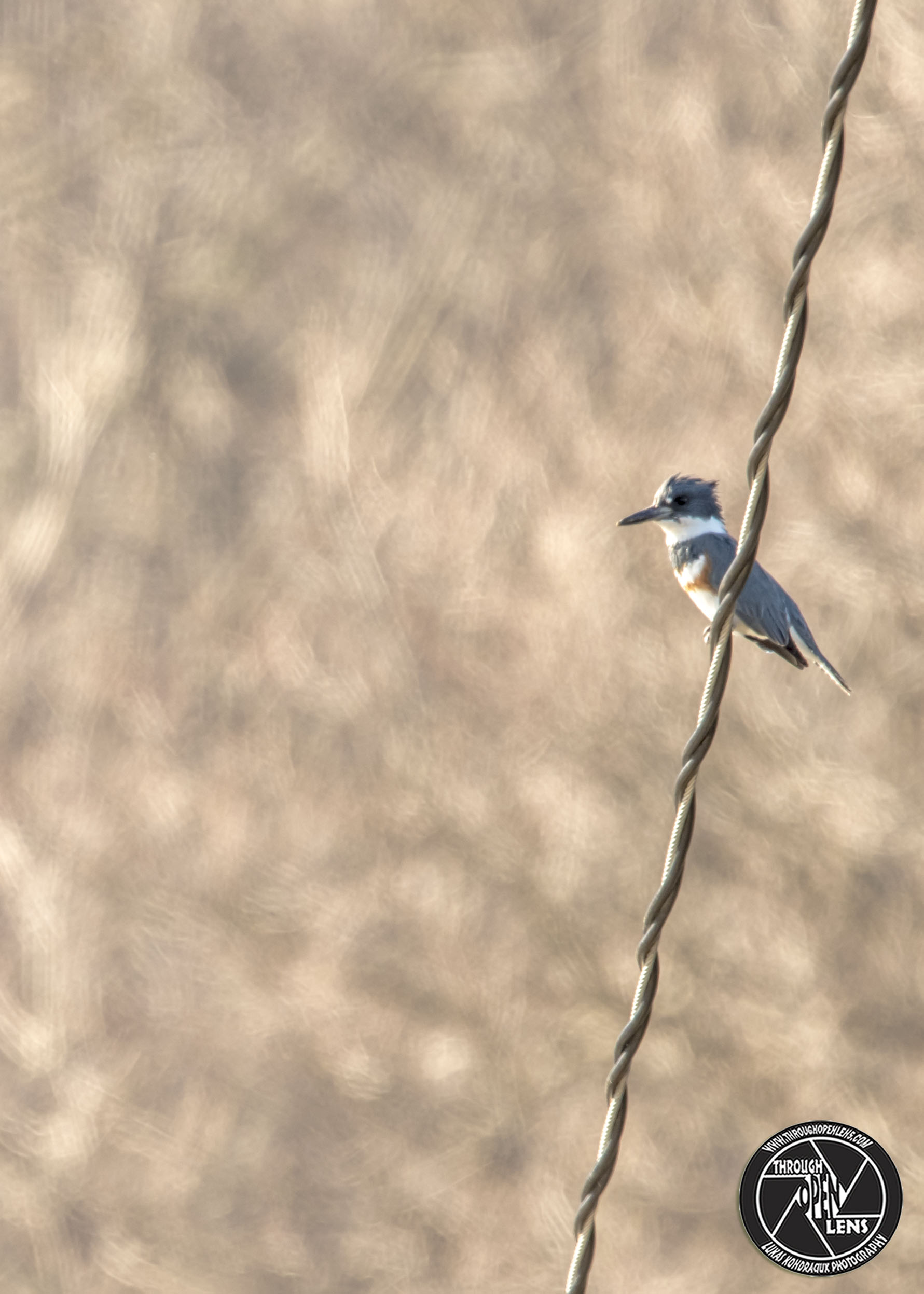
Belted Kingfisher

What do you call a pig that does karate?

A pork chop.

Interesting Fact: Belted Kingfishers excavate burrows in earthen banks, usually avoiding ones with vegetation (especially trees, whose roots get in the way of digging). They generally choose a bank near water, but may use a ditch, road cut, landfill, sand pit, or gravel pit far from water. A pair may select a nest site during courtship, usually high in the bank where floodwaters are unlikely to reach. The male probes the bank with his bill, flying back and forth to the female, who calls continuously from a nearby perch. ( https://www.allaboutbirds.org/guide/Belted_Kingfisher/lifehistory )

Buck Off!

F/6.3, 1/125, ISO 640.

White-Tailed Deer

I give a dead battery away today…

Free of charge!

Interesting Fact: Males regrow their antlers every year. About one in 10,000 females also has antlers, although this is usually associated with freemartinism.https://en.wikipedia.org/wiki/White-tailed_deer

It Will Be A Good Day As Long As You Won’t Hit Or Bite Anyone!

F/6.3, 1/80, ISO 320.

Common Yellowthroat

Why is Peter Pan always flying?

Because he neverlands.

Interesting Fact: Each male normally has only one mate in his territory during a breeding season. However, a female’s mating calls often attract other males, and she may mate with them behind her mate’s back. ( https://www.allaboutbirds.org/guide/Common_Yellowthroat/ )

When I Am Knocking, You Better Open Up!

F/9.0, 1/320, ISO 250.

Red-Bellied Woodpecker

A police officer caught two kids playing with a firework and a car battery.

He charged one and let the other one off.

Interesting Fact: A Red-bellied Woodpecker can stick out its tongue nearly 2 inches past the end of its beak. The tip is barbed and the bird’s spit is sticky, making it easier to snatch prey from deep crevices. Males have longer, wider-tipped tongues than females, possibly allowing a breeding pair to forage in slightly different places on their territory and maximize their use of available food.  ( https://www.allaboutbirds.org/guide/Red-bellied_Woodpecker/lifehistory )

I Have A Leg Up On You

F/10.0, 1/400, ISO 250.

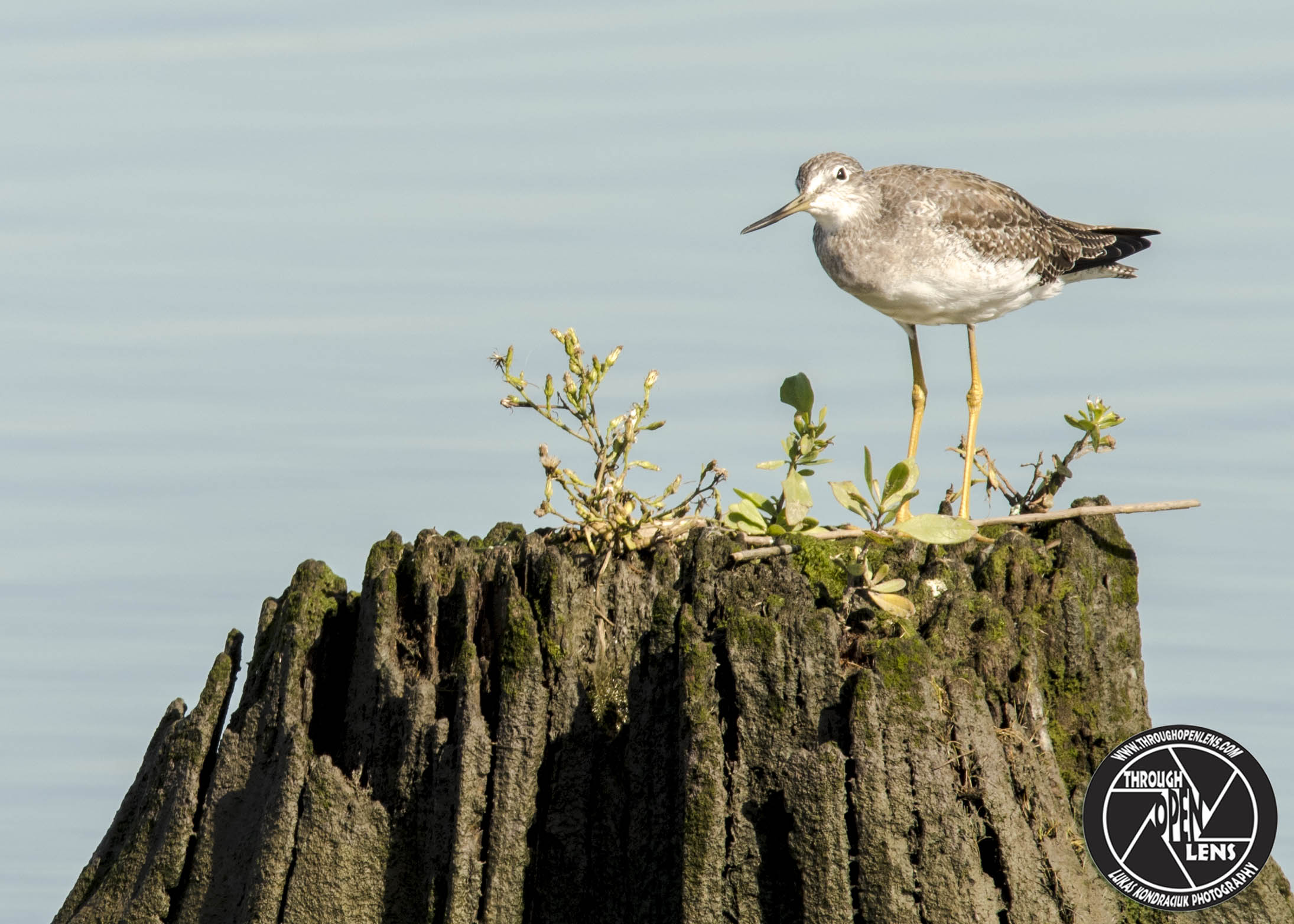
Greater Yellowlegs

Ghosts are hard to impress.

They boo everything.

Interesting Fact: Their breeding habitat is bogs and marshes in the boreal forest region of Canada and Alaska. They nest on the ground, usually in well-hidden locations near water. The three to four eggs average 50 mm (2.0 in) in length and 33 mm (1.3 in) in breadth and weigh about 28 g (0.99 oz). The incubation period is 23 days. The young leave the nest within 24 hours of hatching and then leave the vicinity of the nest within two days.( https://en.wikipedia.org/wiki/Greater_yellowlegs )

The Truth Is Hard To Swallow When You’re Choking On Your Pride!

F/11.0, 1/500, ISO 250.

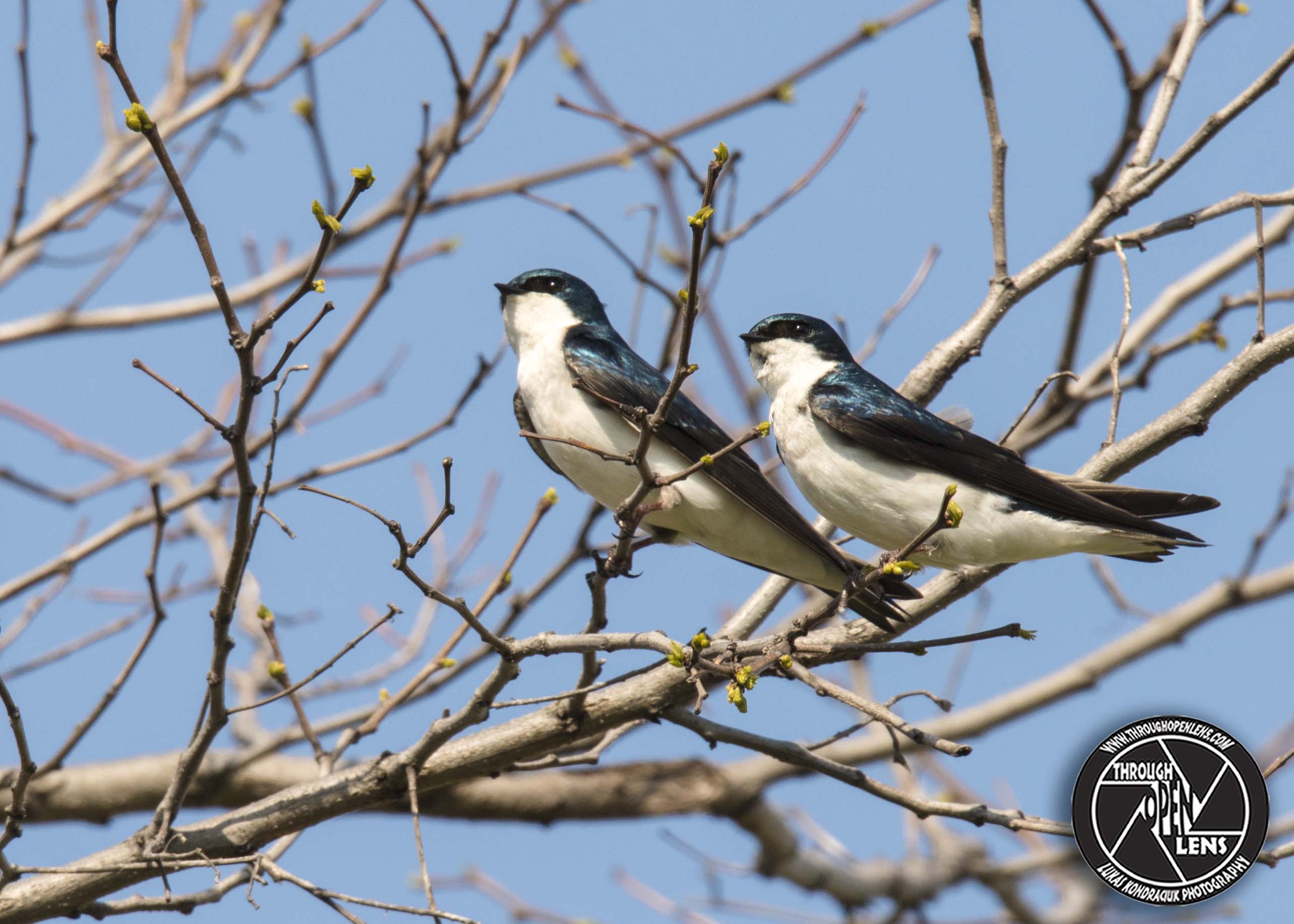
Tree Swallows

What do you call a guy who never farts in public?

A private tutor.

Interesting Fact: Tree Swallows have helped researchers make major advances in several branches of ecology, and they are among the best-studied bird species in North America. Still, we know little about their lives during migration and winter. ( https://www.allaboutbirds.org/guide/Tree_Swallow/lifehistory )

You Give Me The Chills!

F/10.0, 1/400, ISO 160.

Red-tailed Hawk

Two snakes are talking.

One of them turns to the other and asks, “Are we venomous?”

The other replays, “Yes,why?…”

“I just bit ma lip.”

Interesting Fact: Red-tailed Hawks typically put their nests in the crowns of tall trees where they have a commanding view of the landscape. They may also nest on a cliff ledge or on artificial structures such as window ledges and billboard platforms. ( https://www.allaboutbirds.org/guide/Red-tailed_Hawk/lifehistory

Life Always Offers You A Second Chance. It’s Called Tomorrow.

F/10.0, 1/400, ISO 250.

Greater Yellowlegs

Beer Bottle: You break me, you get 1 year of bad luck!

Mirror: You kiddin’ me? You break me, then you will get 7 years of bad luck! 

Condom: Hahaha… (Condom walks off laughing)

Interesting Fact: These birds forage in shallow water, sometimes using their bills to stir up the water. They mainly eat insects and small fish, as well as crustaceans and marine worms. It often walks in sand or mud and leaves clear tracks; it can be possible to gather information about this species using its tracks. ( https://en.wikipedia.org/wiki/Greater_yellowlegs )