Yes I Walked Away Mid-Conversation. You Were Boring Me To Death And My Survival Instincts Kicked In.

F/11.0, 1/500, ISO 400.

Great Blue Heron 

What happened when the lion ate the comedian?

He felt funny!

Interesting Fact: Great Blue Herons can hunt day and night thanks to a high percentage of rod-type photoreceptors in their eyes that improve their night vision. ( https://www.allaboutbirds.org/guide/Great_Blue_Heron )


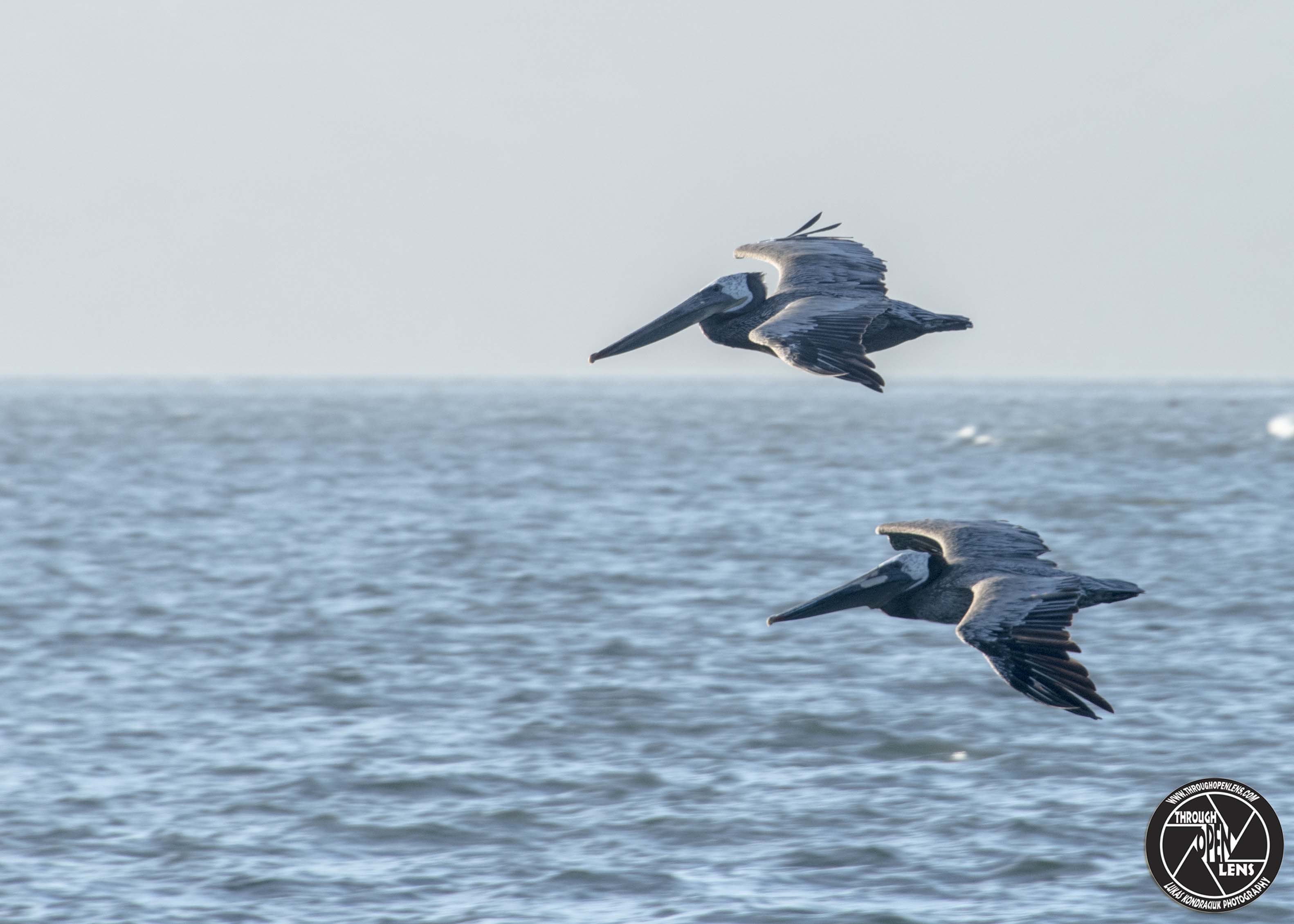
You Never Leave Your Wingman!

F/ 9.0, 1/320, ISO 250.

Brown Pelicans 

Why does Piglet smell so bad?

Because he plays with Pooh.

Interesting Fact: Pelicans usually feed above estuaries and shallow ocean waters within 12 miles of shore, but sometimes venture over the deeper waters past the narrow continental shelf of the Pacific coast. They occasionally feed by sitting on the surface and seizing prey with their bills, like other pelican species, usually when a dense school of fish is close to the surface and the water is too shallow and muddy to plunge. They also steal food from other seabirds, scavenge dead animals, and eat invertebrates such as prawns. ( https://www.allaboutbirds.org/guide/Brown_Pelican/lifehistory )

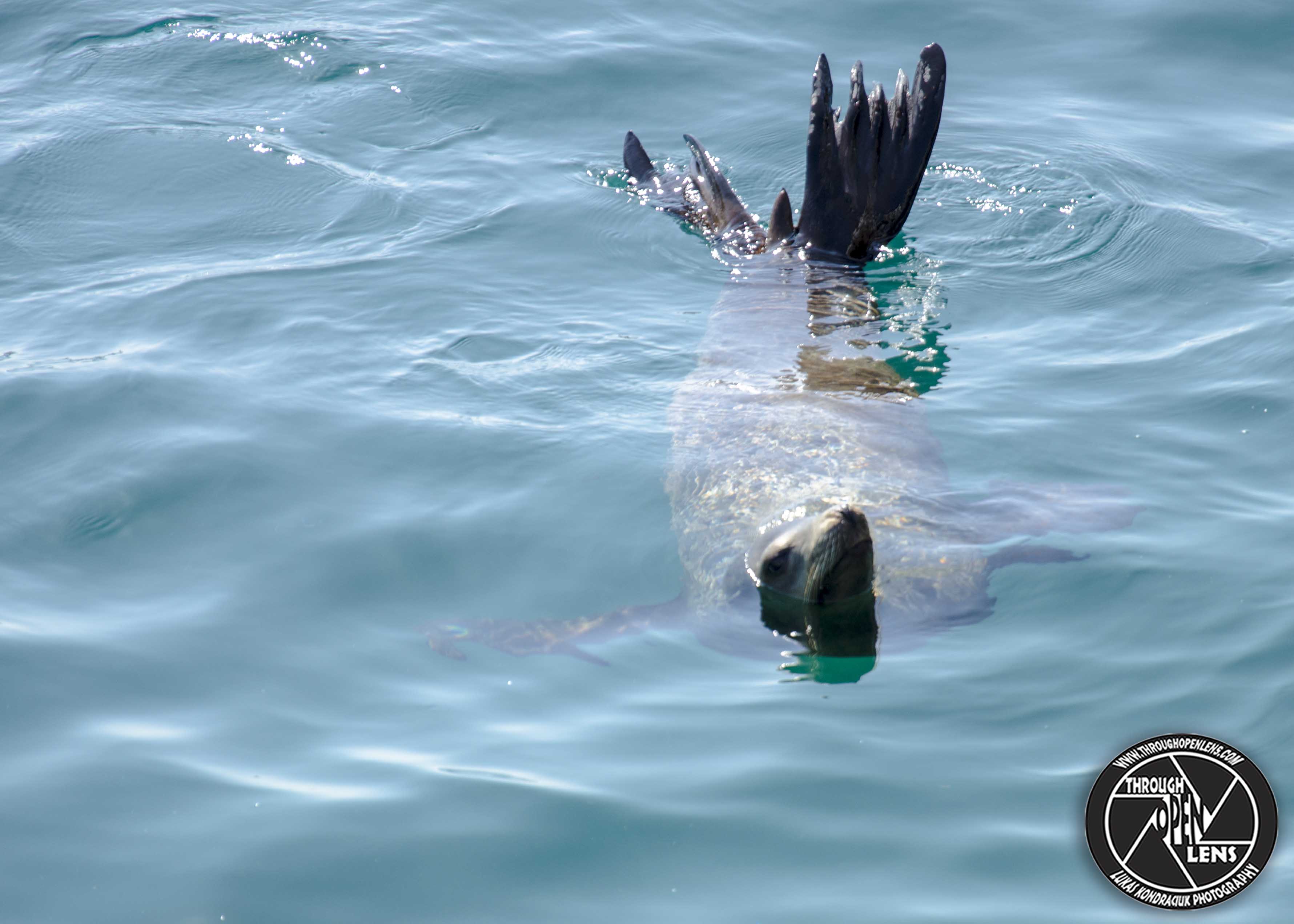
Just Smile And Wave!

F/5.6, 1/320, ISO 100.

California Sea Lion 

Why do sea lions go to Tupperware parties?

To find a tight seal!

Interesting Fact: When diving deep, California sea lions slow their heart rates to allow them to remain underwater for nearly ten minutes before surfacing to breathe. This ability gives them an edge in the pursuit of the fish, squid, and shellfish that make up their primary diet. ( http://www.nationalgeographic.com/animals/mammals/c/california-sea-lion/ )

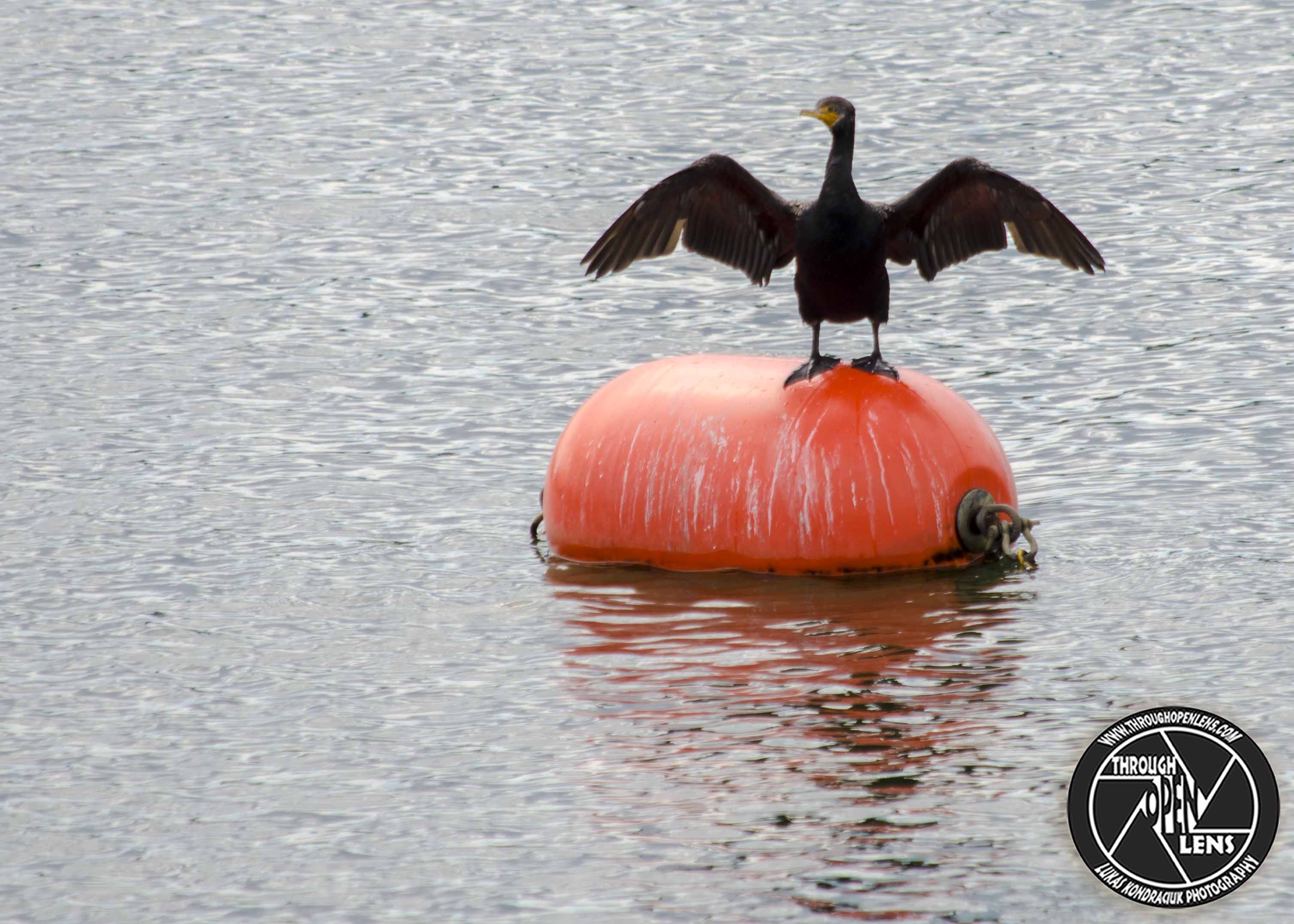
I Don’t Need Therapy, I Need A Hug!

F/9.0, 1/320, ISO 100.

Double-crested Cormorant

Tom had asked Fred to help him out with the deck after work, so Fred went straight over to Tom’s place. When they got to the door, Tom went straight to his wife, gave her a hug and told her how beautiful she was and how much he had missed her at work.
When it was time for dinner, he complimented his wife on her cooking, kissed her and told her how much he loved her. Once they were working on the deck, Fred told Tom that he was surprised that he fussed so much over his wife. Tom said that he’d started this about 6 months ago, it had revived their marriage and things couldn’t be better.
Fred thought he’d give it a go. When he got home, he gave his wife a massive hug, kissed her and told her that he loved her. His wife burst into tears. Fred was confused and asked why she was crying.
She said, “This is the worst day of my life. First, little Bobby fell off his bike and twisted his ankle. Then, the washing machine broke and flooded the basement. And now, you come home drunk!”

Interesting Fact: The double-crest of the Double-crested Cormorant is only visible on adults during breeding season. The crests are white in cormorants from Alaska, and black in other regions.  ( https://www.allaboutbirds.org/guide/Double-crested_Cormorant/lifehistory )

Double Take!

F/8.0, 1/250, ISO 250.

White-Cheeked Pintail

What kind of water do you put into a waterbed?

Spring water.

Interesting Fact: It is found in the CaribbeanSouth America, and the Galápagos Islands.[4] It occurs on waters with some salinity, such as brackish lakes, estuaries and mangrove swamps. ( https://en.wikipedia.org/wiki/White-cheeked_pintail )

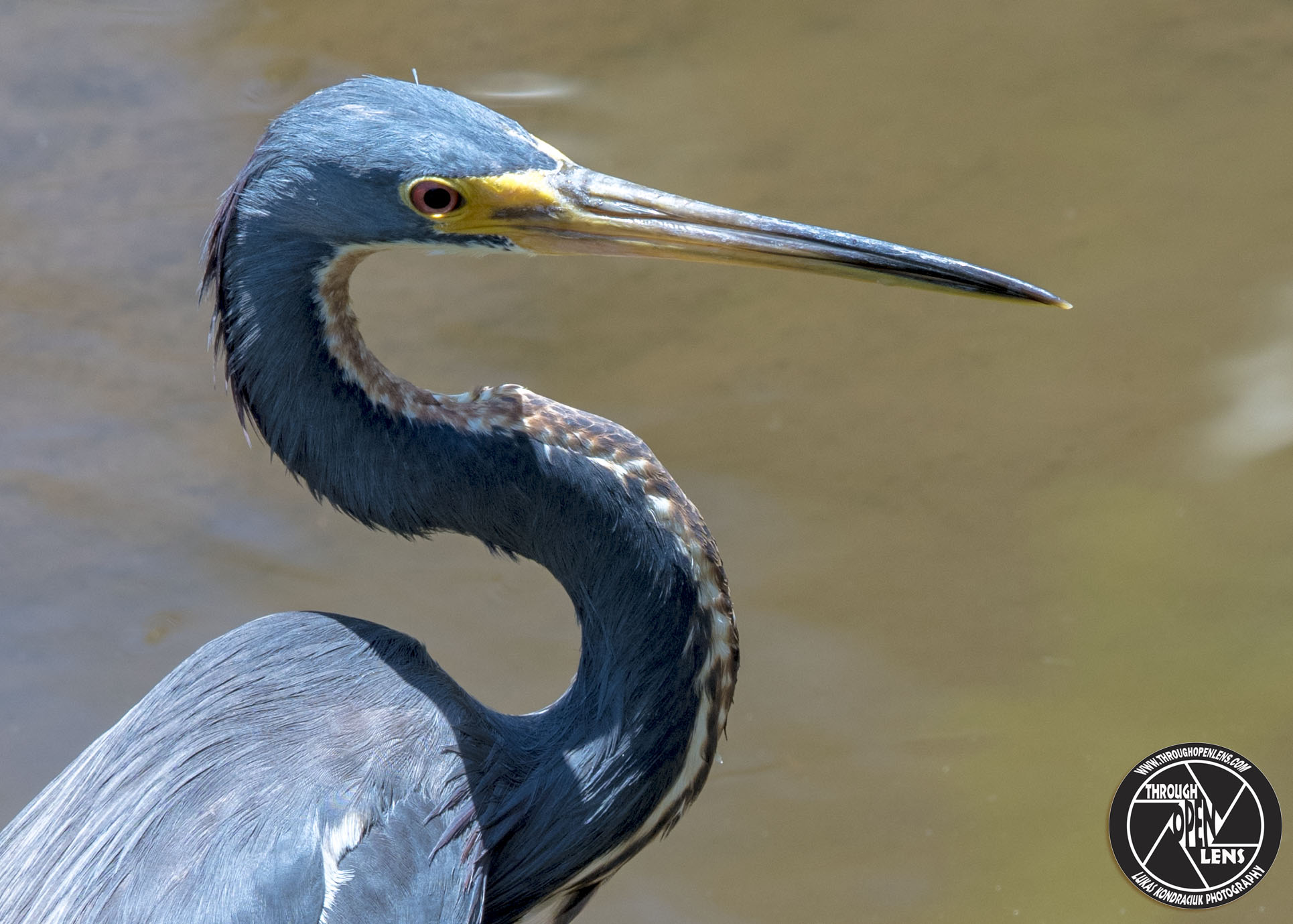
“S” Stands For Both SADNESS And SMILE. It’s Up To You How You Wanna See It.

F/8.0, 1/250, ISO 250.

Tricolored-Heron

Why did the worker get fired from the calendar factory?

He took a day off.

Interesting Facts: Although they are solitary foragers, they nest in colonies often with other herons and egrets. At the colony males are aggressive toward all individuals that come near the nest site, but gradually let a female enter during courtship. Aggressive posturing includes calling, stretching the neck straight up, fluffing up the crest feathers, holding the wings below and away from the body, fighting and jabbing in midair, and shaking twigs. Males court females near the nest site. Males bow down, grab a twig, and then stretch the head straight up while snapping the bill. ( https://www.allaboutbirds.org/guide/Tricolored_Heron/lifehistory )

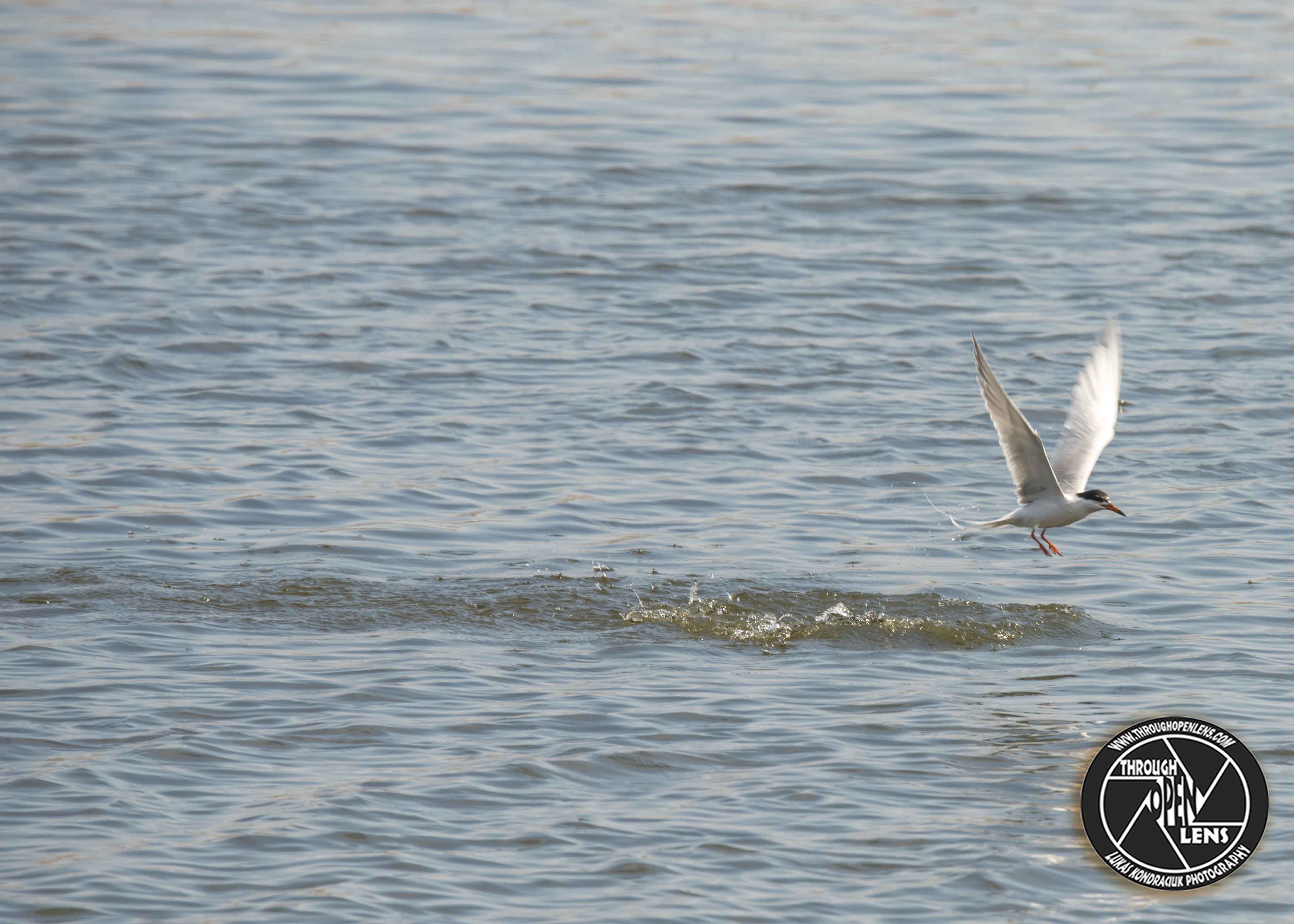
I Can Fly! What’s Your Superpower?

F/10.0, 1/400, ISO 160.

Common Tern

What do you call cheese that is not yours?

Nacho Cheese

Interesting Fact: Plunges into water from flight; may hover briefly before plunging. ( https://www.allaboutbirds.org/guide/Common_Tern/lifehistory )

From Small Beginnings Come Great Things

F/5.6, 1/200, ISO 100.

Canada Goose Goslings

What do you get when you cross fish and an elephant?

Swimming trunks.

Interesting Fact: Young often remain with their parents for their entire first year, especially in the larger subspecies. As summer wanes birds become more social; they may gather in large numbers at food sources; where food is limited and patchy, may compete with displays and fights.  ( https://www.allaboutbirds.org/guide/Canada_Goose/lifehistory )

When In Doubt Chill Out!

F/8.0, 1/250, ISO 250.

Great Blue Heron

Why was strawberry sad?

Because her mom was in a jam.

Interesting Fact: Great Blue Herons nest mainly in trees, but will also nest on the ground, on bushes, in mangroves, and on structures such as duck blinds, channel markers, or artificial nest platforms. Males arrive at the colony and settle on nest sites; from there, they court passing females. Colonies can consist of 500 or more individual nests, with multiple nests per tree built 100 or more feet off the ground. ( https://throughopenlens.com/tag/great-blue-heron/ )

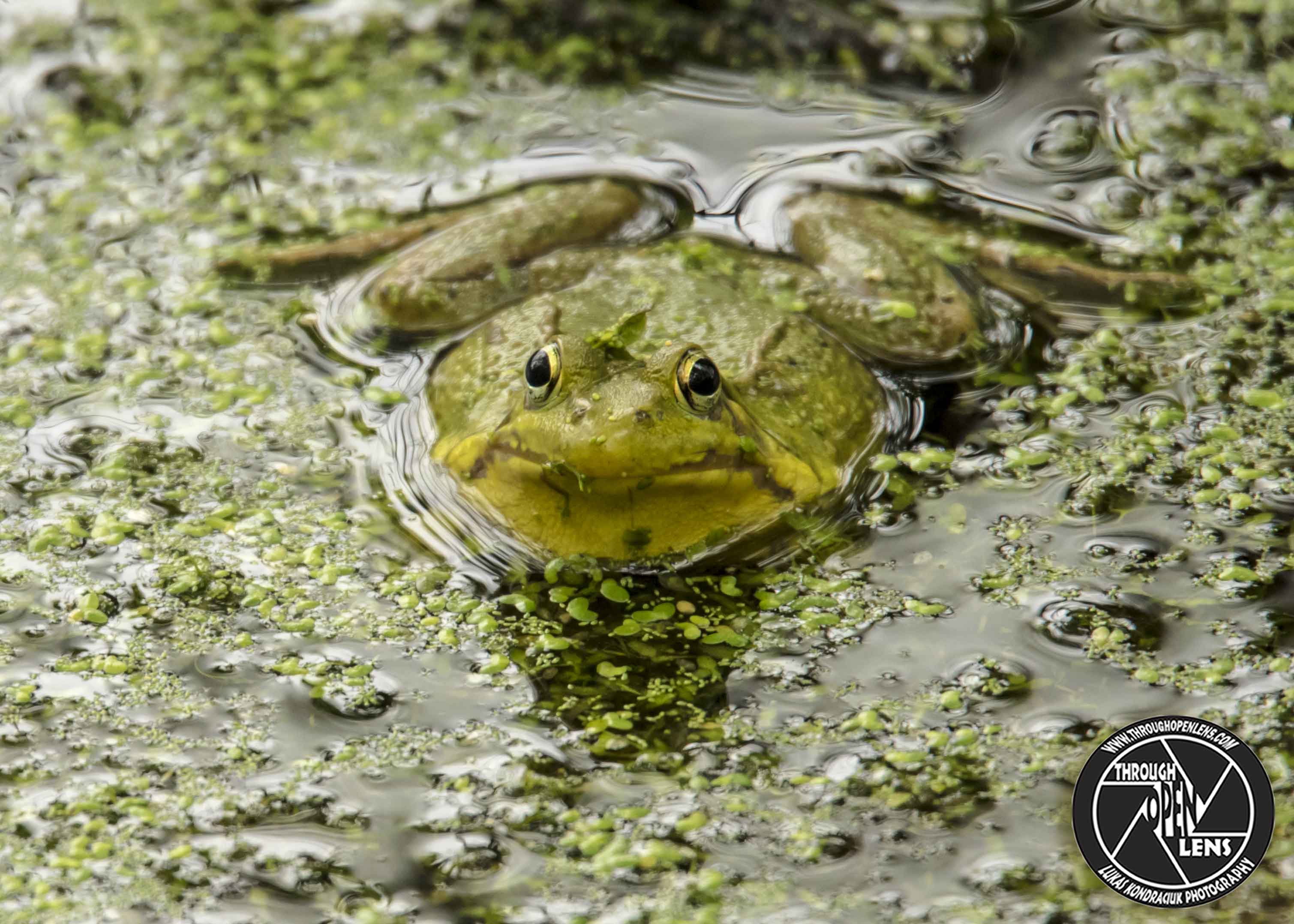
What? You Are Expecting A Prince Or Something?

F/6.3, 1/80, ISO 640.

Northern Green Frog

Why are frogs so happy?

They eat whatever bugs them!

Interesting Fact: The northern green frog dwells in marshes, swamps, ponds, lakes, springs, and other aquatic environment. It is active both day and night. ( https://en.wikipedia.org/wiki/Northern_green_frog )