I Enjoy Long Romantic Walks To The Fridge.

F/6.3, 1/100, ISO 250.

Wild Turkey

What did the lawyer name his daughter?

Sue.

Interesting Fact: The English name of the bird may be a holdover from early shipping routes that passed through the country of Turkey on their way to delivering the birds to European markets. ( https://www.allaboutbirds.org/guide/Wild_Turkey/lifehistory )
When Nothing Goes Right Just Go Fishing!

F/9.0, 1/320, ISO 250.

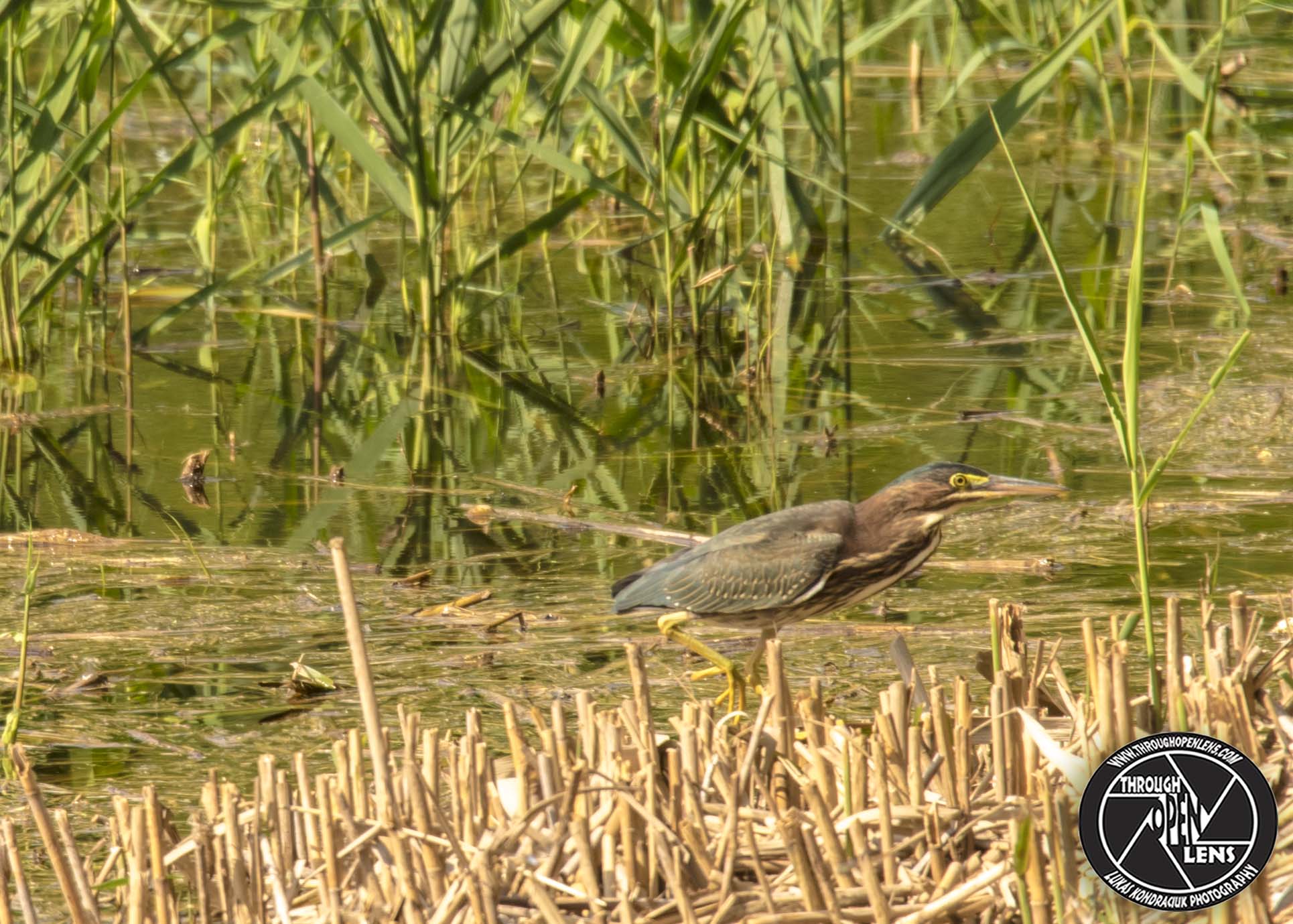
Green Heron

What is the difference between a cat and a dog?

Dogs think, “Humans are benevolent, they feed me and take care of me, so they must be Gods.”

Cats think, “Humans are benevolent, they feed me and take care of me, so I must be God.”

Interesting Fact: The Green Heron is part of a complex of small herons that sometimes are considered one species. When lumped, they are called Green-backed Heron. When split, they are the Green Heron, the widespread Striated Heron, and the Galapagos Heron. ( https://www.allaboutbirds.org/guide/Green_Heron/lifehistory )

Basic Maneuvers!

F/11.0, 1/500, ISO  320.

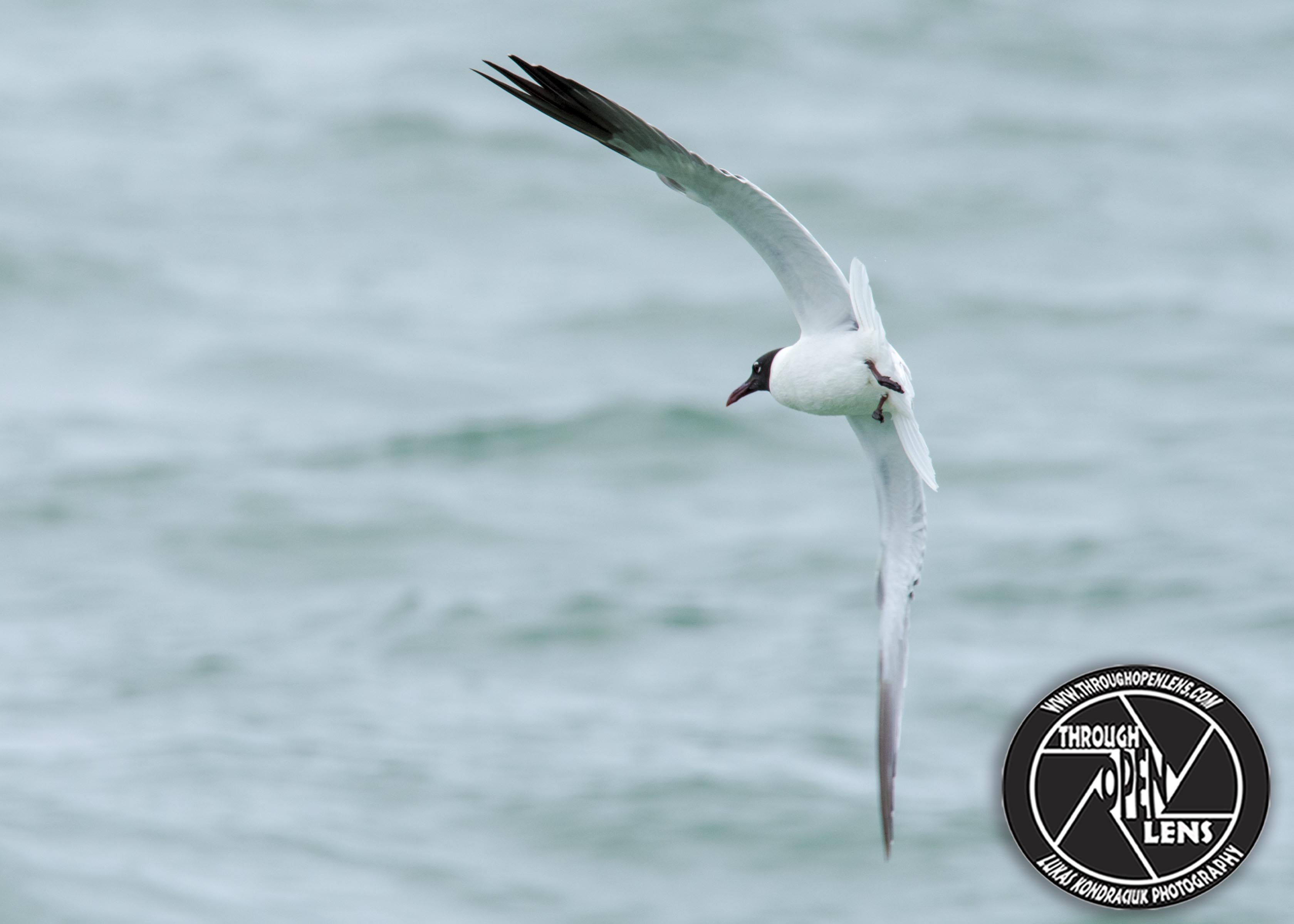
Laughing Gull

Why is a river rich?

It has banks on both sides.

Interesting Fact:  The adult Laughing Gull removes the eggshells from the nest after the eggs hatch. If the shells are not removed, a piece can become lodged on top of the slightly smaller unhatched third egg and prevent it from hatching. ( https://www.allaboutbirds.org/guide/Laughing_Gull/lifehistory )

Life Always Offers You A Second Chance. It’s Called Tomorrow.

F/10.0, 1/400, ISO 250.

Tree Swallow

What did one wall say to the other wall?

Meet you at the corner!

Interesting Fact:  Tree Swallows are highly social, forming large migratory and wintering flocks; and pairs often nest close together, particularly where nest boxes are numerous. Agile fliers, Tree Swallows tend to glide more than any other swallow species. They bathe by flying low over the water and skimming their bodies against the surface, then rising quickly while shaking off droplets. ( https://www.allaboutbirds.org/guide/Tree_Swallow/lifehistory )

Sometimes What You Looking For Comes When You’re Not Looking At All.

F/5.6, 1/2000, ISO 500.

Semipalmated Plover 

How do trees get online?

They just log on!

Interesting Fact: They are migratory and winter in coastal areas of the southern United States, the Caribbean and much of South America. They are extremely rare vagrants to western Europe, and have been found in Tierra del Fuego and the Isles of Scilly.[4] Their true status may be obscured by the difficulty in identifying them from the very similar ringed plover of Eurasia, of which it was formerly considered a subspecies. ( https://en.wikipedia.org/wiki/Semipalmated_plover )


Good Times And Crazy Friends Make The Best Memories.

F/5.6, 1/3200, ISO 1000. d700

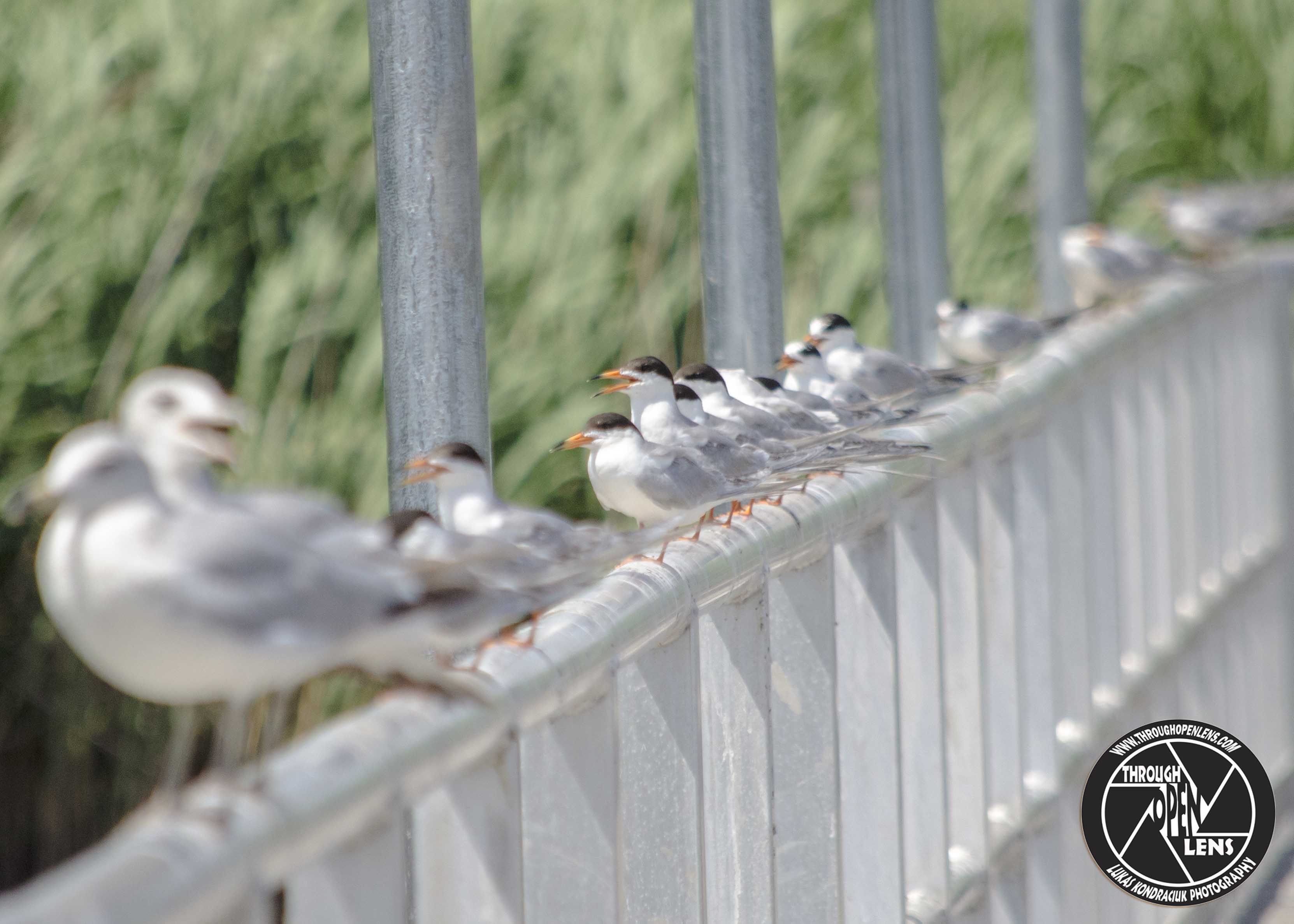
Common Terns 

Did you hear the rumor about butter?

Everyone’s spreading it.

Interesting Fact: Common Terns nest in colonies on the ground in areas with loose sand, gravel, shell, or cobble pebbles typically less than 350 feet from the water. They tend to choose areas with scattered, low-growing vegetation to provide cover for chicks. ( https://www.allaboutbirds.org/guide/Common_Tern/lifehistory )


Keep Off My Grass!

F/8.0, 1/250, ISO 400.

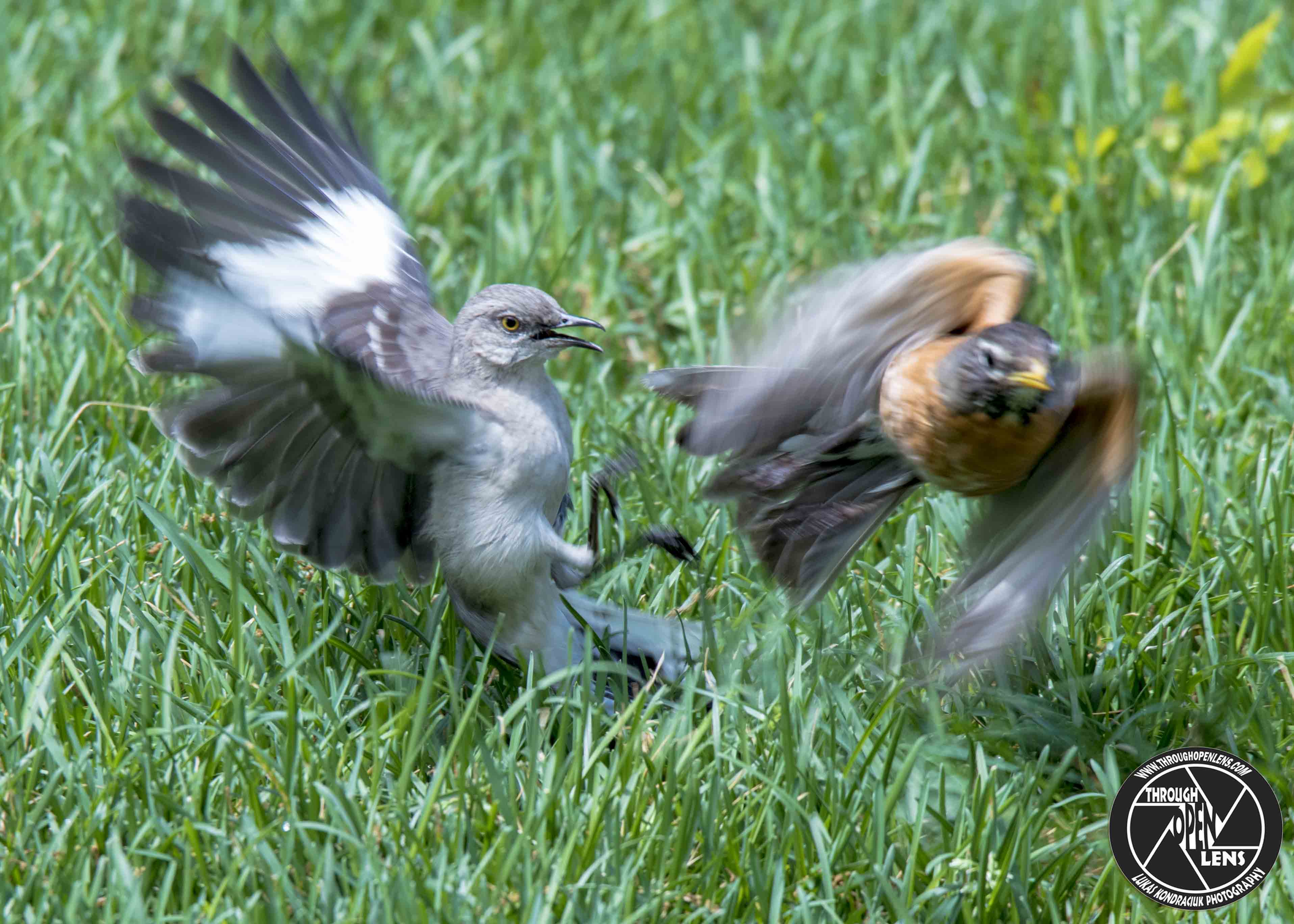
Northern Mockingbird vs American Robin

Why should you keep away from dermatologists?

They make rash decisions.

Interesting Fact: Mockingbirds are also territorial around other bird species as well as dogs and cats. The flight style of mockingbirds is variable but typically leisurely, with showy wingbeats. Sometimes Northern Mockingbirds simply drop quickly from a perch with their wings folded. ( https://www.allaboutbirds.org/guide/Northern_Mockingbird/lifehistory# )


Family Are Like Fudge… Mostly Sweet With A Few Nuts.

F/6.3, 1/160, ISO 100.

Canada Goose and Goslings 

What did the baby corn say to the mama corn?

Where’s POP corn?

Interesting Fact: During spring, pairs break out from flocks and begin defending territories. Spacing of these pairs is variable and depends on availability of nest sites and population density; where population is large, even after a great many fights birds may end up nesting in view of one another, and some populations are semi-colonial. ( https://www.allaboutbirds.org/guide/Canada_Goose/lifehistory )

I Think We Have A Problem!

F/10.0, 1/400, ISO 250.

Snowy Egret

When is a door sweet and tasty?

When its jammed!

Interesting Fact: The male starts working on a nest before finding a mate. Then the female takes over and ends up doing most of the nest building, with materials supplied by the male. The nest is a shallow oval of loosely woven twigs, small sticks, grasses, sedges, rushes, and Spanish moss, about 14–18 inches across and 8–13 inches high. ( https://www.allaboutbirds.org/guide/Snowy_Egret/lifehistory )

Just Sitting Here On The Corner Of Awesome And Bombdiggity.

F/8.0, 1/125, ISO 100.

Peregrine Falcon

Why did Mickey Mouse go to space?

To visit Pluto.

Interesting Fact: The Peregrine Falcon is one of the most widespread birds in the world. It is found on all continents except Antarctica, and on many oceanic islands. ( https://www.allaboutbirds.org/guide/Peregrine_Falcon/lifehistory )