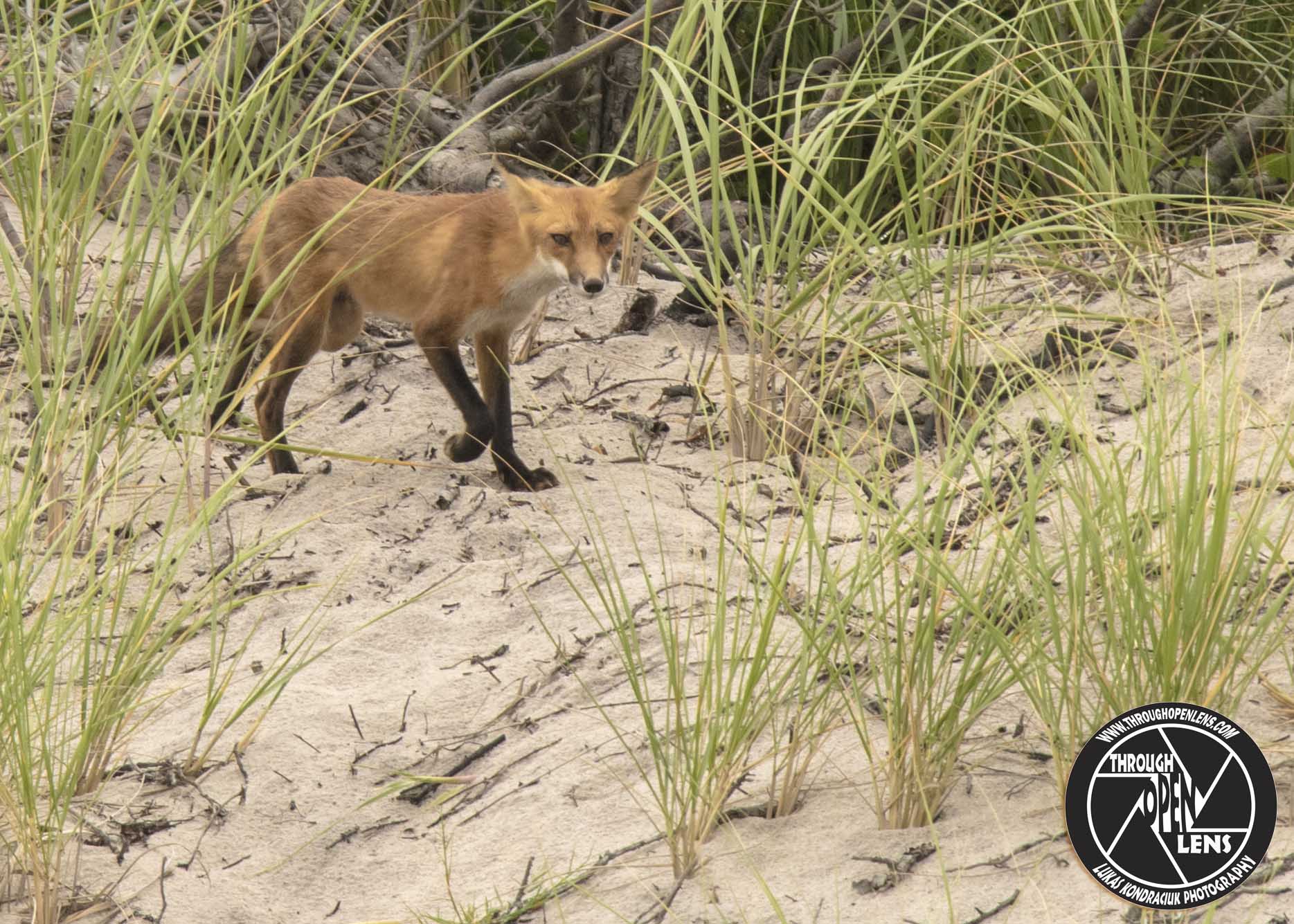
Oh For Fox Sake!

F/10.0, 1/400, ISO 500.

Red Fox

A chicken and an egg are having sex.

The chicken rolls off the egg and says, “I guess that answers that question.”

Interesting Fact: Foxes also signal each other by making scent posts—urinating on trees or rocks to announce their presence. ( https://www.nationalgeographic.com/animals/mammals/r/red-fox/ )

Sometimes Sitting Still Is The Best Move You Can Make.

F/6.3, 1/160, ISO 160.

Prairie Falcon

What do you get when you put a candle in a suit of armor?

A knight light.

Interesting Fact: Prairie Falcons are among the species of birds that seem to play—they’ve been seen dropping dried cow manure in midair and then diving to catch it. Like young ball players flipping a baseball to themselves, this may be a way to sharpen their coordination skills. ( https://www.allaboutbirds.org/guide/Prairie_Falcon/overview )

Are You Looking At Me?!

F/5.6, 1/80, ISO 320.

California Scrub-Jay

How did the barber win the race?

He knew a short cut.

Interesting Fact: You might see California Scrub-Jays standing on the back of a mule deer. They’re eating ticks and other parasites. The deer seem to appreciate the help, often standing still and holding up their ears to give the jays access. ( https://www.allaboutbirds.org/guide/California_Scrub-Jay/overview )

Cliffhanger!

F/9.0, 1/320, ISO 160.

Green Heron

Why did the soccer player bring string to the game?

So he could tie the score.

Interesting Fact: The oldest Green Heron on record was at least 7 years, 11 months old when it was found in Mexico in 1979. It had been banded in Oklahoma in 1971. ( https://www.allaboutbirds.org/guide/Green_Heron )

Don’t Let Anyone Bring You Down. Make Today The Best Day Of Your Life.

F/7.1, 1/200, ISO 400.

Northern Flicker

Why are frogs always so happy?

They eat what ever bugs them.

Interesting Fact: Northern Flickers generally nest in holes in trees like other woodpeckers. Occasionally, they’ve been found nesting in old, earthen burrows vacated by Belted Kingfishers or Bank Swallows. ( https://www.allaboutbirds.org/guide/Northern_Flicker/overview )

Duck You Sucker

F/8.0, 1/250, ISO 200.

Wood Duck

A really big drunk walked into a bar and, after staring for some time at the only woman seated at the bar, walked over to her and kissed her.

She jumped up and slapped him silly.

He immediately apologized and explained, “I’m sorry. I thought you were my wife. You look exactly like her.”

“Why you worthless, insufferable, wretched, no good drunk!” she screamed.

“Funny,” he muttered, “you even sound exactly like her.”

Interesting Fact: Wood Ducks seem to fare best when open water alternates with 50–75% vegetative cover that the ducks can hide and forage in. This cover can consist of downed trees, shrubs such as alder, willow, and buttonbush, as well as emergent herbaceous plants such as arrowhead and smartweeds. ( https://www.allaboutbirds.org/guide/Wood_Duck/lifehistory )

Being Unique Is Better… Then Being Perfect.

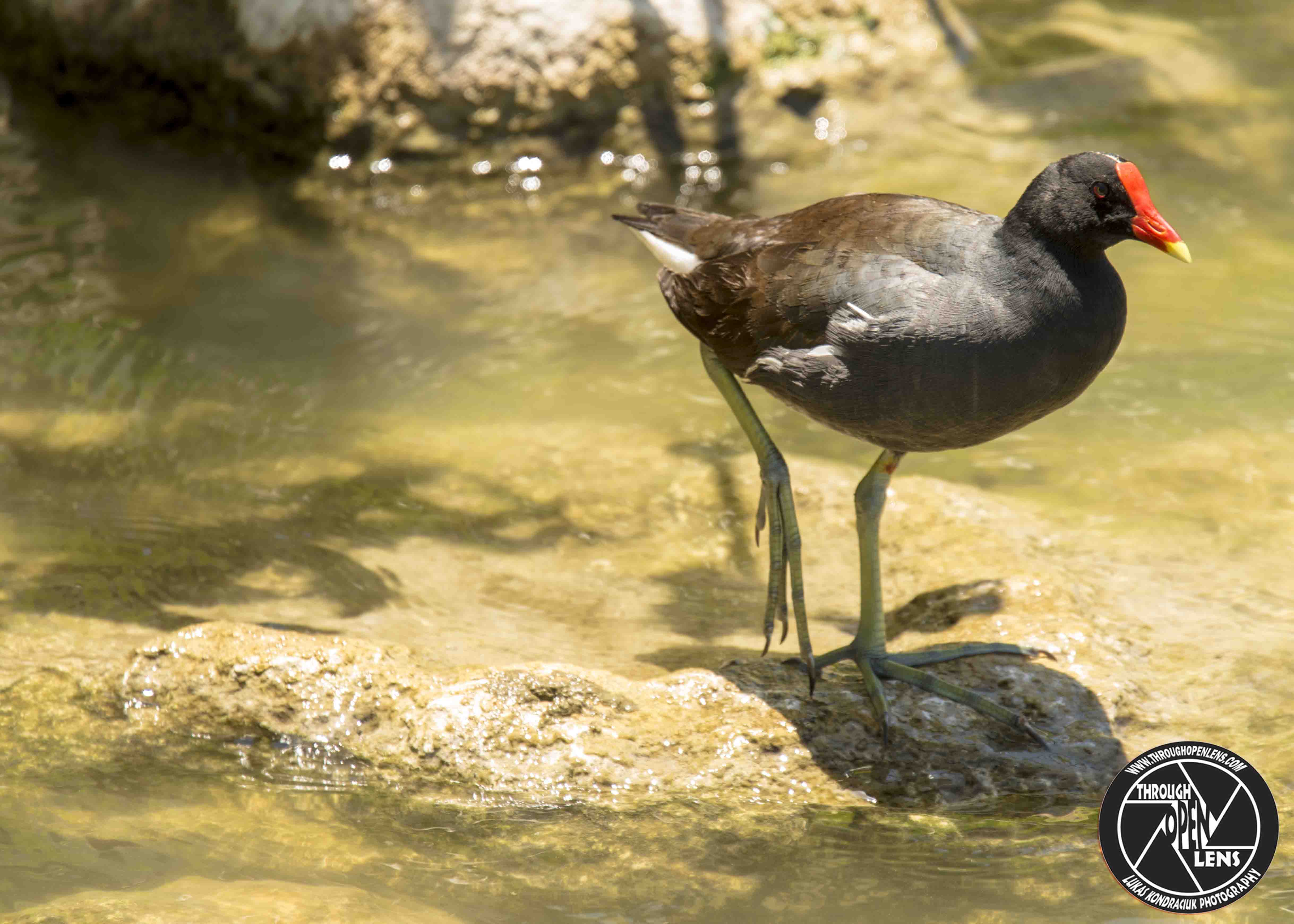
F/7.1, 1/200, ISO 160.

Common Gallinule

Why shouldn’t you marry a tennis player?

Because love means nothing to them!

Interesting Fact: The Common Gallinule has long toes that make it possible to walk on soft mud and floating vegetation. The toes have no lobes or webbing to help with swimming, but the gallinule is a good swimmer anyway. ( https://www.allaboutbirds.org/guide/Common_Gallinule )

The Key To Eating Healthy Is To Avoid Any Food That Has TV Commercial.

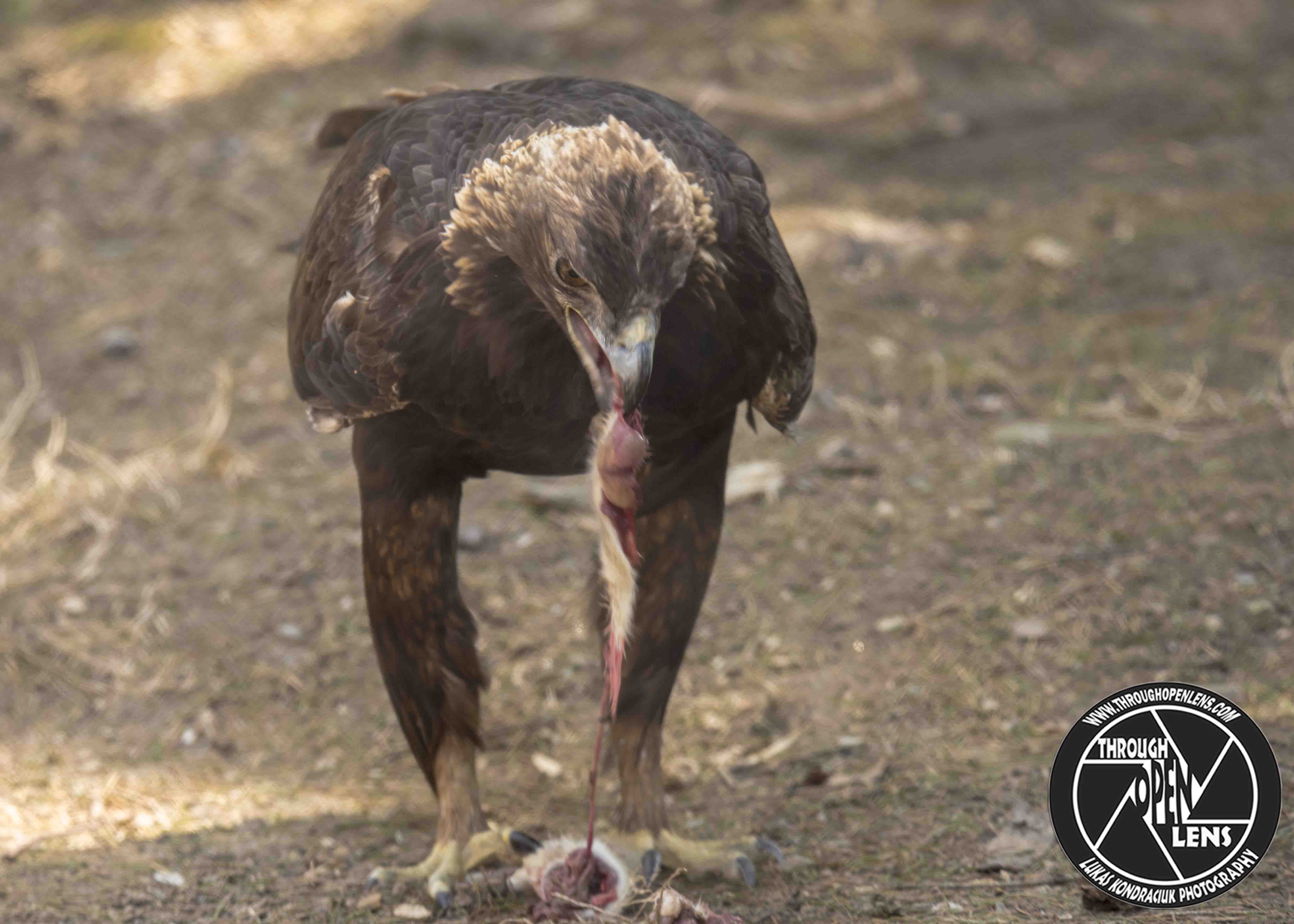
F/6.0, 1/125, ISO 640.

Golden Eagle

What do you get when you cross fish and an elephant?

Swimming trunks.

Interesting Fact: Although capable of killing large prey such as cranes, wild ungulates, and domestic livestock, the Golden Eagle subsists primarily on rabbits, hares, ground squirrels, and prairie dogs. ( https://www.allaboutbirds.org/guide/Golden_Eagle/overview )

Finally! Spring Is Here!

F/6.3, 1/160, ISO 320.

Northern Cardinal ( Female )

What season is it best to go on a trampoline?

Spring time

Interesting Fact: The brilliant red of a male Northern Cardinal calls attention to itself when males are around. You can also find cardinals by getting a sense of the warm, red-tinged brown of females – a pattern you can learn to identify in flight. Away from backyards, cardinals are still common but inconspicuous owing to their affinity for dense tangles. Listen for their piercing chip notes to find where they are hiding. ( https://www.allaboutbirds.org/guide/Northern_Cardinal/overview  )

You Surprised Me Like A Shart.

F/6.3, 1/500, ISO 220.

Hooded Merganser ( Female )

Why is chicken soccer match a bad idea?

There are too many fowls.

Interesting Fact: Hooded Merganser ducklings leave their nest cavity within 24 hours of hatching. First, their mother checks the area around the nest and calls to the nestlings from ground level. From inside the nest, the little fluffballs scramble up to the entrance hole and then flutter to the ground, which may be 50 feet or more below them. In some cases they have to walk half a mile or more with their mother to the nearest body of water. ( Hooded Merganser Overview, All About Birds, Cornell Lab of Ornithology )