So Do You Think That Worm Will Come Out Soon?

F/7.1, 1/200, ISO 400.

Wild Turkeys

What’s the opposite of Dominoes?

Domi doesnt know.

Interesting Fact: They usually roost in flocks, but sometimes individually. Courting males gobble to attract females and warn competing males. They display for females by strutting with their tails fanned, wings lowered, while making nonvocal hums and chump sounds.  ( https://www.allaboutbirds.org/guide/Wild_Turkey/lifehistory )


I Think We’re Going To Need A Bigger Rock!

F/5.6, 1/500, ISO 200.

American Black Ducks ( Juveniles )

Why can’t you trust an atom?

Because they make up everything.

Interesting Fact:  Normally found in eastern North America, American Black Ducks occasionally show up on the West Coast, Europe, and even Asia. Some of these birds may be escaped pets, but others are known to be wild ducks: for instance, one female banded in New Brunswick, Canada, turned up later in France. ( https://www.allaboutbirds.org/guide/American_Black_Duck/lifehistory )


Yes I Walked Away Mid-Conversation. You Were Boring Me To Death And My Survival Instincts Kicked In.

F/11.0, 1/500, ISO 400.

Great Blue Heron 

What happened when the lion ate the comedian?

He felt funny!

Interesting Fact: Great Blue Herons can hunt day and night thanks to a high percentage of rod-type photoreceptors in their eyes that improve their night vision. ( https://www.allaboutbirds.org/guide/Great_Blue_Heron )


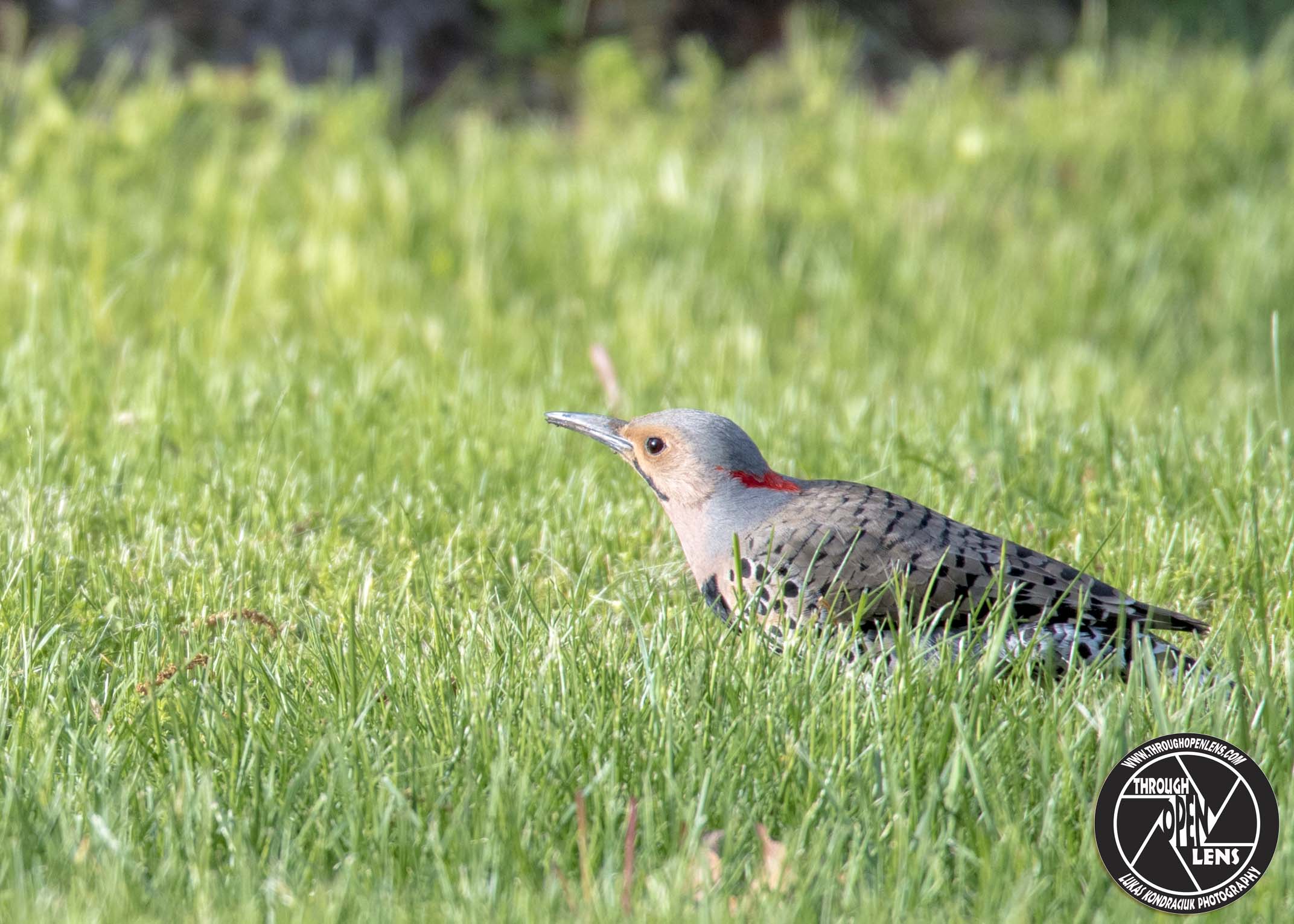
Shh… I’m Hiding From Negative People.

F/8.0, 1/250, ISO 320.

Northern Flicker 

What did the math text book say to the Shakespeare text book?

I’ve already got a lot of problems, and I don’t need any of your drama.

Interesting Fact: Although it can climb up the trunks of trees and hammer on wood like other woodpeckers, the Northern Flicker prefers to find food on the ground. Ants are its main food, and the flicker digs in the dirt to find them. It uses its long barbed tongue to lap up the ants. ( https://www.allaboutbirds.org/guide/Northern_Flicker/ )


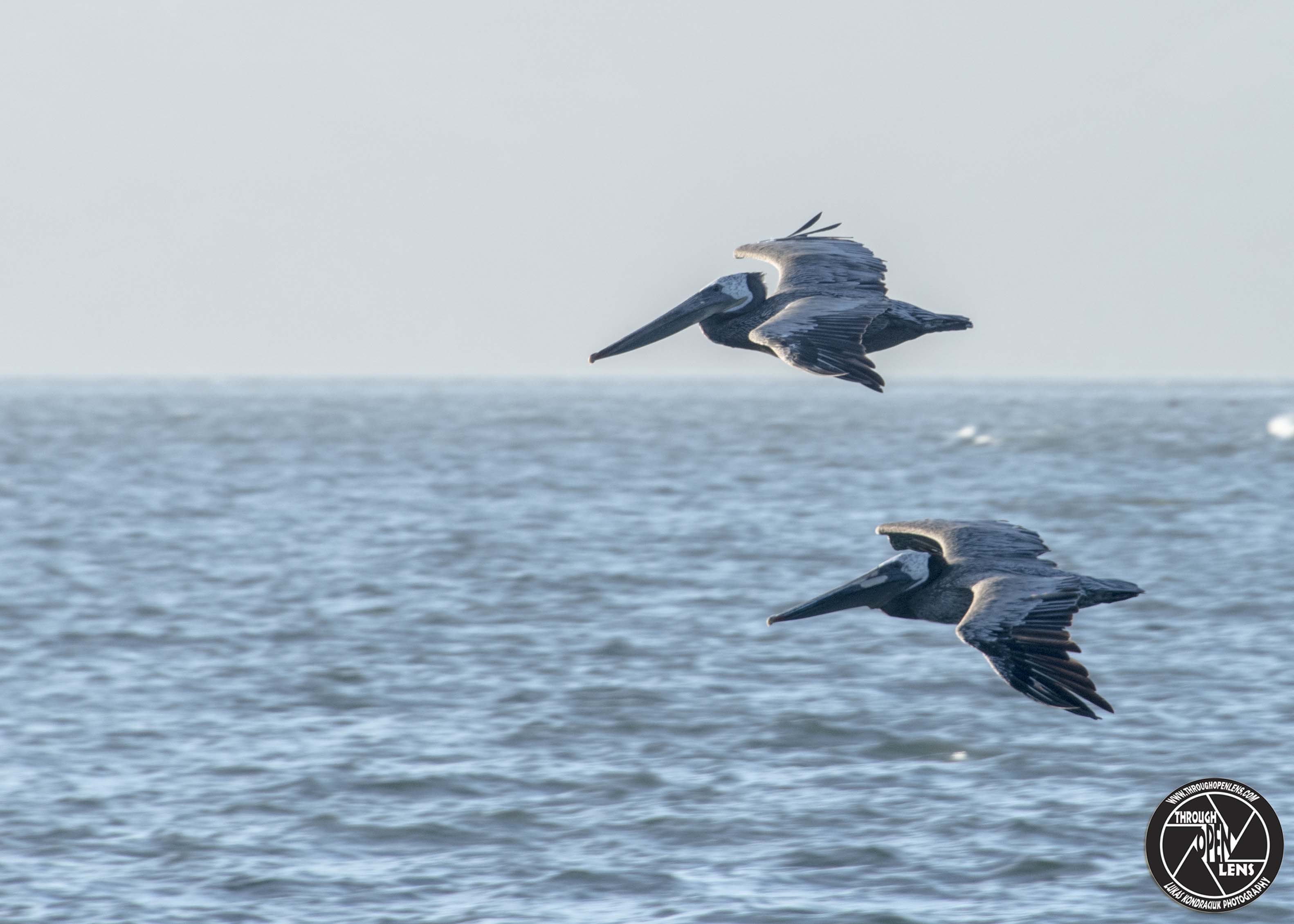
You Never Leave Your Wingman!

F/ 9.0, 1/320, ISO 250.

Brown Pelicans 

Why does Piglet smell so bad?

Because he plays with Pooh.

Interesting Fact: Pelicans usually feed above estuaries and shallow ocean waters within 12 miles of shore, but sometimes venture over the deeper waters past the narrow continental shelf of the Pacific coast. They occasionally feed by sitting on the surface and seizing prey with their bills, like other pelican species, usually when a dense school of fish is close to the surface and the water is too shallow and muddy to plunge. They also steal food from other seabirds, scavenge dead animals, and eat invertebrates such as prawns. ( https://www.allaboutbirds.org/guide/Brown_Pelican/lifehistory )

When Someone Yells STOP I Don’t Know Whether It’s In The Name Of Love, It’s Hammer Time, Or I Should Smell The Flowers.

F/5.3, 1/800, ISO 320.

Anna’s Hummingbird ( Female )

How do angels greet each other?

They say Halo

Interesting Fact: Anna’s Hummingbirds normally have a body temperature of around 107 degrees Fahrenheit—that’s a scorching temperature for a human. When outside temperatures fall, Anna’s and many other species of hummingbirds enter torpor. Their breathing and heart rate slow, and their body temperature can fall as low as 48 degrees Fahrenheit. When the temperature warms, the hummingbirds can become active again in a few minutes. ( https://www.allaboutbirds.org/guide/Annas_Hummingbird/ )


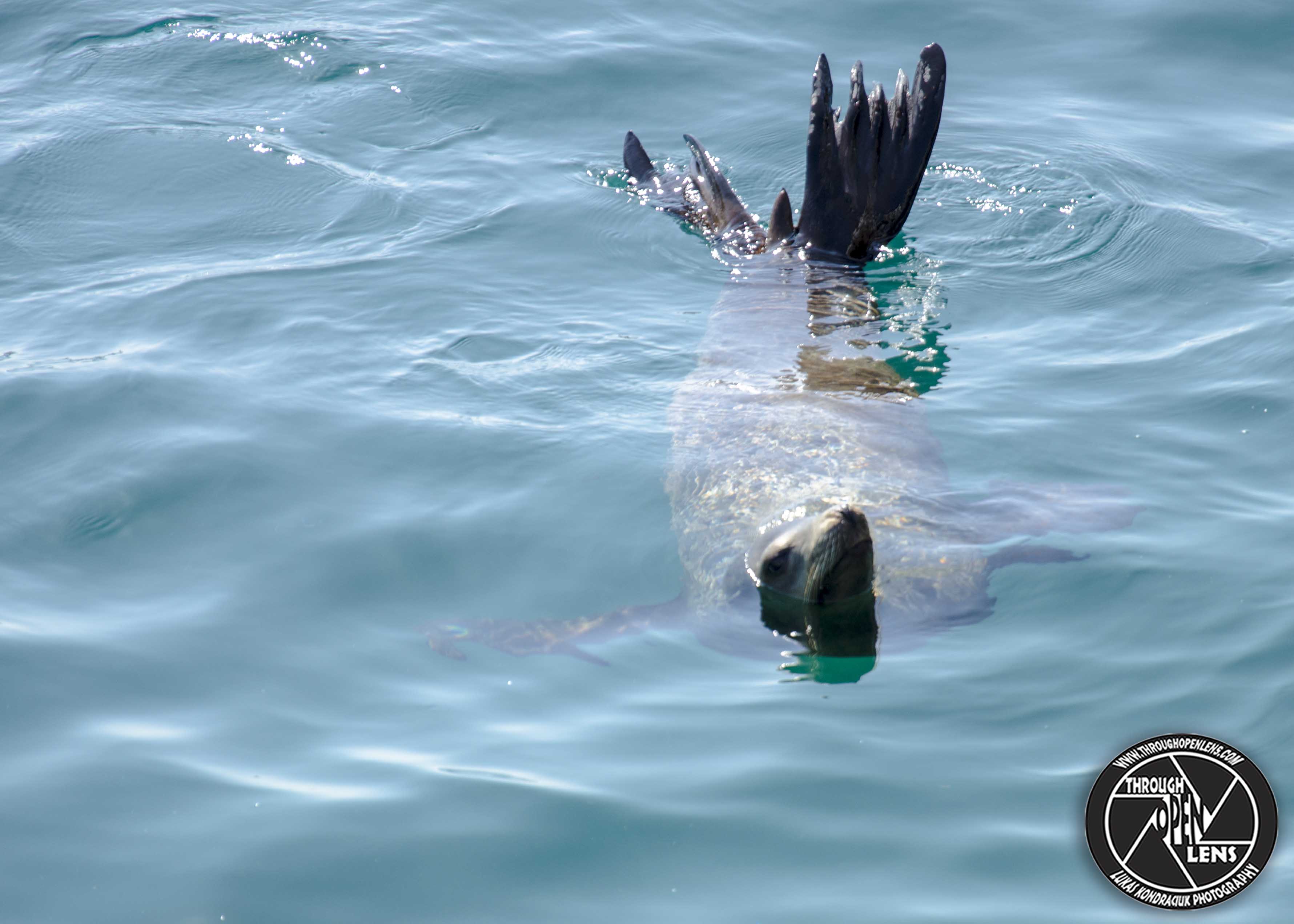
Just Smile And Wave!

F/5.6, 1/320, ISO 100.

California Sea Lion 

Why do sea lions go to Tupperware parties?

To find a tight seal!

Interesting Fact: When diving deep, California sea lions slow their heart rates to allow them to remain underwater for nearly ten minutes before surfacing to breathe. This ability gives them an edge in the pursuit of the fish, squid, and shellfish that make up their primary diet. ( http://www.nationalgeographic.com/animals/mammals/c/california-sea-lion/ )

Ehh, What’s Up Doc?

F/6.3, 1/160, ISO 640.

Eastern Cottontail Rabbit

What did the rabbit give his girlfriend?

A 14 carrot ring!

Interesting Fact: There are several species of cottontail rabbit, but the eastern cottontail is the most common. This ubiquitous animal can be found from Canada to South America and, in the United States, from the East Coast to the Great Plains. Cottontails range from reddish brown to gray, but all feature the distinctive “cotton ball” tail for which they are named. ( http://www.nationalgeographic.com/animals/mammals/e/eastern-cottontail-rabbit/ )

Double Take!

F/8.0, 1/250, ISO 250.

White-Cheeked Pintail

What kind of water do you put into a waterbed?

Spring water.

Interesting Fact: It is found in the CaribbeanSouth America, and the Galápagos Islands.[4] It occurs on waters with some salinity, such as brackish lakes, estuaries and mangrove swamps. ( https://en.wikipedia.org/wiki/White-cheeked_pintail )

Welcome To The Jungle We Got Fun And Games!

F/9.0, 1/320, ISO 800.

Hispaniolan Amazon Parrots

What is a mattress’ favorite season?

Spring.

Interesting Fact: Its natural habitats are subtropical or tropical dry forestsubtropical or tropical moist lowland forest, subtropical or tropical moist montane forest, and plantations. It is threatened in its home range by habitat loss and the capture of individuals for the pet trade. ( https://en.wikipedia.org/wiki/Hispaniolan_amazon )